Bachelor of Arts in
Communication

The Bachelor of Arts in Communication program aims to develop in students a comprehensive understanding of the nature, background, and application of communication. The curriculum is crafted to train students in the planning, design, and production of multimedia products. Knowledge and skills are imparted to students through a variety of channels, encompassing both legacy and new media. Relevant experiences are also provided on the dynamics of interpersonal and group communications, public relations, advertising, marketing, and information and communication technology (ICT).
In line with Miriam College’s thrust to mentor leaders in service, students are also prepared for their entry into the practical world of developmental communication, where they are expected to contribute meaningfully to community-building and social understanding through participatory and collaborative undertakings.
The degree program aims to develop students to become effective communicators and practitioners of Miriam College’s core values. Graduates are expected to be technically competent and ready for the demands of the field, where their skills in communication management, consensus-building, multi-media production and presentations, and multicultural and community organization can be put to good use.
Program Outcomes
By the end of the program, graduates will be able to
Program Outcomes | Performance Indicators |
1. Define and access information needs; assess and organize information and knowledge; produce, share, and utilize information and knowledge | Efficient accessing and gathering of need-based, accurate, authentic, and reliable information through print, broadcast, and online sources, research, and other investigative techniques; Skillful selection, analysis, organization, and presentation of essential information in the development and production of print, broadcast, and online stories; and Appropriate and responsible sharing and use of information and knowledge generated from different sources |
2. Communication in different formats and platforms (print, broadcast, and online) | Clear and effective writing for different formats and platforms; Clear, fluent, and engaging delivery of speeches, broadcast news and commentaries, and other oral presentations; and Effective and responsible use of non-verbal cues, pictures, graphics, and images in oral and online communication |
3. Prepare communication/media plan | Evidence-based situational analysis; Audience-specific communication objectives and strategies; and Concrete monitoring and evaluation indicators. |
4. Conduct communication and media research and evaluation | Comprehensive literature review and exhaustive research; Appropriate research or evaluation framework; and Sound research or evaluation design |
5. Develop and produce communication materials in different formats and platforms | Creative and innovative conceptualization and design of audience-specific communication materials; Skillful and responsible use of relevant technical equipment software; and Skillful use of gender and culture-sensitive and politically correct language in message development |
6. Demonstrate communication management and leadership skills | Efficient and effective use of resources; Sound design of communication programs and projects; and Competent use of planning, monitoring, and evaluation (controlling) tools |
7. Develop entrepreneurial capabilities | Skillful business analysis and identification of communication- driven business opportunities; Innovative and creative engagement in business ventures; and Effective use of marketing communication strategies |
8. Adhere to ethical standards and practices | Strong foundation in moral philosophy and ethical system; Clear understanding of professional codes of conduct , standards, and practices; and Ethical in making choices and decisions professionally |
9. Know and practice rights, responsibilities, and accountabilities in the communication profession | Clear understanding of freedom, rights, and responsibilities; Observance of communication media laws; and Clear understanding of the role of media in a democratic society |
10. Demonstrate development orientation in communication work | Clear understanding of local, national, and global development issues and agenda; Clear understanding of development theories and paradigms; and Deft integration of development issues and concerns in communication projects. |
11. Apply communication theories/models, principles, practices, and tools in development work | Skillful use of participatory strategies in planning, implementing, and evaluating communication programs; and Skillful use of communication strategies in mediation, negotiation, and resolution |
Key Competencies Developed
By the end of the program, graduates will be able to develop the following key competencies:
The ability to effectively communicate with the assurance that the intended message has reached the intended receiver and that they understood it;
The ability to write confidently using appropriate words, form, and style of writing, depending on the demand and/or need;
The ability to be flexible with the available technology and to choose the most effective tools depending on the output given;
The ability to integrate concepts, theories, applications, and to fuse different subject matters that may be related to each other, and which may be deemed useful and necessary;
The ability to go deeper and look for more meaningful areas that can be further improved or enhanced;
Students speak the truth, promote and denounce violence, are just in words and deeds, and help preserve God’s creation;
They believe in equal opportunities, are analytical of gender portrayals in various media platforms, and practice the fair portrayal of gender identities, and champion their right to education.
These competencies can be assessed through a variety of methods, including the following:
- First-Year Students:
a. Identification and description of the various media platforms and communication-related industries through reports and essays;
b. Effectively convey and discuss ideas through high-touch and high-tech presentations.
- Second-Year Students:
a. Identification and discussion of the communication theories and cultural issues through reports, presentations, and analytical papers;
b. Development and pitching of storylines and selling points with themes and strategies that resonate with various audiences and age groups for advertising, public relations, and theater production.
- Third-Year Students:
a. Draft scripts;
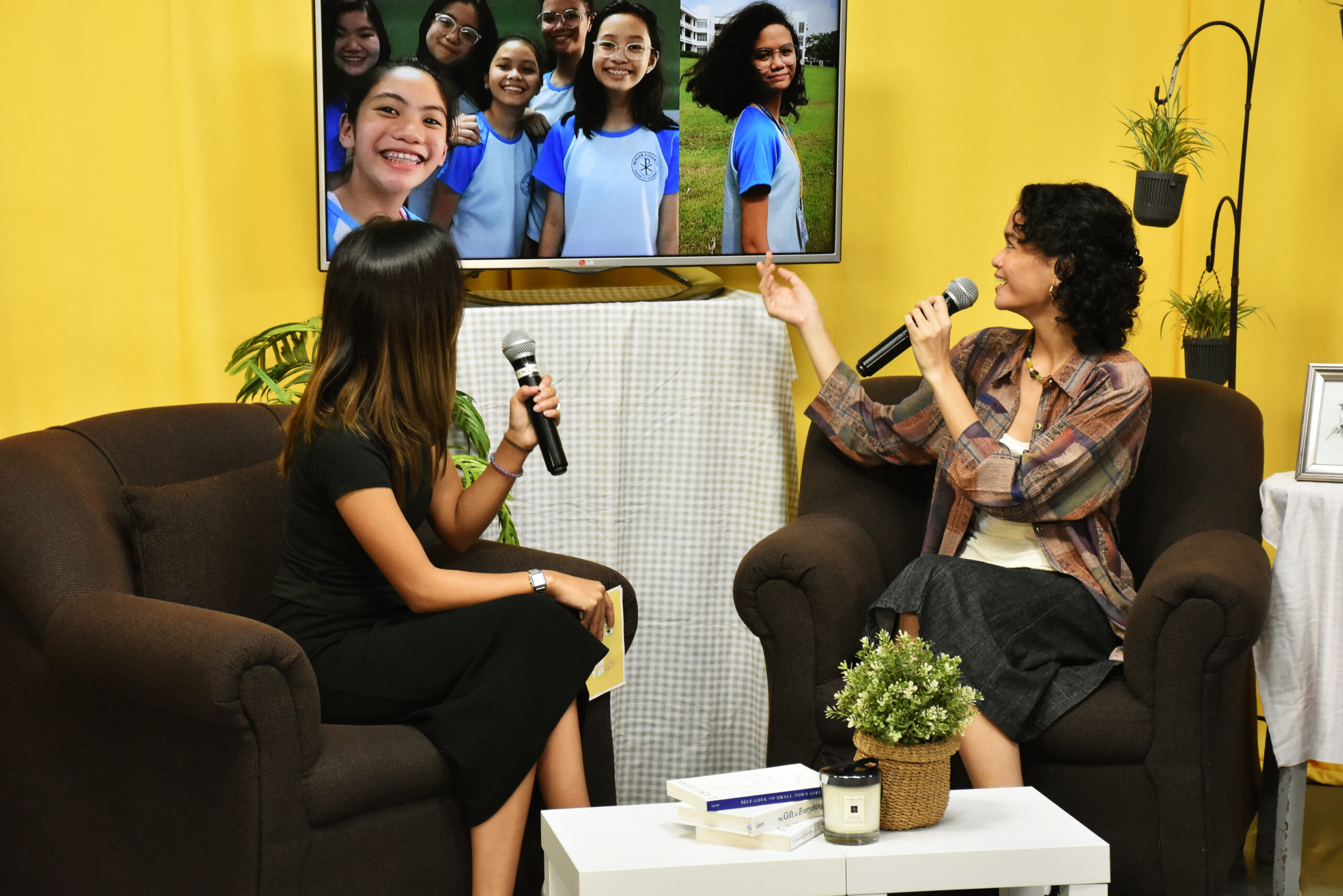
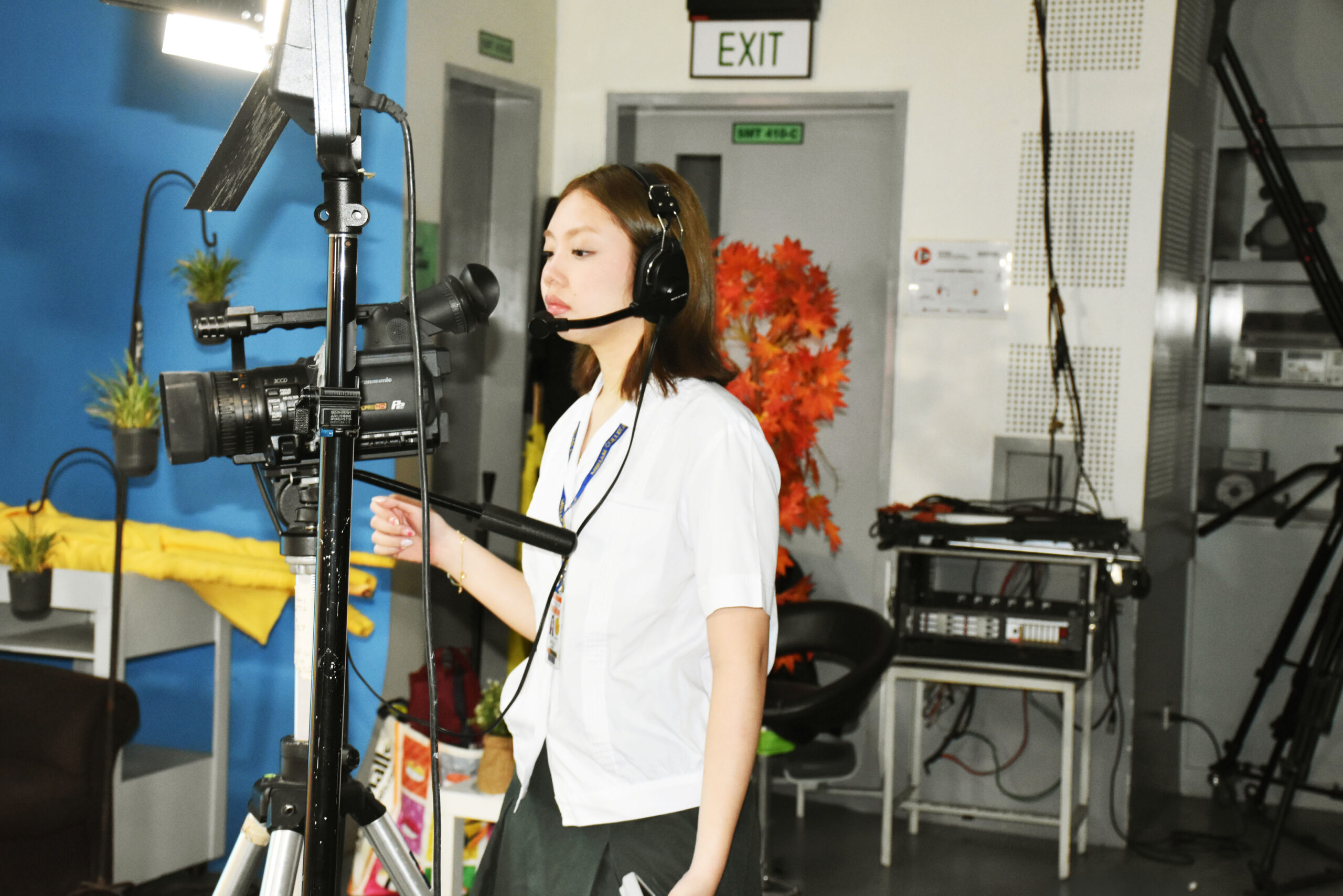
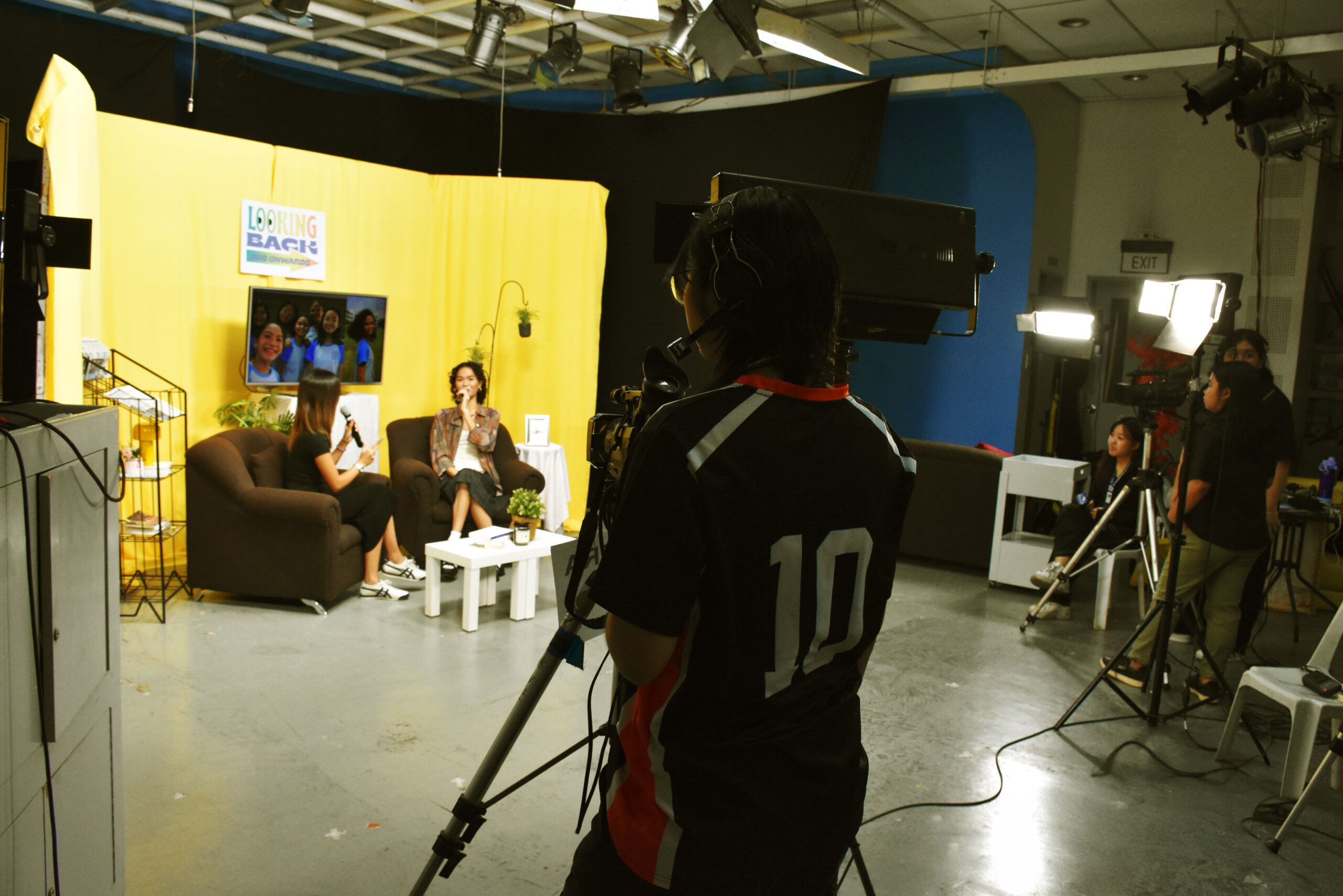
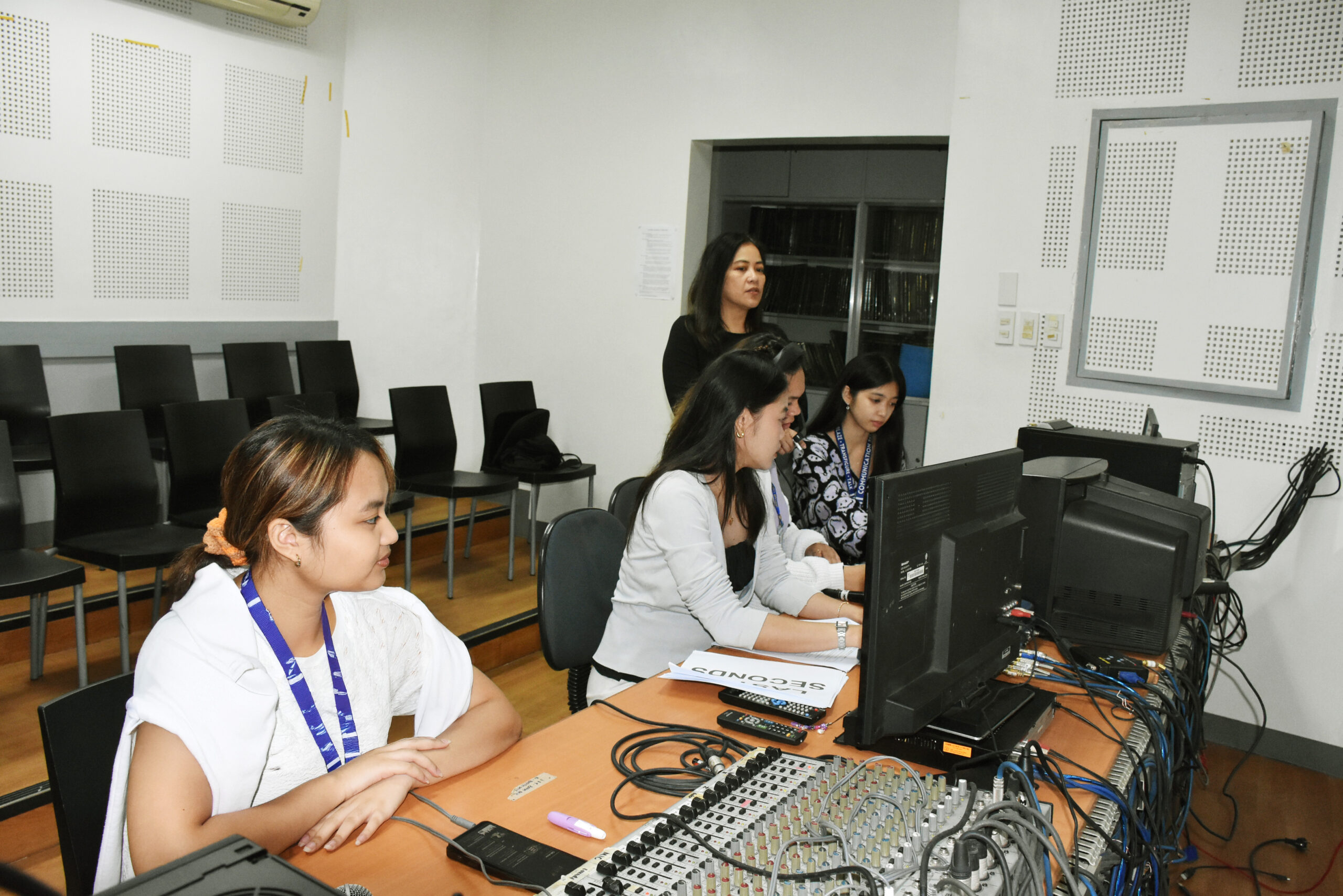
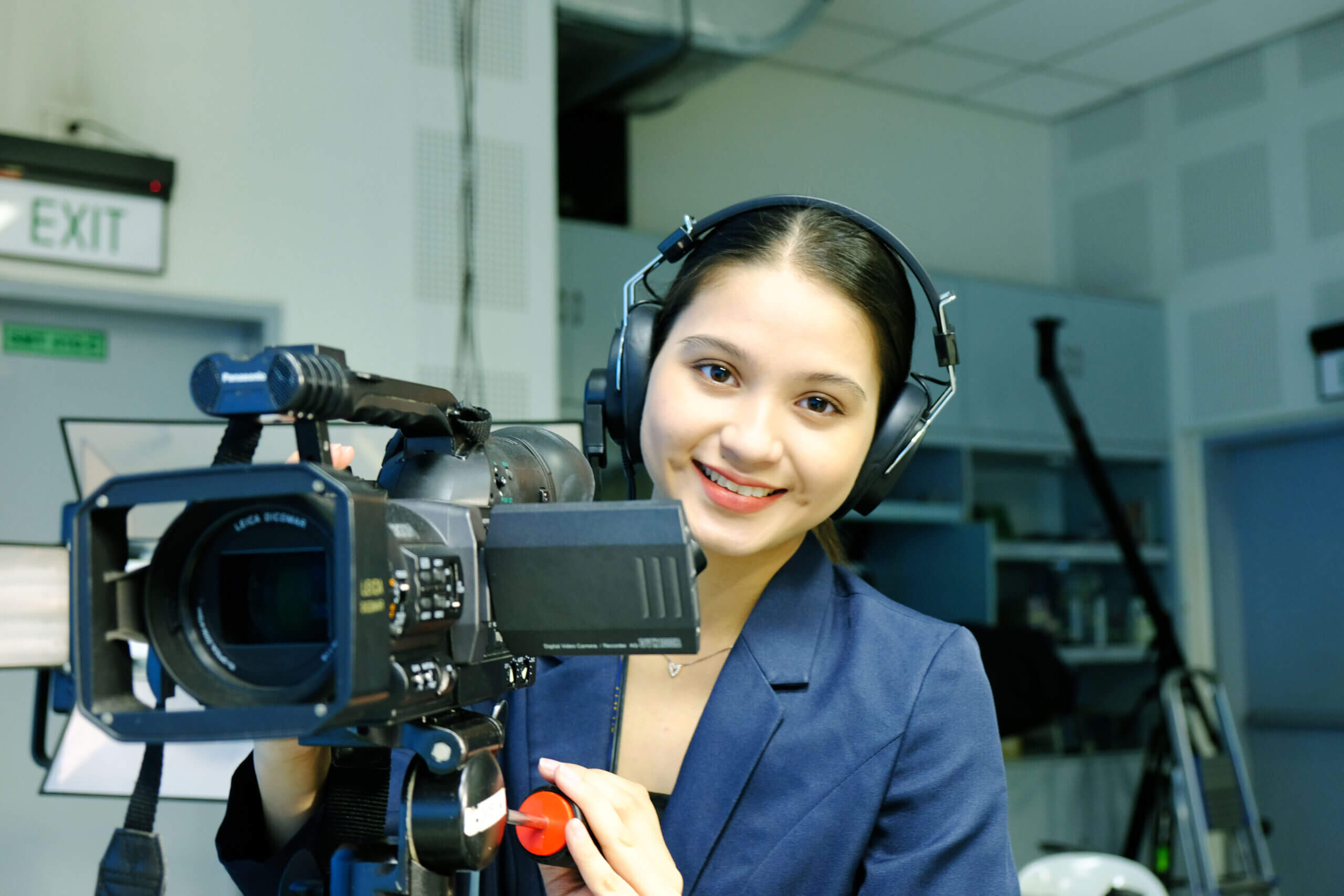
b. Successfully produce meaningful content for the radio/audio and the television/video platform (i.e., drama, advertisement, news report, podcast, talk show, variety show);
c. Produce a film that illustrates the core values of Miriam College following a given genre (i.e., comedy, drama, rom-com, thriller, slice-of-life);
d. Draft and execute a communication for a development plan that shall help a community in need of knowledge, attitude, or behavior change;
e. Evaluate and draft integrated marketing communication plans for brands/products;
f. Present a thesis proposal that addresses a communication- and/or media-related issue/problem.
- Fourth-Year Students:
a. Present and discuss the findings and conclusions of the thesis;
b. Propose a communication- or media-related enterprise following the project proposal format;
c. Draft a communication plan/strategy that addresses knowledge and information gaps related to disaster and risk reduction.
Total Program Units: 158 units
General Education: 65
BACOM Core Courses: 81
BACOM (Digital Media Production or Integrated Marketing Communication) Electives: 12
Standard Completion Time: 4 years
CHED Center for Development
The Department of Communication is designated as a Center for Development by the Commission on Higher Education (CHED). More Information >
Accreditation
This program has Level IV accreditation from the Philippine Accrediting Association of Schools, Colleges, and Universities (PAASCU). More Information >
Potential Careers:

Graduates of this program may venture on the following careers:
- Journalist
- Broadcaster (Radio or Television)
- Filmmaker
- Entrepreneur
- Events Manager/Organizer
- Advertiser (Creatives/Copywriter/Accounts Executive)
- Marketing Associate
- Public Relations Officer
- Communication for Development Officer
- Researcher
- Content creator
- Editor
- Educator
- Producer
- Writer
CURRICULUM SUMMARY
Courses | Units |
General Education Courses | 27 |
| |
General Education Elective Courses | 9 |
| |
National Service Training Program | 6 |
| |
Physical Activity Towards Health and Fitness Courses | 8 |
| |
MC Required Courses | 6 |
| |
Core Courses | 21 |
| |
CHED Required Courses | 9 |
| |
Professional Courses | 27 |
| |
Foreign Language (choose only one) | 6 |
● Korean ● Mandarin ● Nihongo ● Spanish | |
Elective Courses (CHED-Mandated covering Arts & Humanities, Social Sciences & Philosophy) | 18 |
| |
Elective Courses (choose one bundle) | 12 |
Integrated Marketing Communication (choose 4 only)
Digital Media Production (choose 4 only)
| |
Capstone Course/Thesis/Dissertation | 6 |
● BACOM 115.1 – Thesis I – Proposal ● BACOM 115.2 – Thesis II – Defense and Final Evaluation | |
Practicum | 3 |
● BACOM 114 – Internship |
|
Total Number of Units | 158 |
Activities
Meet the Faculty
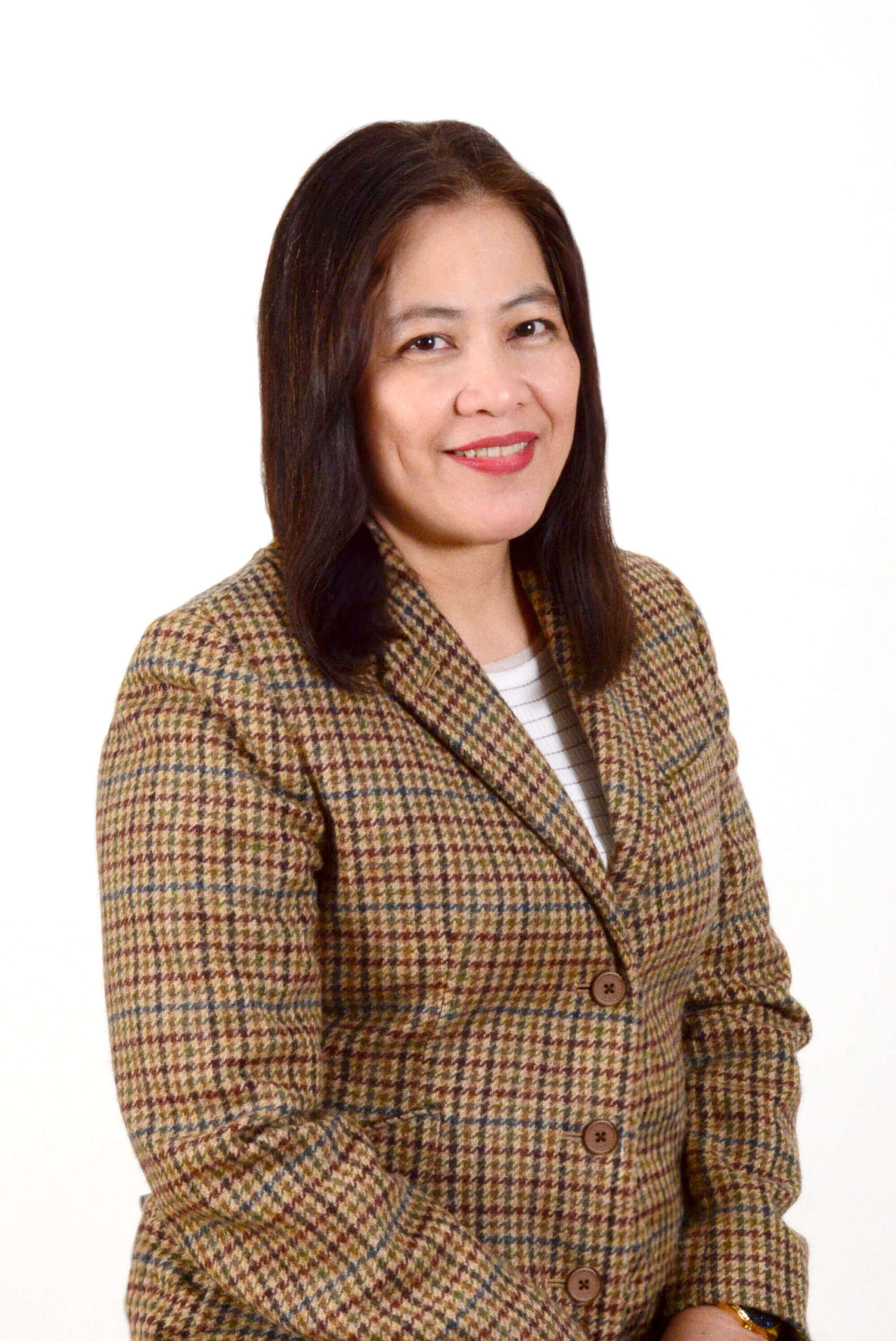
Mae Ann L. Chua, M.A.
Chairperson, Department of Communication (Undergraduate Program)
M.A. in Communication, Ateneo de Manila University
Assistant Professor
Communication Research, Communication for Development
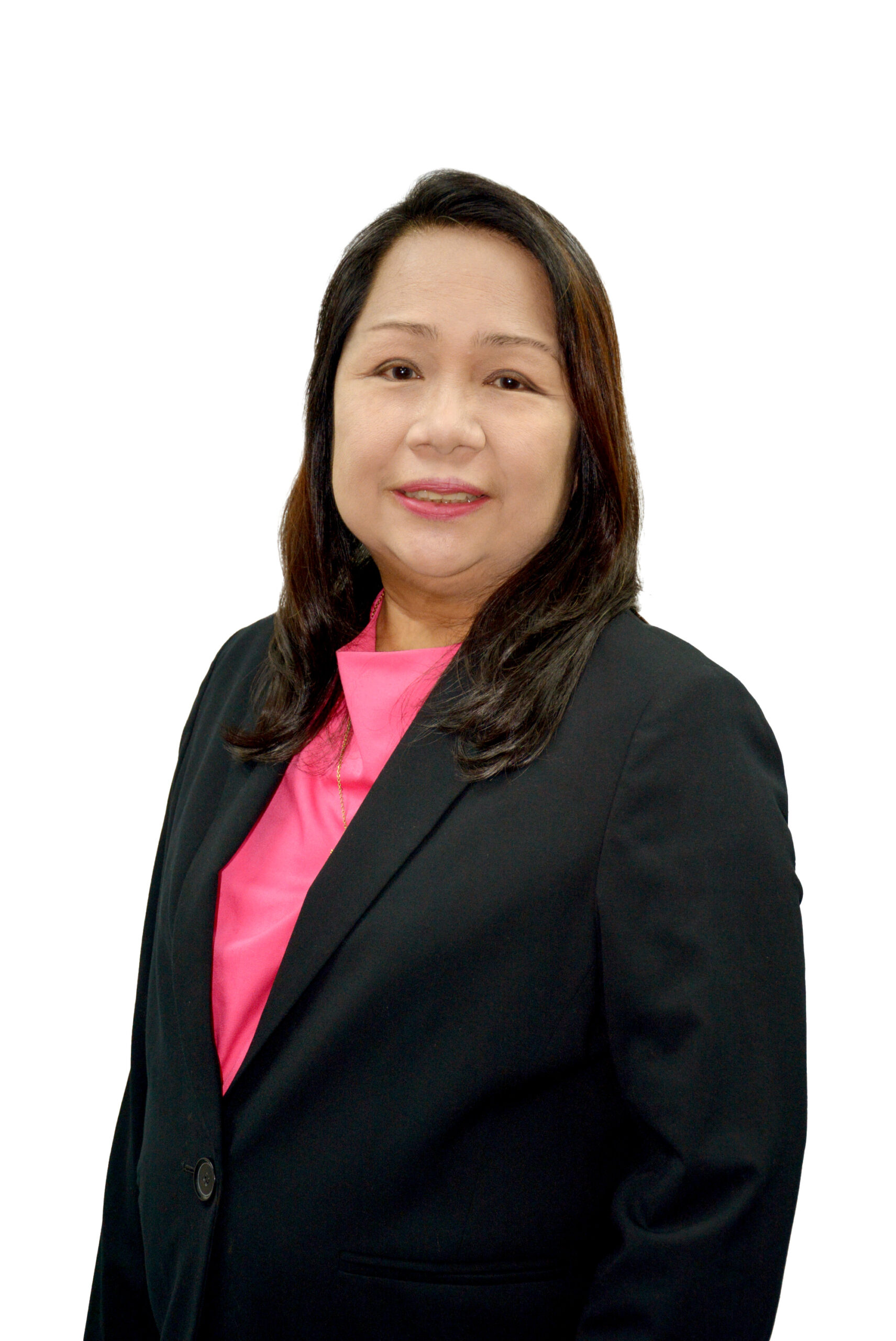
Nancy Galang-Concepcion, M.A.
Senior Lecturer
Master of Arts in Broadcast Communication, University of the Philippines
Television Production, Film Production
Kristine Joy De Leon
Lecturer
Bachelor of Arts in Communication Minor in Digital Media Production
Writing for Film
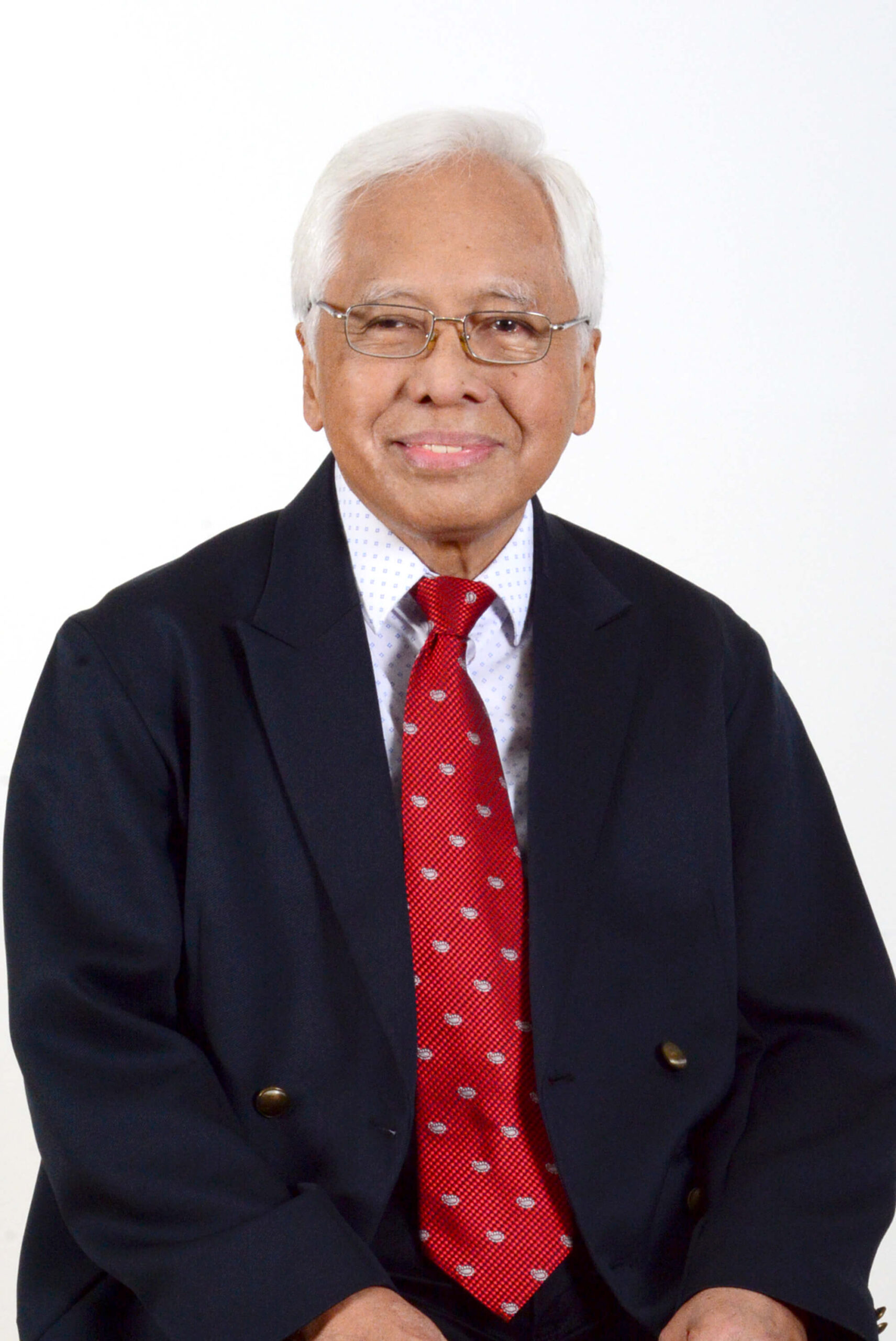
Lynda Catindig-Garcia, M.A
Associate Professor
Master of Arts in Communication, Ateneo de Manila University
Introduction to Communication Media, Gender and Communication, Events Management and Events Communication
Reynaldo Guioguio, Ph.D.
Chairperson, Department of Communication (Graduate Program)
Ph.D. in Communication, University of Washington
M.A. in Communication Research, University of the Philippines Diliman
Professorial Lecturer
Communication Research
Jethro Joaquin
Lecturer
Bachelor of Arts in Theater Arts, University of the Philippines
Theater Arts and Appreciation, Digital Sound Production

Kristine Mae Oswald, M.A.
Senior Lecturer
Master of Arts in Women and Development Studies, University of the Philippines
Effective Presentation and Multimedia Techniques, Communication for Development
Cristina Belen Princesa
Senior Lecturer
Bachelor of Laws, Far Eastern University
Media Laws and Ethics
Therese Patricia San Diego-Torres, M.A.
Senior Lecturer
Master in Communication Management, Asian Institute of Journalism and Communication
Journalism, Communication Research, Communication for Development, Knowledge Management, Communication Planning
Rosario Sinon, M.A.
Senior Lecturer
Master of Arts in Integrated Marketing Communication, Miriam College
Introduction to Communication Media, Radio Production, Writing for Radio

Rechilda Ulili, M.A.
Senior Lecturer
Master of Arts in Integrated Marketing Communication, Miriam College
Effective Presentation and Multimedia Techniques, Communication for Development, Advertising, Integrated Marketing Communication
Nilo Yacat, M.A.
Senior Lecturer
Master of Arts in Journalism, Asian Institute of Journalism and Communication
Communication Planning, Knowledge Management, Communication Research, Communication for Development
Gilbeys Z. Sardea, LPT, M.A.
Senior Lecturer
Master of Arts in Designing Education, Goldsmiths University of London
Digital Filmmaking, Writing for Television

Marion Nina Nicole G. Goyena, M.A.
Senior Lecturer
Master in Communication, University of Santo Tomas
Events Communication and Events Management, Public Relations
Rosario Fortuno Barrios, M.A.
Senior Lecturer
Master of Arts in English Language and Literature Teaching, Ateneo de Manila University
Journalism