Skip to content
Facebook Twitter Linkedin Instagram Youtube
  • Learning Centers
    • Language Learning Center
    • Music Center
    • Ballet Center
  • Advocacy & Mission
    • Maryknoll-Miriam Identity, Spirituality, and Mission Office
    • Center for Peace Education
    • Environmental Studies Institute
    • Women and Gender Institute
    • Child Rights Advocacy Center
      • Makabata Helpline
    • MC-Henry Sy Sr., Innovation Center
      • President’s Challenge
    • Integrative Lifestyle and Well-being (ILAW)
    • Growth Upgrading and Resource Office (GURO)
  • Outreach
  • Alumni
  • Careers at MC
  • Faculty & Staff
    • Human Resource Information System
    • Performance Management System
    • MC Flexible Benefits
    • Karanasang MC
    • Marketing and Communications Office
    • Safe Spaces
  • Health and Safety Advisories
  • Learning Centers
    • Language Learning Center
    • Music Center
    • Ballet Center
  • Advocacy & Mission
    • Maryknoll-Miriam Identity, Spirituality, and Mission Office
    • Center for Peace Education
    • Environmental Studies Institute
    • Women and Gender Institute
    • Child Rights Advocacy Center
      • Makabata Helpline
    • MC-Henry Sy Sr., Innovation Center
      • President’s Challenge
    • Integrative Lifestyle and Well-being (ILAW)
    • Growth Upgrading and Resource Office (GURO)
  • Outreach
  • Alumni
  • Careers at MC
  • Faculty & Staff
    • Human Resource Information System
    • Performance Management System
    • MC Flexible Benefits
    • Karanasang MC
    • Marketing and Communications Office
    • Safe Spaces
  • Health and Safety Advisories

Address

Katipunan Avenue, Loyola Heights, Quezon City

Email Us

assist@mc.edu.ph

Call Us

(+632) 8930-6272

Main Menu

  • Home
  • About MC
    • History and Heritage
    • Vision, Mission, Core Values, & Educational Quality Policy
    • School Name, Seal, and Hymn
    • Sustainable MC
    • Office of the President
      • Board of Trustees
      • President’s Council
    • Office of the Vice President for Academic Affairs
    • Accreditation & Certification
    • Affiliation & Linkages
  • Academics
    • Basic Education Unit
      • Preschool
      • Grade School
      • Junior High School
      • Senior High School
        • STEM
        • HUMMS
        • ABM
    • Higher Education Unit
      • School of Arts, Sciences and Education
      • School of Business, Entrepreneurship and Accountancy
    • Skills Development and Technical Education Center (SDTEC)
    • Lifelong Education and Development Center (LEAD)
    • Online Distance Learning
      • Miriam College – COTEACH
    • Student Journal
  • Admissions
    • Admission Procedures
      • Basic Education
        • Preschool
        • Grade School to Senior High School
      • Higher Education
        • Undergraduate
        • Graduate
        • Postgraduate Certificate and Diploma Programs
      • SDTEC
      • MC-COTEACH
    • Scholarships
      • Basic Education Unit Scholarships
      • Higher Education Unit Scholarships
    • Frequently Asked Questions
  • INTERNATIONAL
  • Research
  • Student Life
    • Safe Spaces
    • Makabata Helpline
    • International Student Experience
    • Integrative Lifestyle and Well-being (ILAW)
    • Clubs and Organizations
    • Campus Facilities
    • Residence Hall
    • Career Opportunities
  • News
  • Contact Us
  • Home
  • About MC
    • History and Heritage
    • Vision, Mission, Core Values, & Educational Quality Policy
    • School Name, Seal, and Hymn
    • Sustainable MC
    • Office of the President
      • Board of Trustees
      • President’s Council
    • Office of the Vice President for Academic Affairs
    • Accreditation & Certification
    • Affiliation & Linkages
  • Academics
    • Basic Education Unit
      • Preschool
      • Grade School
      • Junior High School
      • Senior High School
        • STEM
        • HUMMS
        • ABM
    • Higher Education Unit
      • School of Arts, Sciences and Education
      • School of Business, Entrepreneurship and Accountancy
    • Skills Development and Technical Education Center (SDTEC)
    • Lifelong Education and Development Center (LEAD)
    • Online Distance Learning
      • Miriam College – COTEACH
    • Student Journal
  • Admissions
    • Admission Procedures
      • Basic Education
        • Preschool
        • Grade School to Senior High School
      • Higher Education
        • Undergraduate
        • Graduate
        • Postgraduate Certificate and Diploma Programs
      • SDTEC
      • MC-COTEACH
    • Scholarships
      • Basic Education Unit Scholarships
      • Higher Education Unit Scholarships
    • Frequently Asked Questions
  • INTERNATIONAL
  • Research
  • Student Life
    • Safe Spaces
    • Makabata Helpline
    • International Student Experience
    • Integrative Lifestyle and Well-being (ILAW)
    • Clubs and Organizations
    • Campus Facilities
    • Residence Hall
    • Career Opportunities
  • News
  • Contact Us

Post Graduate Diploma on Child Protection

Home » Academics » Higher Education Unit » School of Arts, Sciences and Education » Post Graduate Diploma on Child Protection

POST GRADUATE DIPLOMA ON

CHILD PROTECTION

A 21-unit graduate diploma course on Child Protection under the Master’s in Social Work at      Miriam College is a practice-based, data-driven, policy-oriented, and innovation-focused academic program designed for social work professionals who are currently or planning to specialize in the area of child protection work.

Graduates who complete this postgraduate diploma course are eligible to advance to the Master’s in Social Work. They may also use their academic credentials earned from this diploma program in applying for corresponding Continuing Professional Development (CPD) units at the Professional Regulation Commission, as required for the renewal of their professional social work license.

Apply
Inquire

Program Outcomes

At the end of the study program, the students are expected to be critically and ethically reflective professionals who will contribute to building local-specific knowledge about social work and development practice in the Philippines that will inform the formulation, adoption, and implementation of culturally sensitive, gender responsive, inclusive, and sustainable social welfare policies and programs.

By the end of the program, graduates will be able to:

  • Apply a critical social work lens in the analysis and development of strategic, culturally sensitive, gender responsive, inclusive, and sustainable social welfare policies and programs.
  • Engage in practice-informed research and research-informed practice towards developing and mainstreaming models of social work practice, policy and program development, policy and program evaluation, and advocacy to promote and protect the rights and well-being of individuals, families, communities, and populations that are poor, marginalized, and at risk.
  • Demonstrate the ability to engage in social welfare policy and program advocacy at the local, national, and international levels.
  • Demonstrate advanced knowledge and skills in social administration with a focus on leadership, supervision, and human resource development.
  • Contribute to the social work body of knowledge and promote the profession through presentations of scholarly papers in conferences, publication in peer reviewed journal, or participation in policy discussions involving diverse disciplines.
  • Adhere to the highest professional and ethical standards in advanced Social Work practice.

Key Competencies Developed

By the end of the program, graduates will be able to demonstrate competencies in the areas of child rights, child protection theories and approaches, multi-disciplinary service provision delivery, case management, multi-sectoral coordination, resource mobilization, use of evidence-based and locally-generated research, data collection and knowledge management, policy analysis and local governance, public administration, planning and development processes including public investment for children and for achieving increased child protection outcomes, documentation of good practices and innovations, and social welfare system strengthening.


Foundational Knowledge

  • Child Development: An understanding of the physical, emotional, and psychological development of children and young people, including effects of trauma and abuse.
  • Legal and Policy Frameworks: Apply national laws and international standards related to child protection, adoption, and child rights.
  • Risk Assessment and Analysis: Identify risk factors and warning signs of child abuse, neglect, and exploitation in various contexts, including online environments.
  • Cultural Competency: Recognize and respect the cultural backgrounds of children and families, including specific issues for indigenous children, to provide culturally sensitive and appropriate care.


Assessment and Intervention Skills

  • Case Management: Assesses the co-existing needs of children and families, develops      case plans, and reviews outcomes to ensure effective service delivery.
  • Interviewing Techniques: Employ communication and interviewing methods that are child-friendly and adapted to the child’s age, status, and personal circumstances.
  • Crisis Intervention and Response: Recognize signs of harm and respond  appropriately to disclosures of abuse, including providing immediate support and making necessary referrals to specialized services.
  • Trauma-Informed Care: Implement care strategies for children and young people who have experienced trauma and attachment issues.


Interpersonal and Ethical Skills

  • Communication: Demonstrate strong written and oral communication skills for interacting with children, families, colleagues, and other professionals, and for accurate record-keeping.
  • Empathy and Patience: Connects with clients by showing compassion and understanding to navigate complex family issues and deal with potential setbacks.
  • Ethical Decision-Making: Follows a strict code of professional conduct, acts in the best interest of the child, and maintains confidentiality.
  • Collaboration and Advocacy: Builds and maintains partnerships with various stakeholders, including law enforcement, legal professionals, and health services, while advocating for the child’s rights and best interests across different agencies.


Professional and Resilience Skills

  • Reflective Practice: Engages in critical self-assessment and reflects on professional practices to improve service delivery.
  • Resilience and Self-Care: Copes with emotionally demanding and high-stress situations to avoid burnout.
  • Work Health and Safety: Maintains a commitment to work health and safety policies and procedures.
  • Organizational and Time Management: Manages heavy caseloads, paperwork, and appointments effectively.

Why take up Communication at MC?

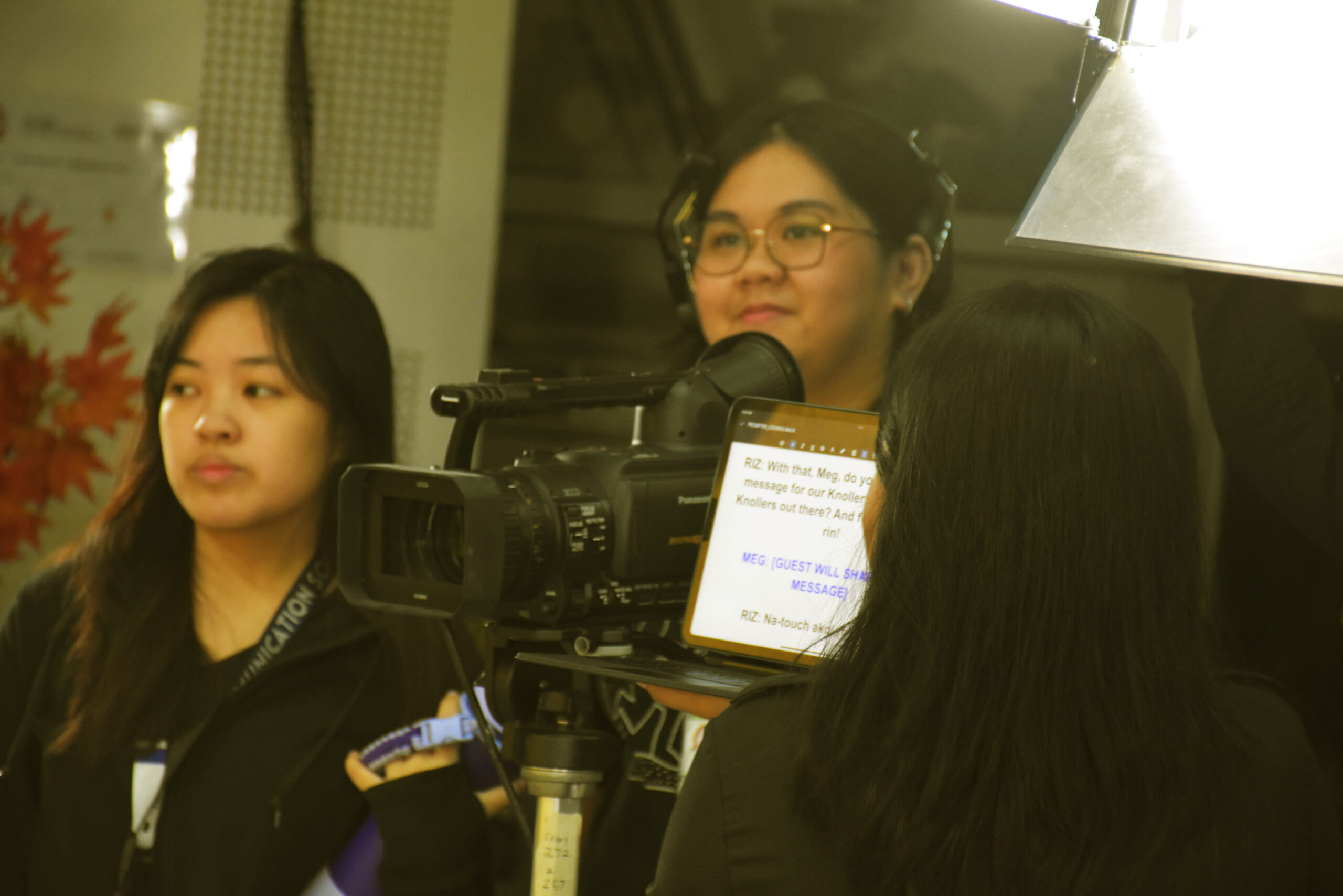
  • Immerses students in the modern study of media production and management, creative advertising, public relations, marketing, and information and communication technology
  • Teaches theoretically-grounded subjects (such as Theories of Communication and Communication Research) that serve as the basis for framing effective communication materials and in analyzing various communication platforms and content that can impact individuals and society
  • Exposes students to real-world work environment
  • Involves students in marketing research to conceptualizing advertisements, planning a script to producing the actual story, and lay-outing to editing emphasizing on the power of the message in every output
  • Prepares students to understand that communication serves a higher purpose and that it must benefit communities and society.
  • Engage with esteemed faculty who mentors students in navigating their potential career paths and to be competent at work
OPTION TO MINOR IN DIGITAL MEDIA PRODUCTION

Our digital media production (DMP) track is focused on four key production electives: Digital Imaging, Digital Filmmaking, Digital Sound Production, and Web Design.

Core Production Classes

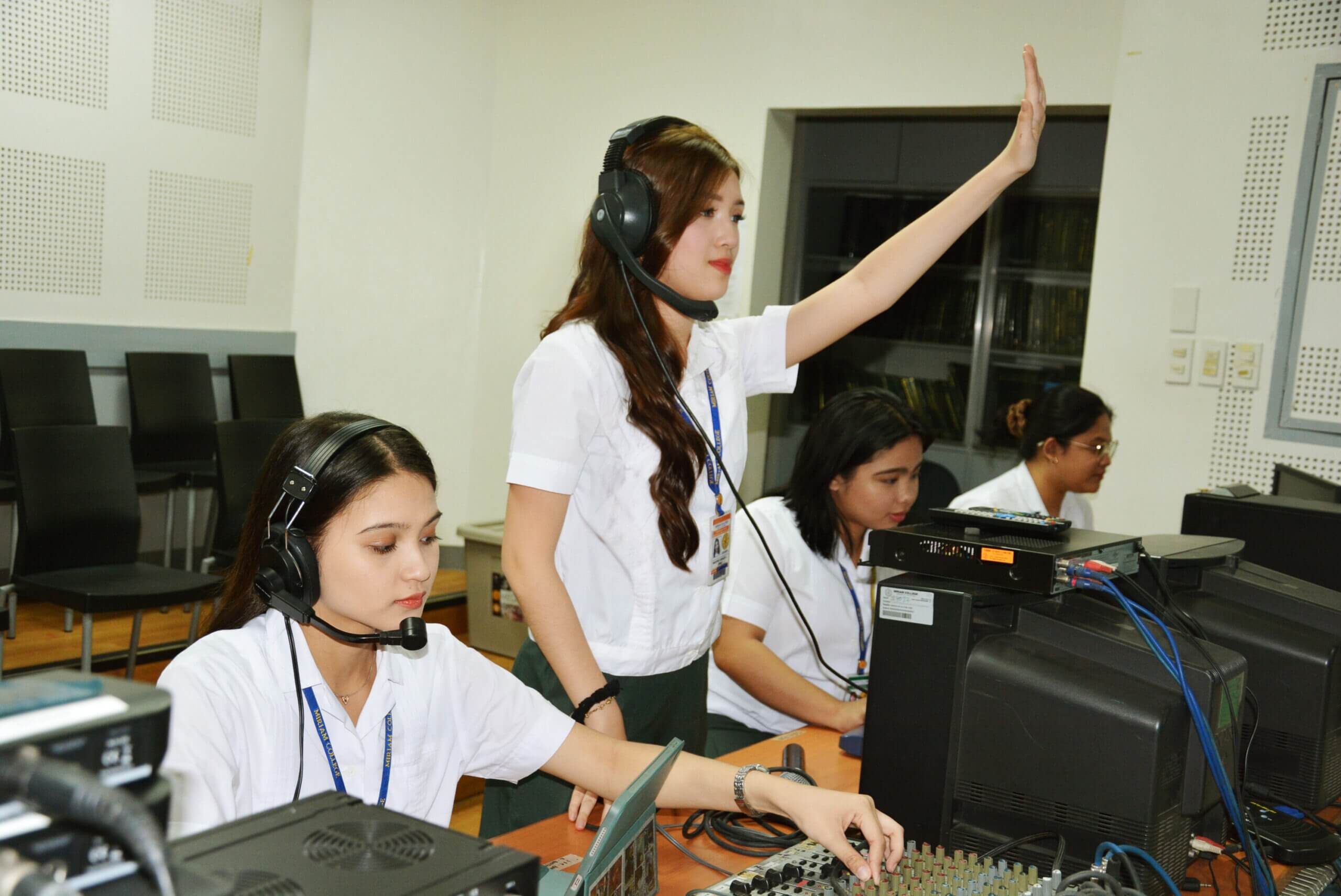
Our core production classes are rooted on traditional/legacy media with a modern perspective. Students take up Journalism Principles and Practices, Television Production, Film Theory and Practice, Radio Production, Theater Arts, and Advertising. Here, students learn the essential skills in production in the diverse communication and media industry, and how these are continuously utilized even in digital content creation.

THE ESSENTIAL CLASSES

The very foundation of expertise is starting with the basics. Through the courses Introduction to Communication, Theories of Communication, Introduction to Communication Research, and Research Writing, we will teach you the nuances of interpersonal, group, mass, and computer-mediated communication.

SOCIAL DIMENSION CLASSES

Students are exposed to the social significance of communication through our Communication and Society, Gender and Communication, and Media Law and Ethics classes. Our Communication Planning, Knowledge Management, Risk, Disaster and Humanitarian Communication, and Communication for Development courses allow students to analyze and solve real-world societal, environmental, health, community, and organizational problems.

WHAT WILL I STUDY?

THEORIES OF COMMUNICATION

This course introduces the student to the multi-disciplinary nature of the theories of communication and their applications in interpersonal, group, organizational, intercultural, and mass communication situations.

COMMUNICATION PLANNING

Principles and strategies on how to develop an evidence-based and results-oriented communication campaign plan. It covers the planning process, elements of a communication plan, and measuring effects and impacts. The campaign may refer to public information and education, advocacy, social mobilization, and similar communication-related programs.

JOURNALISM PRINCIPLES AND PRACTICES

This course focuses on the principles and practices of journalism, which involves a discussion of the functions of the newspaper: the sequence of news, news gathering and reporting, publication, editorial policies and standards, etc. The emphasis of the course is on Philippine journalism applied to print, online, and broadcast media.

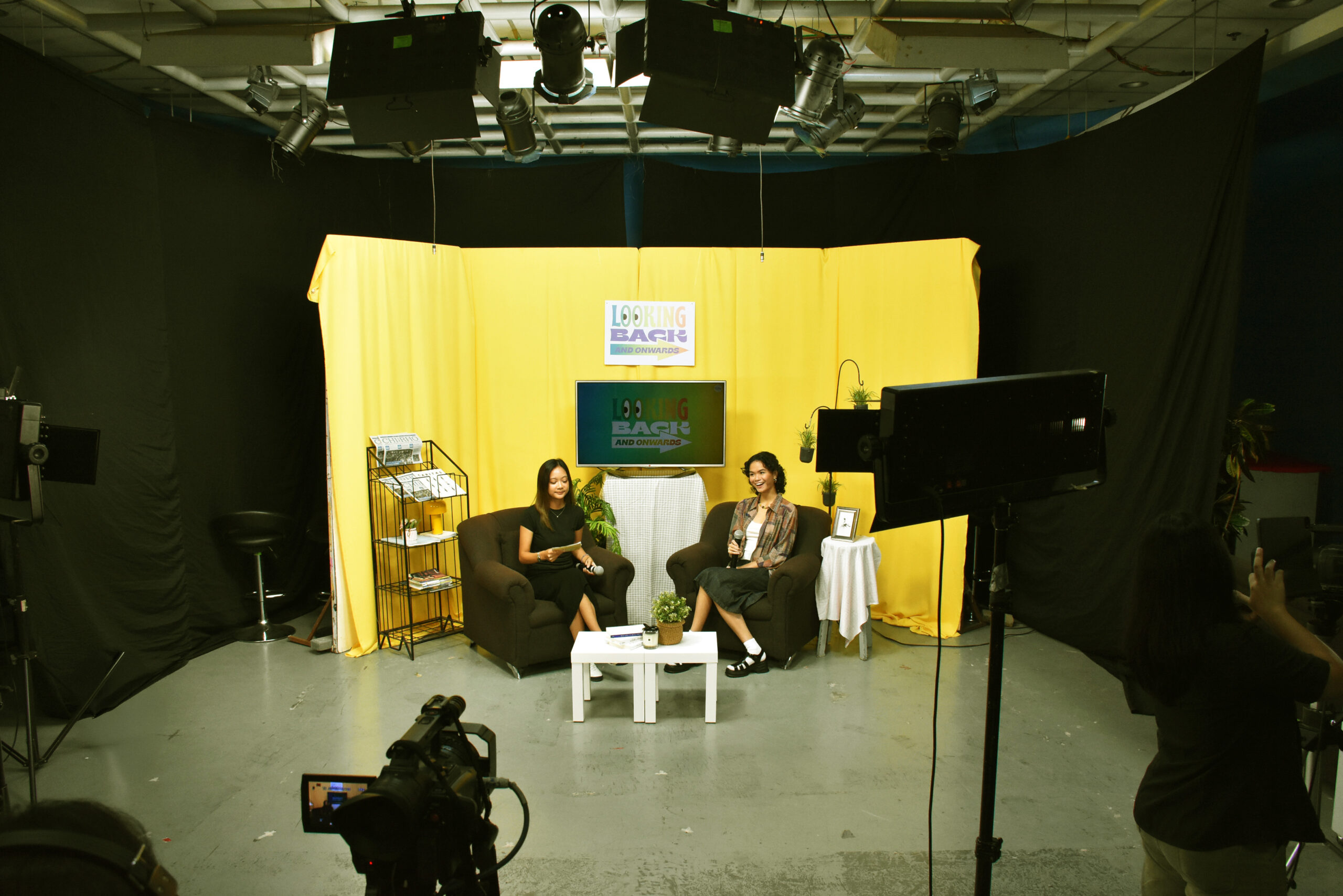
TELEVISION PRODUCTION


This course is concerned with the understanding of the nature of television as a medium of communication, and its production techniques and processes. Students are given the chance to study various program types and to produce these programs.

RADIO PRODUCTION

This course is an integration of the fundamentals of radio scriptwriting, production procedures, and techniques. Students are exposed to various radio program-types and are given the chance to conceptualize, plan, and produce these programs.

ADVERTISING PRINCIPLES AND PRACTICES

This course is a detailed study of the theory and practice of advertising. The preparation and implementation of concepts to media discourse are comprehensively discussed and taught in this course. Students are given the opportunity to prepare workable advertising programs.

PUBLIC RELATIONS PRINCIPLES AND PRACTICE

This course is an introduction to the basic concepts, principles, and practices of public relations and its applications to education, government, business and industry, and other institutions. Practical applications to cases drawn from the context of Philippine public relations are discussed. The course also includes the application of communication theories to public relations, and the orientation on the role of public relations person as a change-agent.

FILM THEORY AND PRACTICE

This is an introductory course on film, in which film theories and film history are studied. The students are introduced to the language and grammar of film and are given the chance to apply the acquired knowledge through a final production output.

COMMUNICATION MANAGEMENT & ENTREPRENEURSHIP

This course deals with organizational principles and practices related to the management of communication functions. The emphasis is on the management of human, financial, material, and information resources. This course will also allow the students to manage media enterprises, such as production and publishing houses, design studios, and other entrepreneurial fields.

COMMUNICATION FOR DEVELOPMENT

An interdisciplinary course which seeks to examine the phenomenon of communication for development, the theories, concepts, approaches, and methodologies utilized by various agencies involved in the process of development and promotion of change, through communication. It seeks to study the basic communication policies and strategies related to the modernization and national development of Developing countries.

RISK, DISASTER AND HUMANITARIAN COMMUNICATION

It involves the process of communicating effectively with valuable stakeholders prior to, during, and after the onset of risk situations. It also seeks to familiarize students with communication strategies used in humanitarian aid operations, which contribute to the protection of people and property in times of disasters or emergencies.

For information and other inquiries, you may reach Miriam College Alviera at admissions.alviera@mc.edu.ph.

The following Sustainable Development Goals (SDGs) are addressed by this program:

Potential Careers

Graduates of this program may venture on the following:

Clinical Social Work (Micro Practice) – for those interested in providing direct mental and behavioral health services      

  • Licensed Clinical Social Worker – provides therapy and counseling to individuals, families, and groups to diagnose and treat mental, behavioral, and emotional disorders.
  • Medical Social Worker – assists patients and their families in navigating the medical system, offering emotional support, implementing crisis intervention, and connecting them with resources.
  • Mental Health and Substance Abuse Therapist – focuses on individuals with mental health or addiction issues by creating treatment plans, providing therapy, and conducting group counseling sessions.
  • Child and Family Therapist – counseling for families and children to address a range of issues, such as behavioral problems, domestic violence, or trauma.
  • School Social Worker – supports students’ academic and emotional well-being by addressing issues like family problems, bullying, or mental health concerns.

Community and Organizational Work (Mezzo Practice) – focusing on interventions at the group or community level and often bridges micro- and macro-practices    

  • Community Organizer – Collaborate with community members and stakeholders to advocate for new programs and services, working for non-profit or community organizations to build community capacity

Administrative and Policy Work (Macro Practice) – For those who want to create systemic change by working on program development, administration, and public policy    

  • Community Program Administrator – The role involves overseeing social programs within government agencies or non-profit organizations. Responsibilities include managing budgets, securing funding, and supervising staff to ensure services effectively meet community needs.
  • Policy Analyst – Research social issues and use data to help craft new policies at the local, regional, or national level. This involves working with government agencies, research institutions, and advocacy groups.
  • Social Work Supervisor – Supervisory roles where they train, mentor, and oversee a team of social workers. They handle administrative responsibilities and manage the team’s service delivery.
  • Researcher – Research social workers work at universities or government agencies to conduct studies on social issues, program effectiveness, and challenge individuals face.
  • Director of a Non-Profit – It is a leadership position overseeing the operations of a non-profit organization.

Specialized and Alternative Careers (Specialized roles often involving populations with specific needs)

  • Forensic Social Worker – Working within the legal and criminal justice systems by providing services in correctional facilities, juvenile detention centers, and court systems
  • International Social Worker – Working with non-government organizations or humanitarian aid organizations to address global issues such as poverty, human rights, and disaster relief

CURRICULUM SUMMARY

Courses

Units

Professional Courses

18

  • DCP-201 Theoretical Perspectives, Issues, and Trends in Child Protection
  • DCP-202 Case Management in Child Protection: Theory and Practice
  • DCP-203 Child Welfare Systems Strengthening: Strategies, Methods, Approaches
  • DCP-204 Child Protection Policies and Local Governance in the Context of Social Welfare Delivery
  • DCP-205 Data Management for Child Protection: Collecting, Processing, and Using of Data
  • DCP-206 Leading and Working with Diverse Stakeholders

Capstone Course

3

●       DCP-207 Special Project/Capstone Project


Total Number of Units

21

Career Paths

Because we have a generalist curriculum, a student has an array of opportunities for their future communication-related careers might just find their passions in life. Depending on your interest, there are a number of industries where you can find your future niche:

Radio Production:

  • Voice talent
  • Radio Jock
  • Podcast Content Creator
  • Station Manager
  • Writer

Film and Television Production:

  • Actor
  • Director
  • Editor
  • Producer
  • Scriptwriter
  • Story Developer
  • Sound Designer
  • Set Designer
  • Floor Director
  • Videographer

Advertising:

  • Copywriter
  • Art Director
  • Creatives Head
  • Accounts Manager
  • Media Planner

Public Relations:

  • Communications specialist
  • Writer
  • Brand/Organization Spokesperson

Integrated Marketing Communications:

  • Researcher
  • Sales
  • Social media manager
  • Events Management and Communication

Government and Development Communications

  • Crisis communication
  • Community and development communication
  • Information officer
  • Health, disaster, and environment communication

Activities

Meet the Faculty

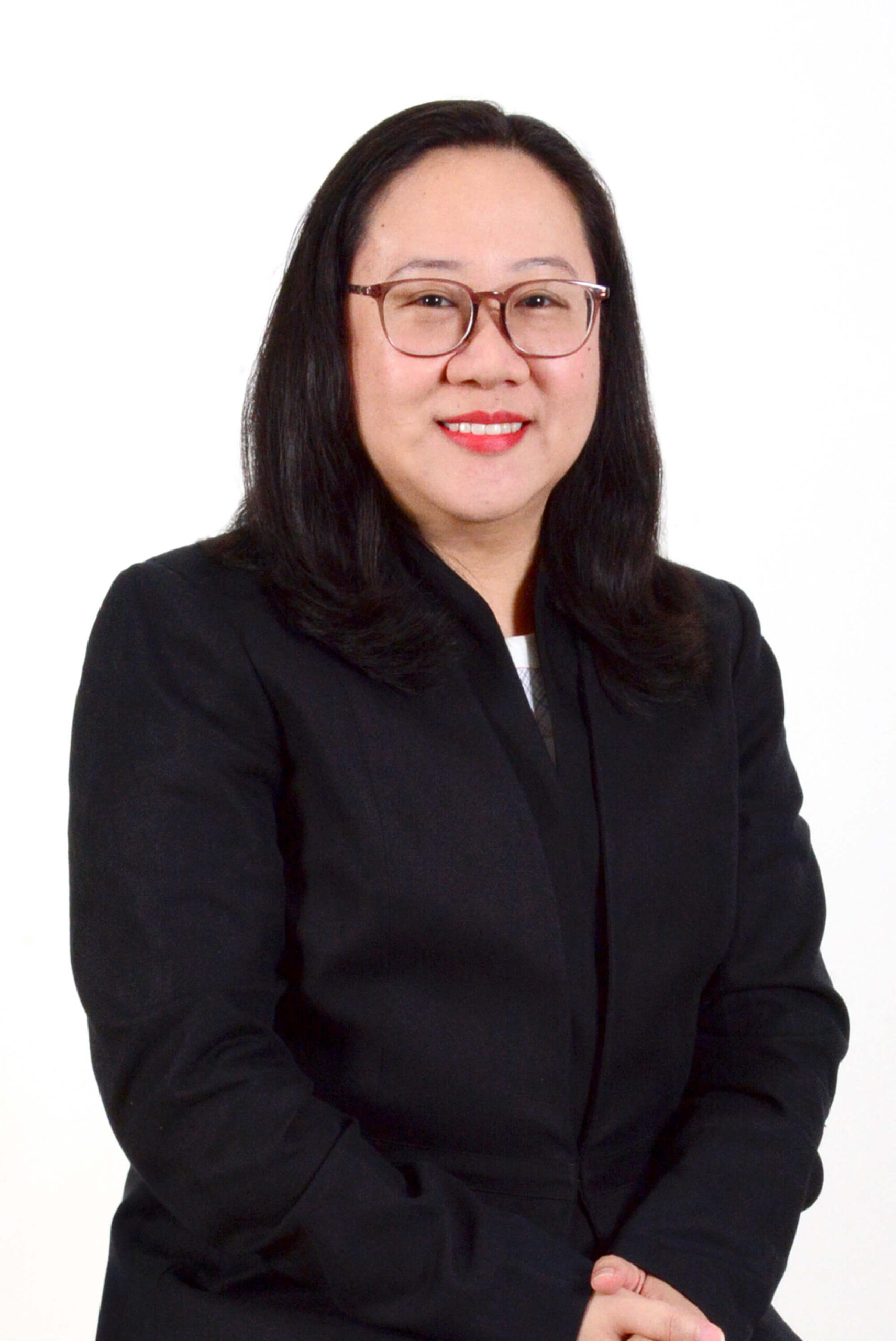
RMC_2135_CHUA, Mae Ann

Mae Ann L. Chua, M.A.

Chairperson, Department of Communication (Undergraduate Program)

M.A. in Communication, Ateneo de Manila University
Assistant Professor
Communication Research, Communication for Development
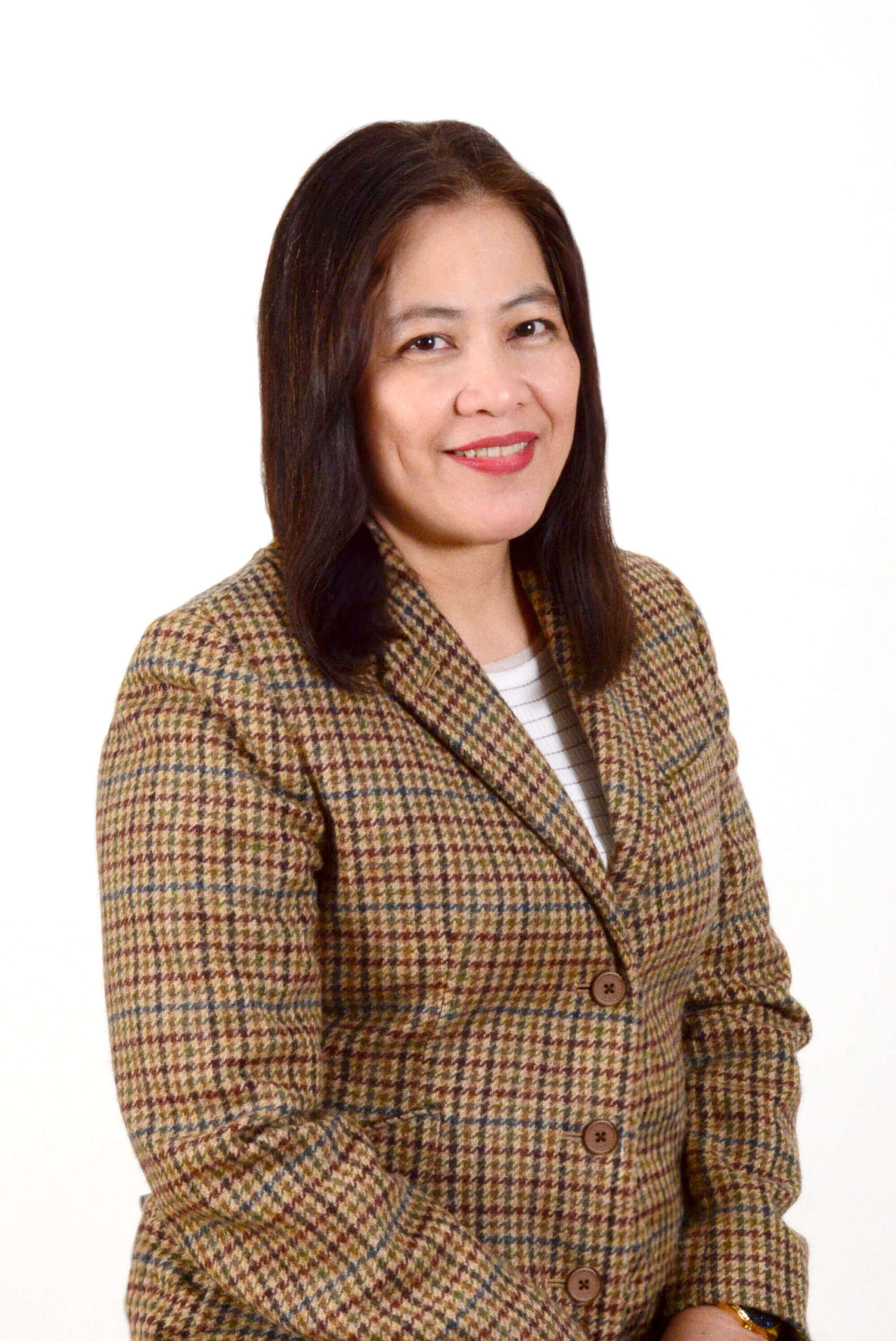
RMC_2934_CONCEPCION, Nancy--

Nancy Galang-Concepcion, M.A.

Senior Lecturer

Master of Arts in Broadcast Communication, University of the Philippines
Television Production, Film Production
placeholder

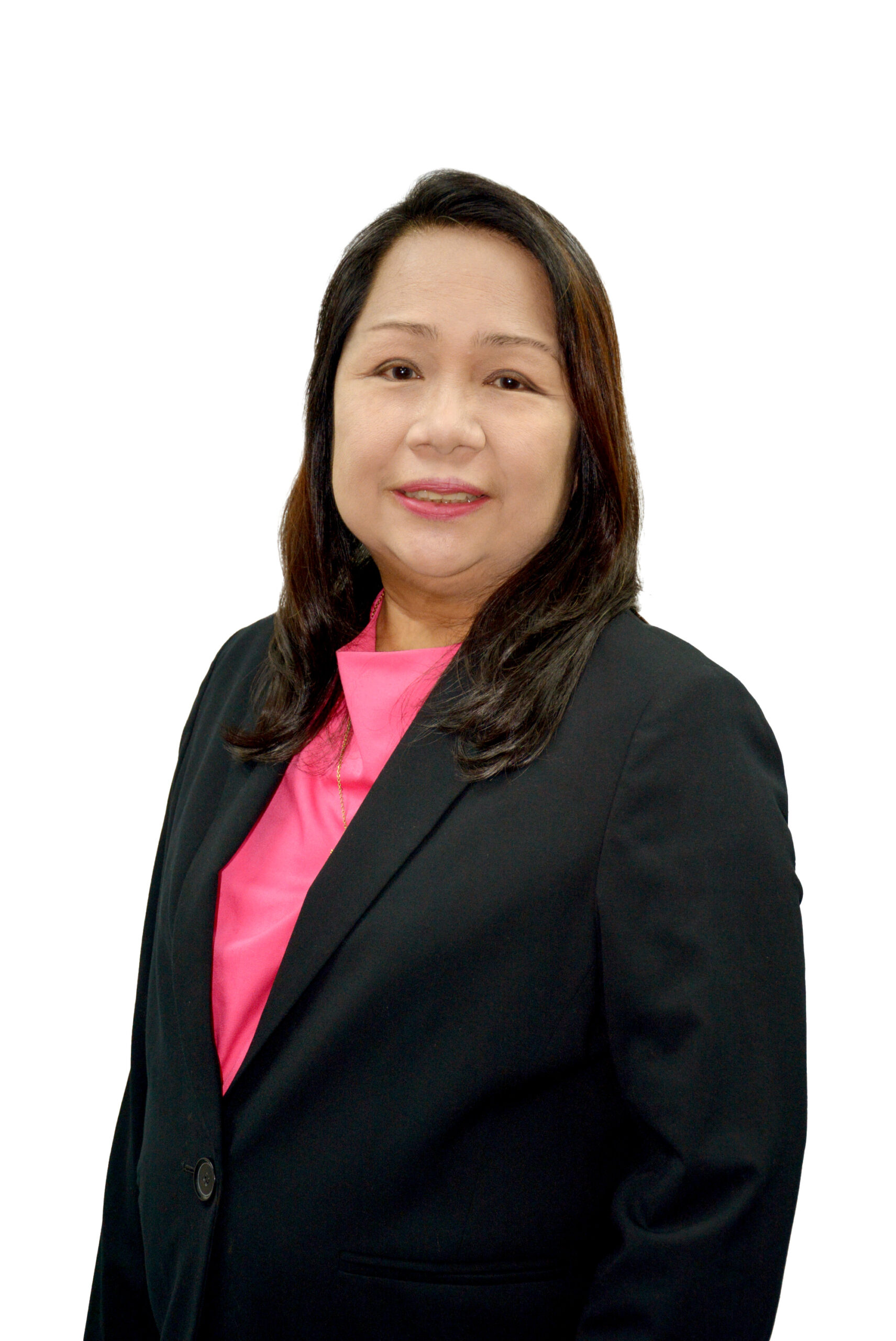
Kristine Joy De Leon

Lecturer

Bachelor of Arts in Communication Minor in Digital Media Production
Writing for Film
RMC_9803_GARCIA, Lynda

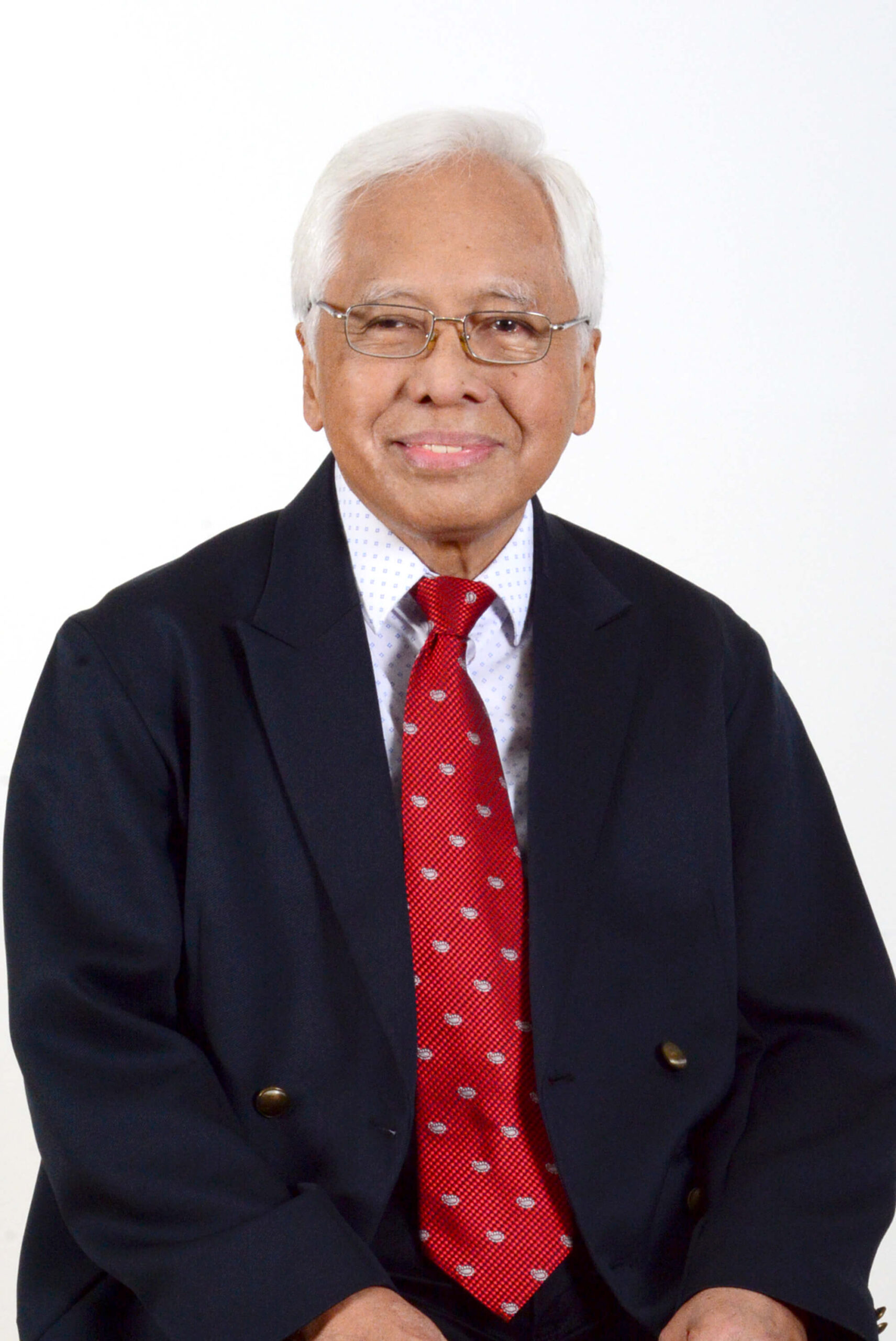
Lynda Catindig-Garcia, M.A

Associate Professor

Master of Arts in Communication, Ateneo de Manila University
Introduction to Communication Media, Gender and Communication, Events Management and Events Communication
RMC_1782_GUIOGUIO, Reynaldo

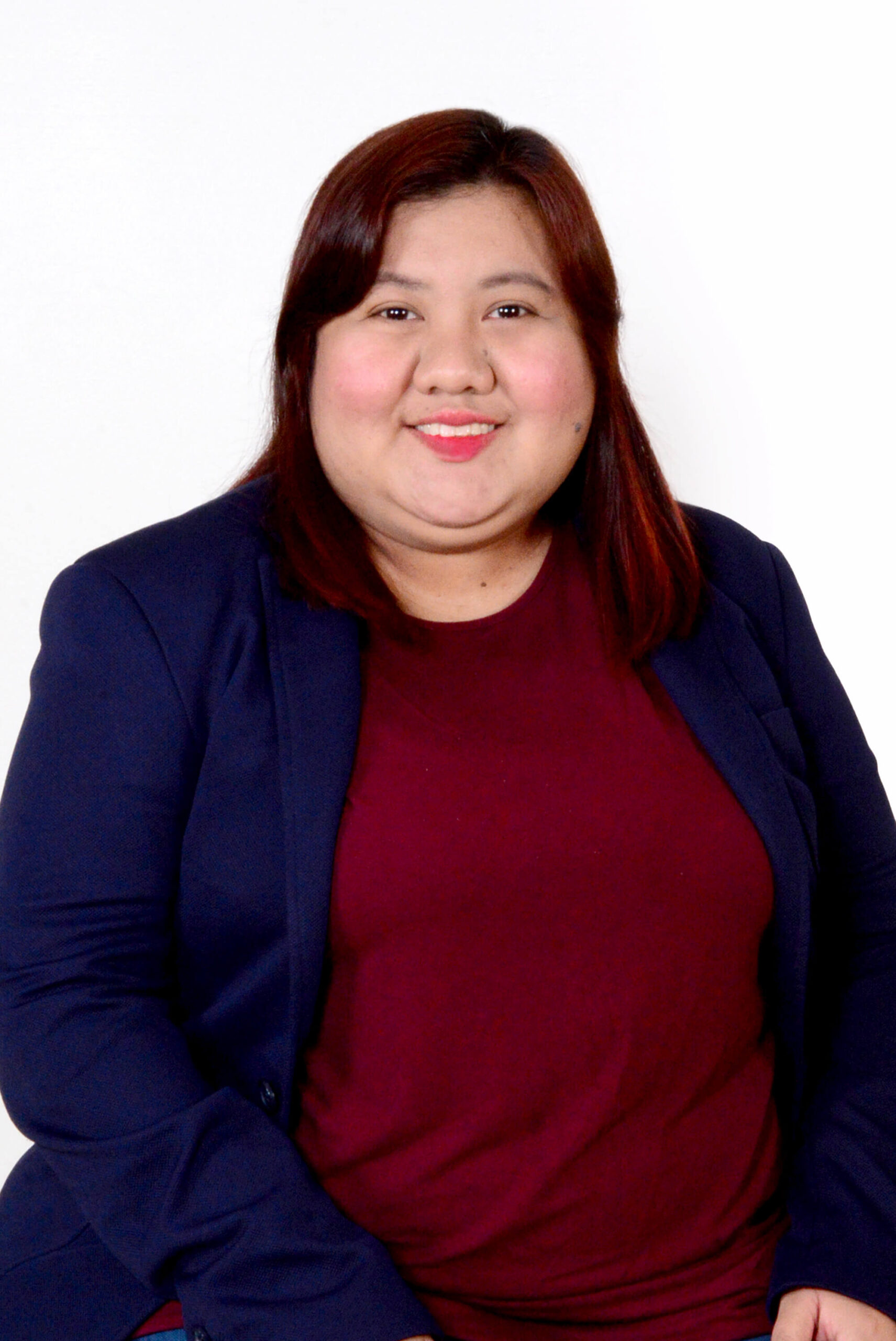
Reynaldo Guioguio, Ph.D.

Chairperson, Department of Communication (Graduate Program)

Ph.D. in Communication, University of Washington
M.A. in Communication Research, University of the Philippines Diliman
Professorial Lecturer
Communication Research

placeholder

Jethro Joaquin

Lecturer

Bachelor of Arts in Theater Arts, University of the Philippines
Theater Arts and Appreciation, Digital Sound Production
RMC_3169_OSWALD, Kristine--

Kristine Mae Oswald, M.A.

Senior Lecturer

Master of Arts in Women and Development Studies, University of the Philippines
Effective Presentation and Multimedia Techniques, Communication for Development

placeholder

Cristina Belen Princesa

Senior Lecturer

Bachelor of Laws, Far Eastern University
Media Laws and Ethics

placeholder

Therese Patricia San Diego-Torres, M.A.

Senior Lecturer

Master in Communication Management, Asian Institute of Journalism and Communication
Journalism, Communication Research, Communication for Development, Knowledge Management, Communication Planning

placeholder

Rosario Sinon, M.A.

Senior Lecturer

Master of Arts in Integrated Marketing Communication, Miriam College
Introduction to Communication Media, Radio Production, Writing for Radio

RMC_2143_ULILI, Rechilda

Rechilda Ulili, M.A.

Senior Lecturer

Master of Arts in Integrated Marketing Communication, Miriam College
Effective Presentation and Multimedia Techniques, Communication for Development, Advertising, Integrated Marketing Communication

placeholder

Nilo Yacat, M.A.

Senior Lecturer

Master of Arts in Journalism, Asian Institute of Journalism and Communication
Communication Planning, Knowledge Management, Communication Research, Communication for Development

placeholder

Gilbeys Z. Sardea, LPT, M.A.

Senior Lecturer

Master of Arts in Designing Education, Goldsmiths University of London
Digital Filmmaking, Writing for Television
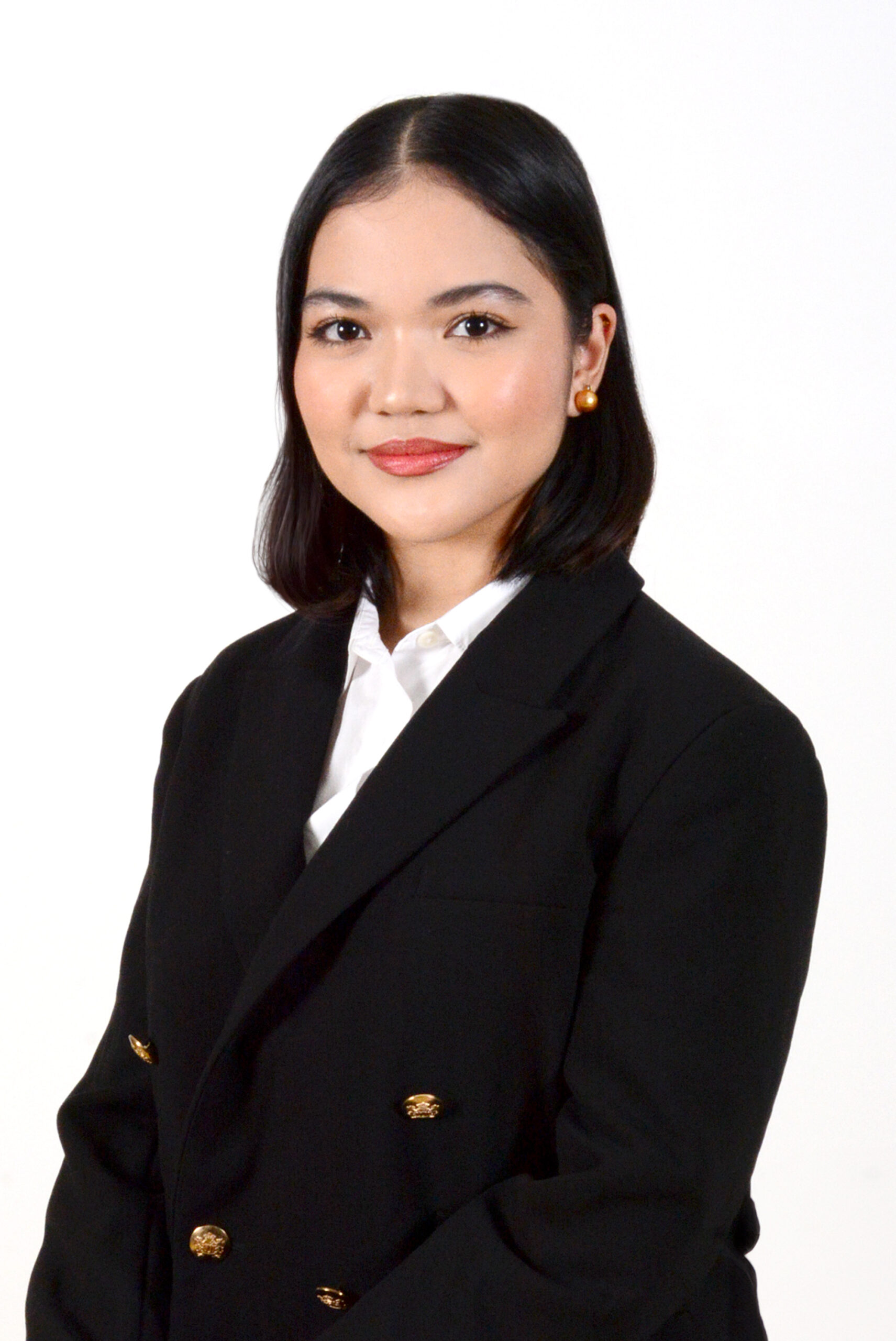
RMC_2991_GOYENA, Marion

Marion Nina Nicole G. Goyena, M.A.

Senior Lecturer

Master in Communication, University of Santo Tomas
Events Communication and Events Management, Public Relations

placeholder

Rosario Fortuno Barrios, M.A.

Senior Lecturer

Master of Arts in English Language and Literature Teaching, Ateneo de Manila University
Journalism
MIRIAM COLLEGE

  • Katipunan Avenue, Loyola Heights,
    Quezon City 1108 Philippines
  • assist@mc.edu.ph
  • (+632) 8930-6272

INFORMATION

  • Office of the President
  • Alumni
  • Academics
  • Admissions
  • Registrar
  • Careers at MC
  • News
  • Directory

STUDENT SERVICES

  • MCGS Library Media Center
  • MCHS Library Media Center
  • HEU Library Media Center
  • HEU Guidance and Counseling Office

FOLLOW US

  • Facebook
  • Twitter
  • LinkedIn
  • Instagram
  • Youtube
  • TikTok

SEND US A MESSAGE

"*" indicates required fields

This field is for validation purposes and should be left unchanged.

a

  • Copyright 2025 by Miriam College
  • Privacy Statement
Website by Web Design Philippines
MC_Logo_SEAL FA trans-blue

MIRIAM COLLEGE

MAIN MENU

  • Home
  • About MC
    • History and Heritage
    • Vision, Mission, Core Values, & Educational Quality Policy
    • School Name, Seal, and Hymn
    • Sustainable MC
    • Office of the President
      • Board of Trustees
      • President’s Council
    • Office of the Vice President for Academic Affairs
    • Accreditation & Certification
    • Affiliation & Linkages
  • Academics
    • Basic Education Unit
      • Preschool
      • Grade School
      • Junior High School
      • Senior High School
        • STEM
        • HUMMS
        • ABM
    • Higher Education Unit
      • School of Arts, Sciences and Education
      • School of Business, Entrepreneurship and Accountancy
    • Skills Development and Technical Education Center (SDTEC)
    • Lifelong Education and Development Center (LEAD)
    • Online Distance Learning
      • Miriam College – COTEACH
    • Student Journal
  • Admissions
    • Admission Procedures
      • Basic Education
        • Preschool
        • Grade School to Senior High School
      • Higher Education
        • Undergraduate
        • Graduate
        • Postgraduate Certificate and Diploma Programs
      • SDTEC
      • MC-COTEACH
    • Scholarships
      • Basic Education Unit Scholarships
      • Higher Education Unit Scholarships
    • Frequently Asked Questions
  • INTERNATIONAL
  • Research
  • Student Life
    • Safe Spaces
    • Makabata Helpline
    • International Student Experience
    • Integrative Lifestyle and Well-being (ILAW)
    • Clubs and Organizations
    • Campus Facilities
    • Residence Hall
    • Career Opportunities
  • News
  • Contact Us

Follow us

Facebook Twitter Linkedin Instagram Youtube

Quick links

  • Learning Centers
    • Language Learning Center
    • Music Center
    • Ballet Center
  • Advocacy & Mission
    • Maryknoll-Miriam Identity, Spirituality, and Mission Office
    • Center for Peace Education
    • Environmental Studies Institute
    • Women and Gender Institute
    • Child Rights Advocacy Center
      • Makabata Helpline
    • MC-Henry Sy Sr., Innovation Center
      • President’s Challenge
    • Integrative Lifestyle and Well-being (ILAW)
    • Growth Upgrading and Resource Office (GURO)
  • Outreach
  • Alumni
  • Careers at MC
  • Faculty & Staff
    • Human Resource Information System
    • Performance Management System
    • MC Flexible Benefits
    • Karanasang MC
    • Marketing and Communications Office
    • Safe Spaces
  • Health and Safety Advisories

Apply Now

Miriam College Loyola Heights

Quezon City, NCR

  • Preschool to Senior High School
  • Undergraduate
  • Graduate
  • Postgraduate Certificate / Dimploma Programs
  • SDTEC
  • MC Co Teach
Contact Us