Post Graduate Certificate in
Measurement and Evaluation

The Postgraduate Certificate in Measurement and Evaluation is a 15-unit program that focuses on the concepts and skills necessary in understanding research and developing instruments for measurement and evaluation relevant to the needs of the community.
Program Outcomes
By the end of the program, graduates will be able to   Â
- demonstrate an in-depth understanding of research design, assessment, and evaluation for use in different educational settings;
- analyze relevant program designs and evaluation instruments for the community; and
- create evaluation instruments using statistical and qualitative tools.
Key Competencies Developed
By the end of the program, graduates will be able to develop the following key competencies:
- Test Construction, Data Interpretation, and Reporting
- Program Assessment and Evaluation
- Critical Thinking and Problem Solving
- Technology Integration
- Ethics and Professional Standards
These competencies can be assessed through a variety of methods, including the following:
- Selection and Application of Statistical Methods
- Creation of Assessment Tools
- Developing an Evaluation Framework
- Integration of Technology in Assessment and Evaluation
This course introduces the student to the multi-disciplinary nature of the theories of communication and their applications in interpersonal, group, organizational, intercultural, and mass communication situations.
Principles and strategies on how to develop an evidence-based and results-oriented communication campaign plan. It covers the planning process, elements of a communication plan, and measuring effects and impacts. The campaign may refer to public information and education, advocacy, social mobilization, and similar communication-related programs.
This course focuses on the principles and practices of journalism, which involves a discussion of the functions of the newspaper: the sequence of news, news gathering and reporting, publication, editorial policies and standards, etc. The emphasis of the course is on Philippine journalism applied to print, online, and broadcast media.
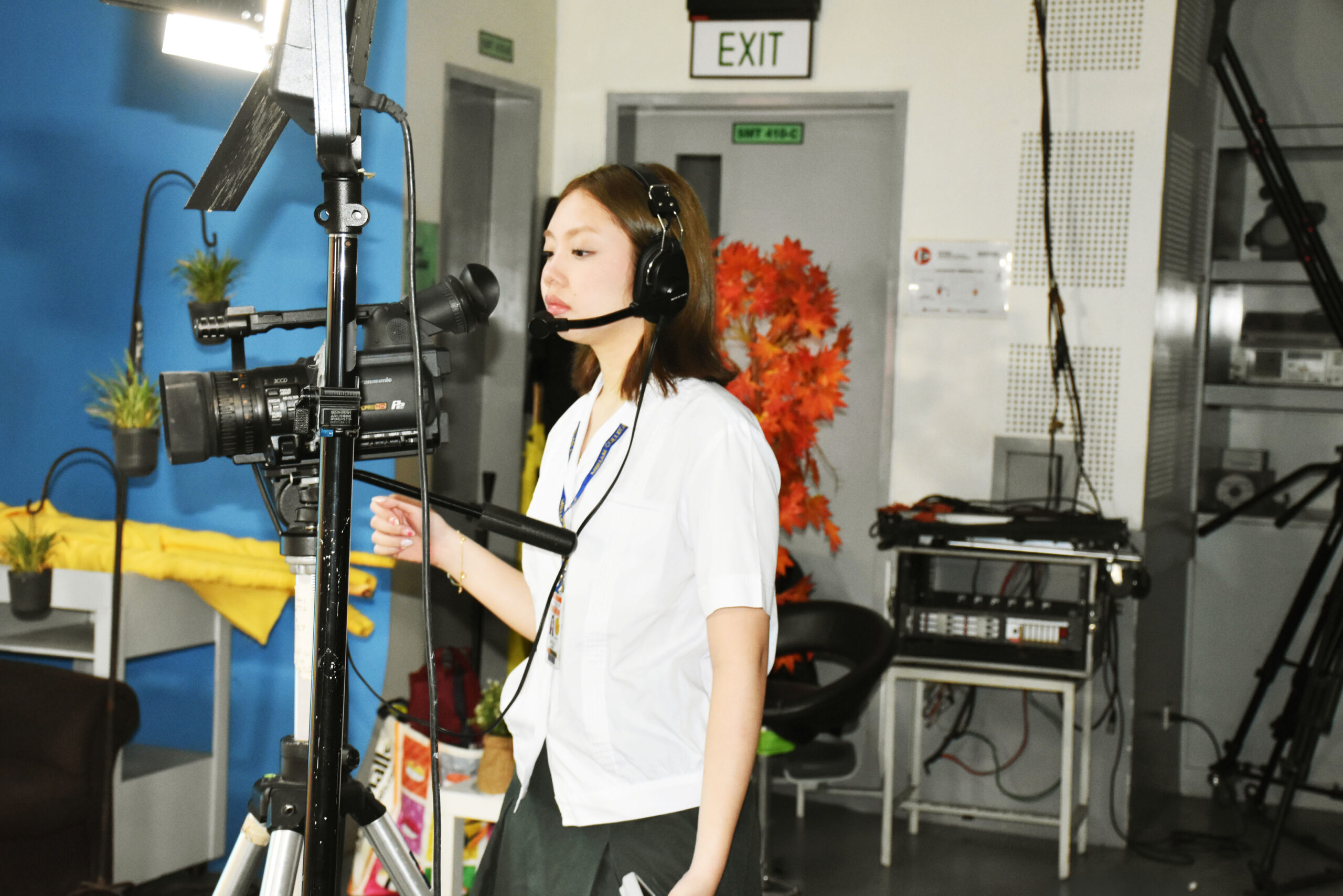
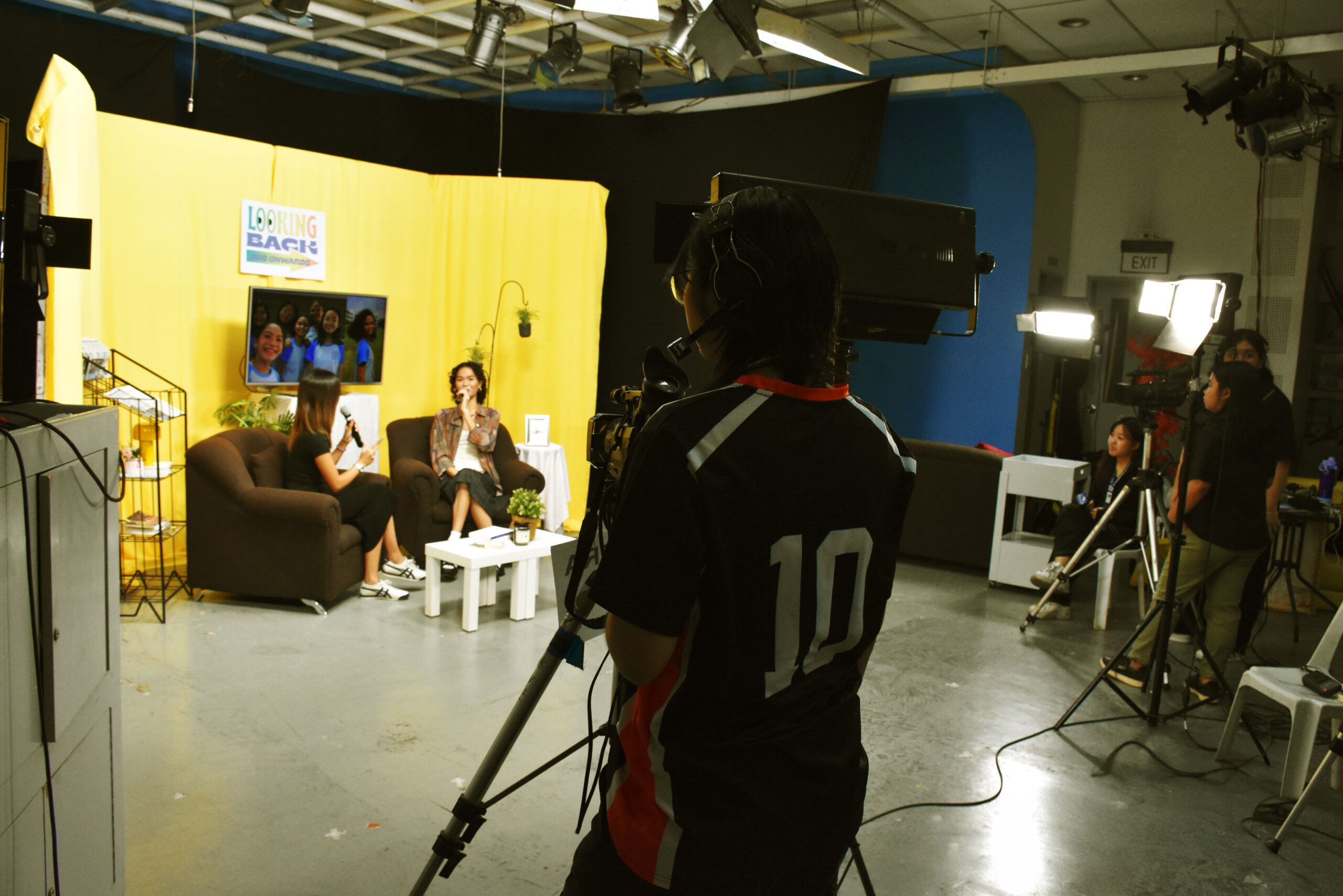
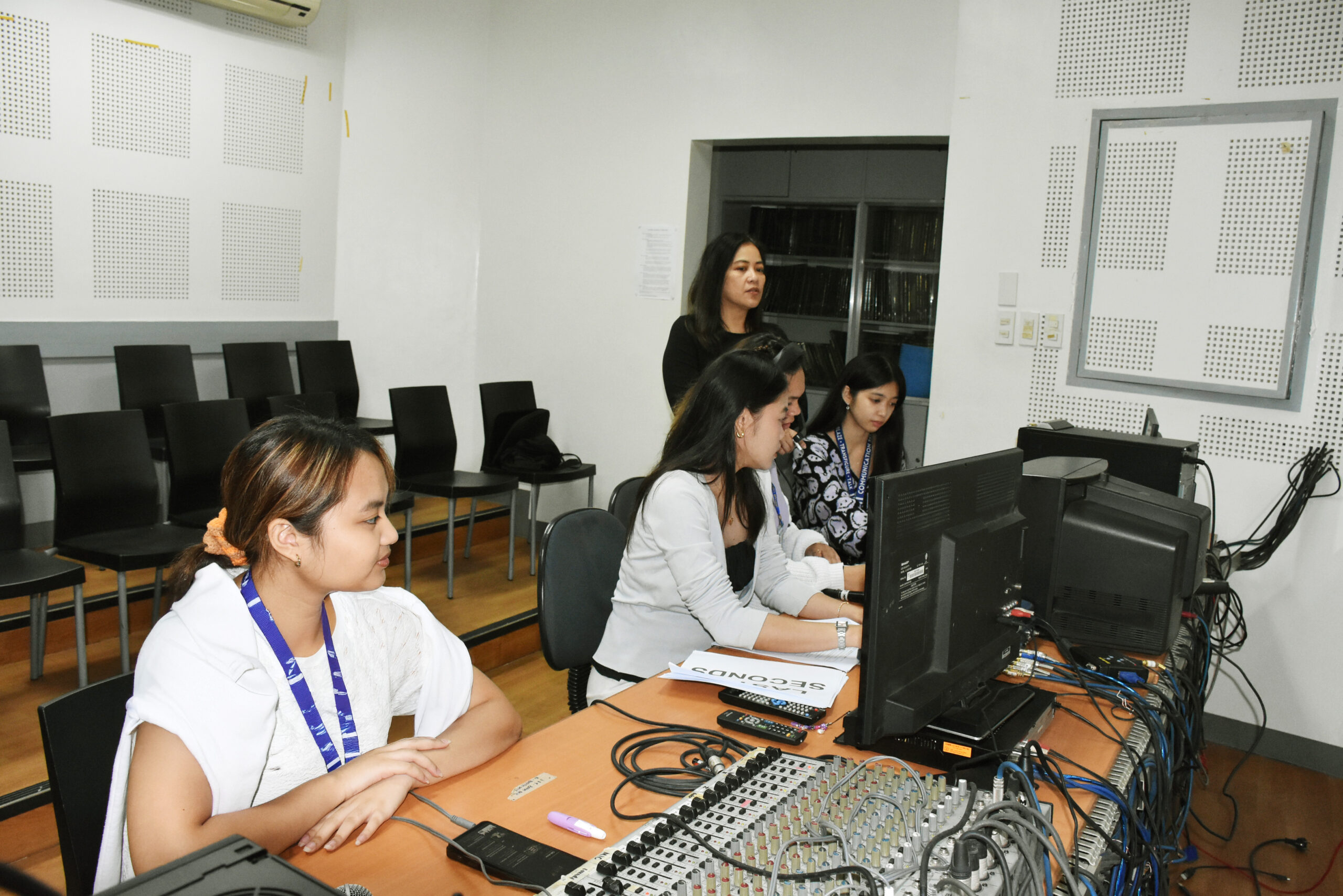
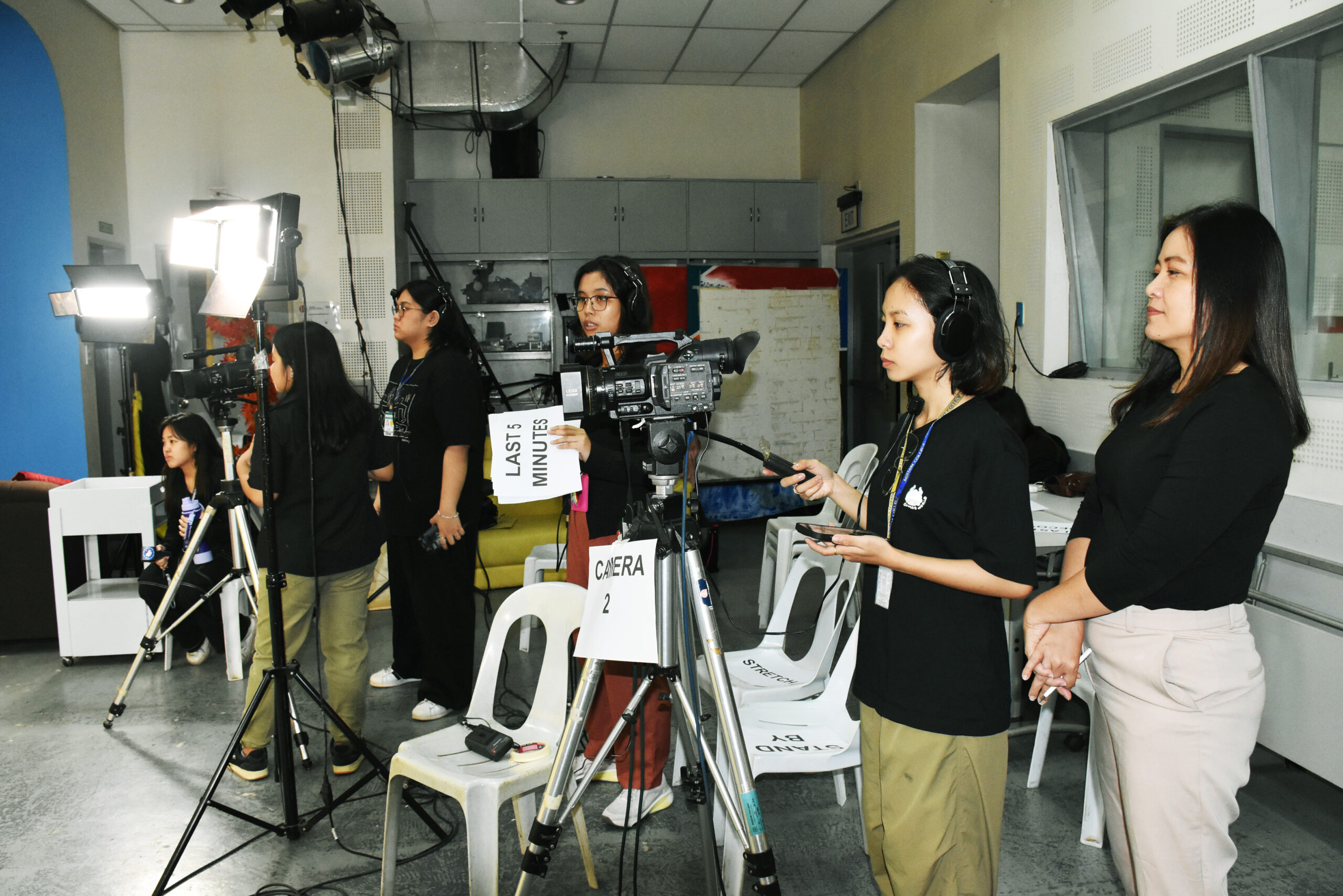
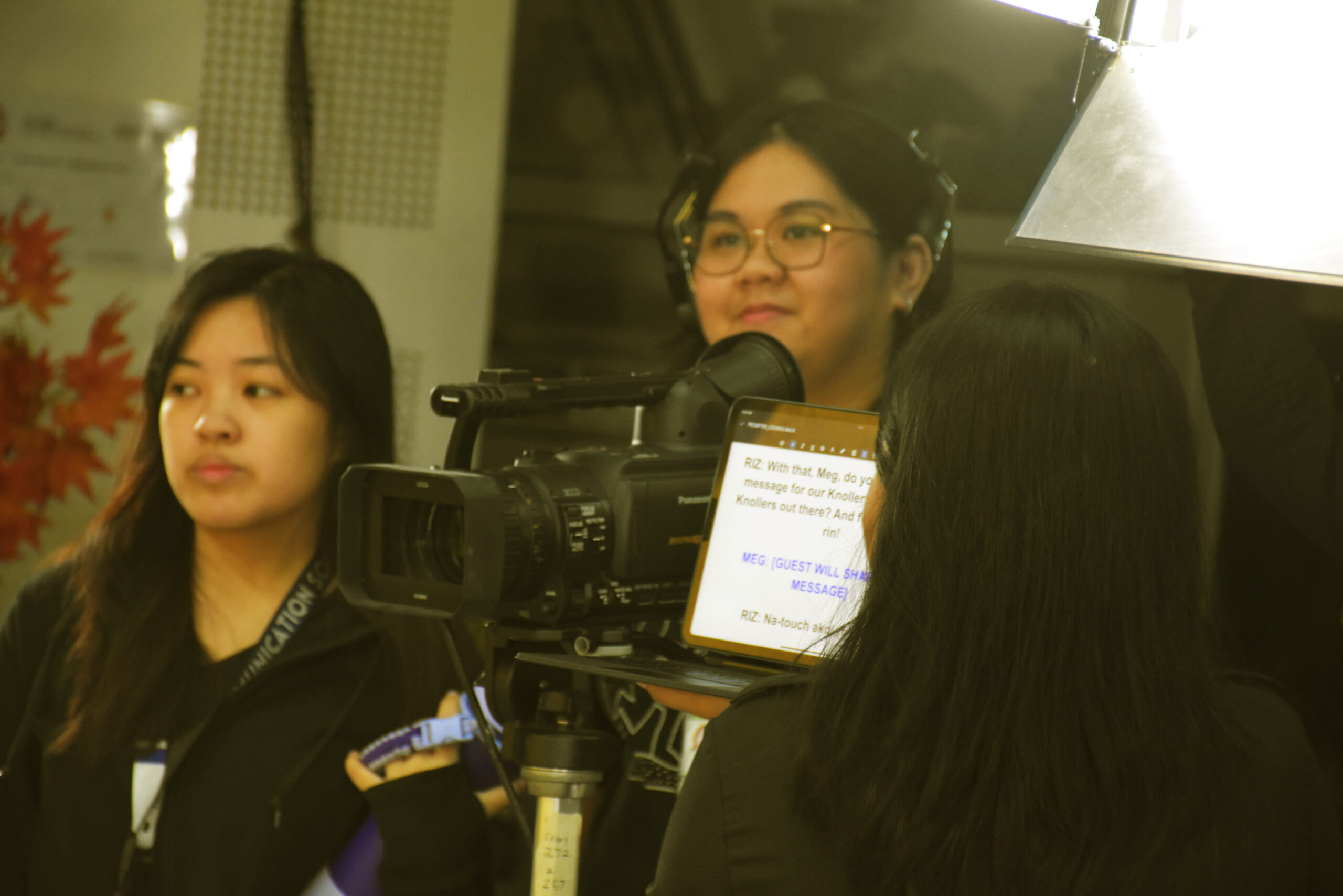
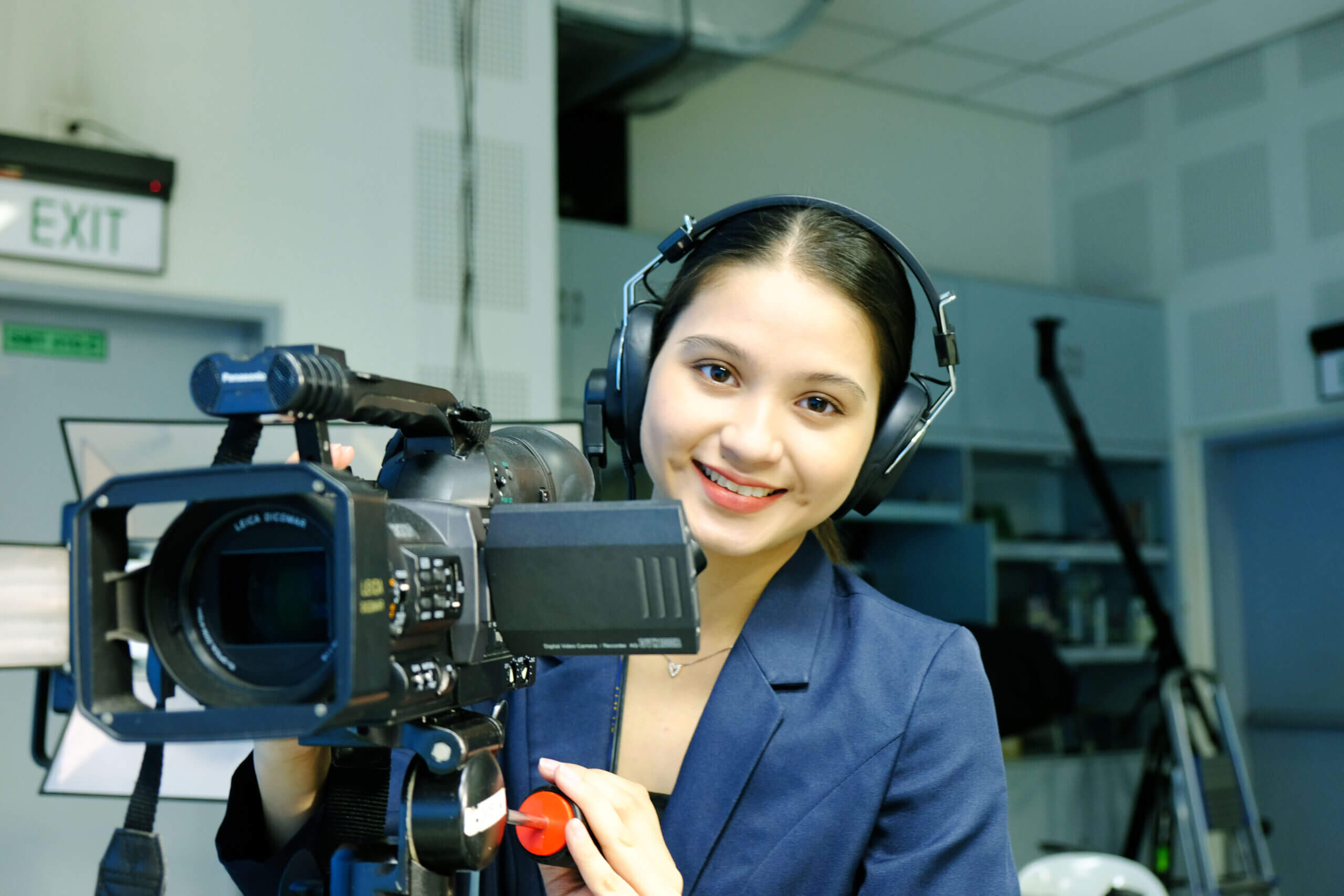
This course is concerned with the understanding of the nature of television as a medium of communication, and its production techniques and processes. Students are given the chance to study various program types and to produce these programs.
This course is an integration of the fundamentals of radio scriptwriting, production procedures, and techniques. Students are exposed to various radio program-types and are given the chance to conceptualize, plan, and produce these programs.
This course is a detailed study of the theory and practice of advertising. The preparation and implementation of concepts to media discourse are comprehensively discussed and taught in this course. Students are given the opportunity to prepare workable advertising programs.
This course is an introduction to the basic concepts, principles, and practices of public relations and its applications to education, government, business and industry, and other institutions. Practical applications to cases drawn from the context of Philippine public relations are discussed. The course also includes the application of communication theories to public relations, and the orientation on the role of public relations person as a change-agent.
This is an introductory course on film, in which film theories and film history are studied. The students are introduced to the language and grammar of film and are given the chance to apply the acquired knowledge through a final production output.
This course deals with organizational principles and practices related to the management of communication functions. The emphasis is on the management of human, financial, material, and information resources. This course will also allow the students to manage media enterprises, such as production and publishing houses, design studios, and other entrepreneurial fields.
An interdisciplinary course which seeks to examine the phenomenon of communication for development, the theories, concepts, approaches, and methodologies utilized by various agencies involved in the process of development and promotion of change, through communication. It seeks to study the basic communication policies and strategies related to the modernization and national development of Developing countries.
It involves the process of communicating effectively with valuable stakeholders prior to, during, and after the onset of risk situations. It also seeks to familiarize students with communication strategies used in humanitarian aid operations, which contribute to the protection of people and property in times of disasters or emergencies.
For information and other inquiries, you may reach Miriam College Alviera at admissions.alviera@mc.edu.ph.
Potential Careers
Graduates of this program may venture on the following careers:
- Teacher or School Administrator
- Data Analyst or Researcher
- Monitoring and Evaluation Specialist or Consultant
- Impact Evaluation Specialist
- Quality Assurance Specialist
CURRICULUM SUMMARY
Courses | |
| |
Total Number of Units | 15 |
Career Paths

Because we have a generalist curriculum, a student has an array of opportunities for their future communication-related careers might just find their passions in life. Depending on your interest, there are a number of industries where you can find your future niche:
Radio Production:
- Voice talent
- Radio Jock
- Podcast Content Creator
- Station Manager
- Writer
Film and Television Production:
- Actor
- Director
- Editor
- Producer
- Scriptwriter
- Story Developer
- Sound Designer
- Set Designer
- Floor Director
- Videographer
Advertising:
- Copywriter
- Art Director
- Creatives Head
- Accounts Manager
- Media Planner
Public Relations:
- Communications specialist
- Writer
- Brand/Organization Spokesperson
Integrated Marketing Communications:
- Researcher
- Sales
- Social media manager
- Events Management and Communication
Government and Development Communications
- Crisis communication
- Community and development communication
- Information officer
- Health, disaster, and environment communication
Activities
Meet the Faculty

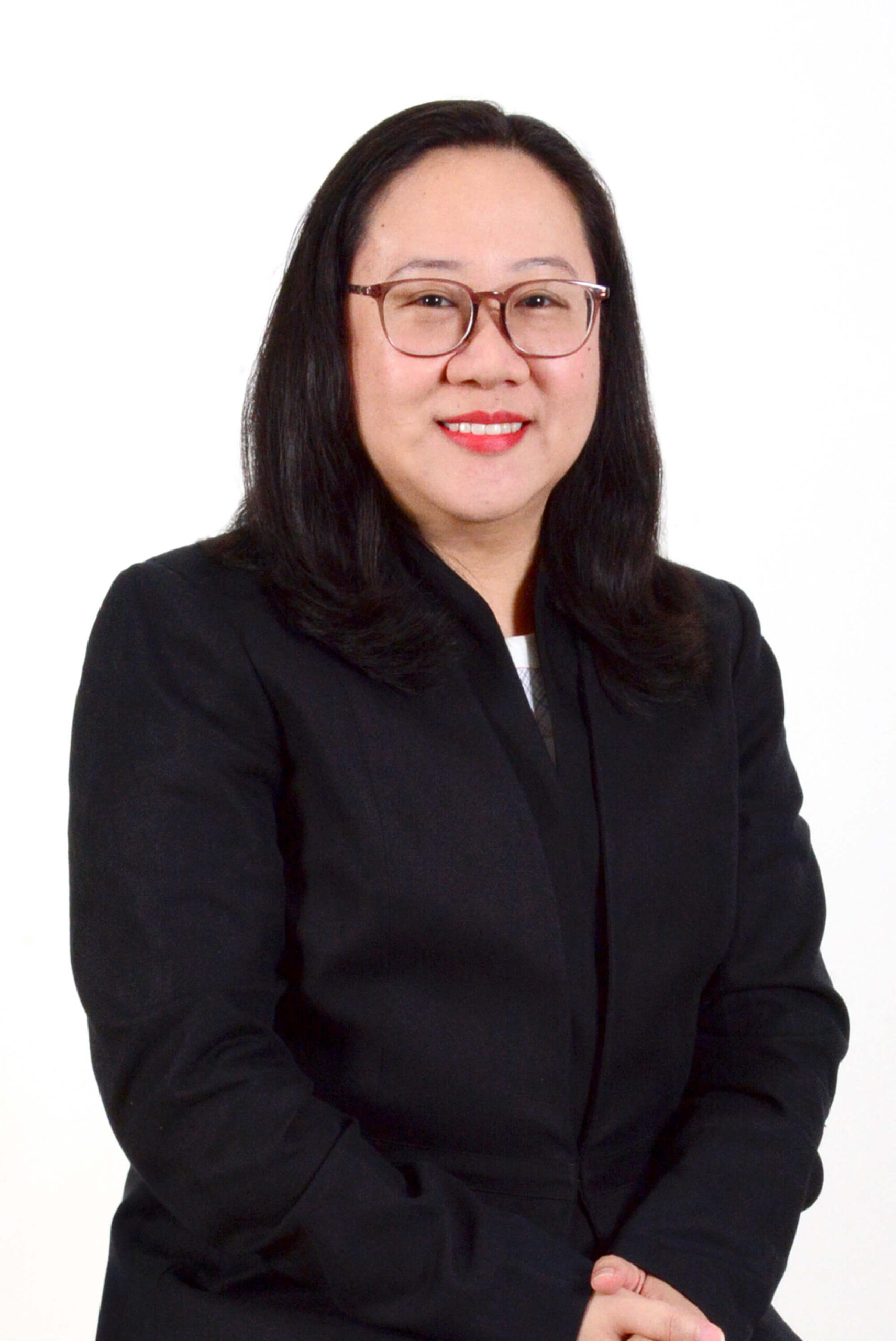
Mae Ann L. Chua, M.A.
Chairperson, Department of Communication (Undergraduate Program)
M.A. in Communication, Ateneo de Manila University
Assistant Professor
Communication Research, Communication for Development
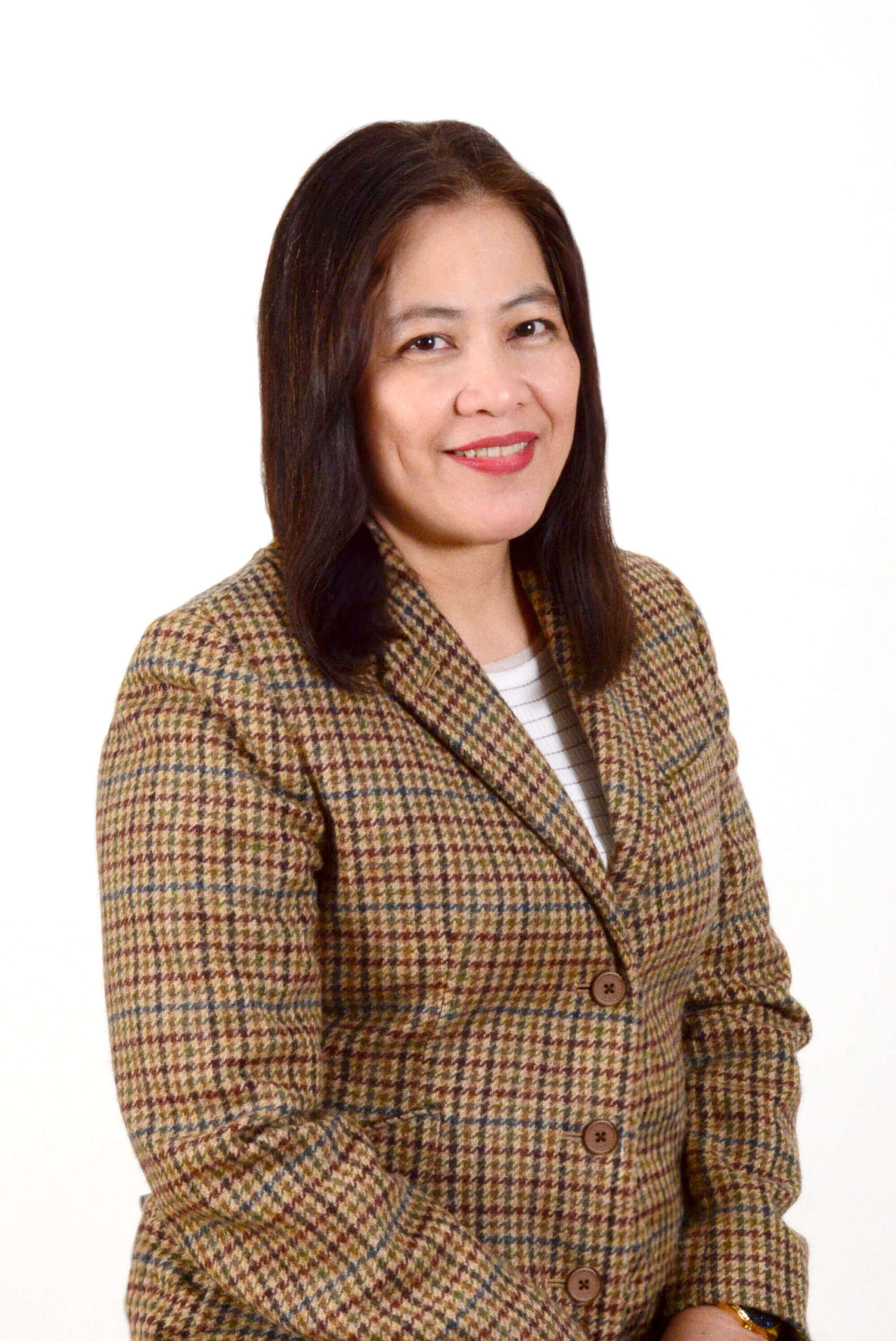
Nancy Galang-Concepcion, M.A.
Senior Lecturer
Master of Arts in Broadcast Communication, University of the Philippines
Television Production, Film Production
Kristine Joy De Leon
Lecturer
Bachelor of Arts in Communication Minor in Digital Media Production
Writing for Film
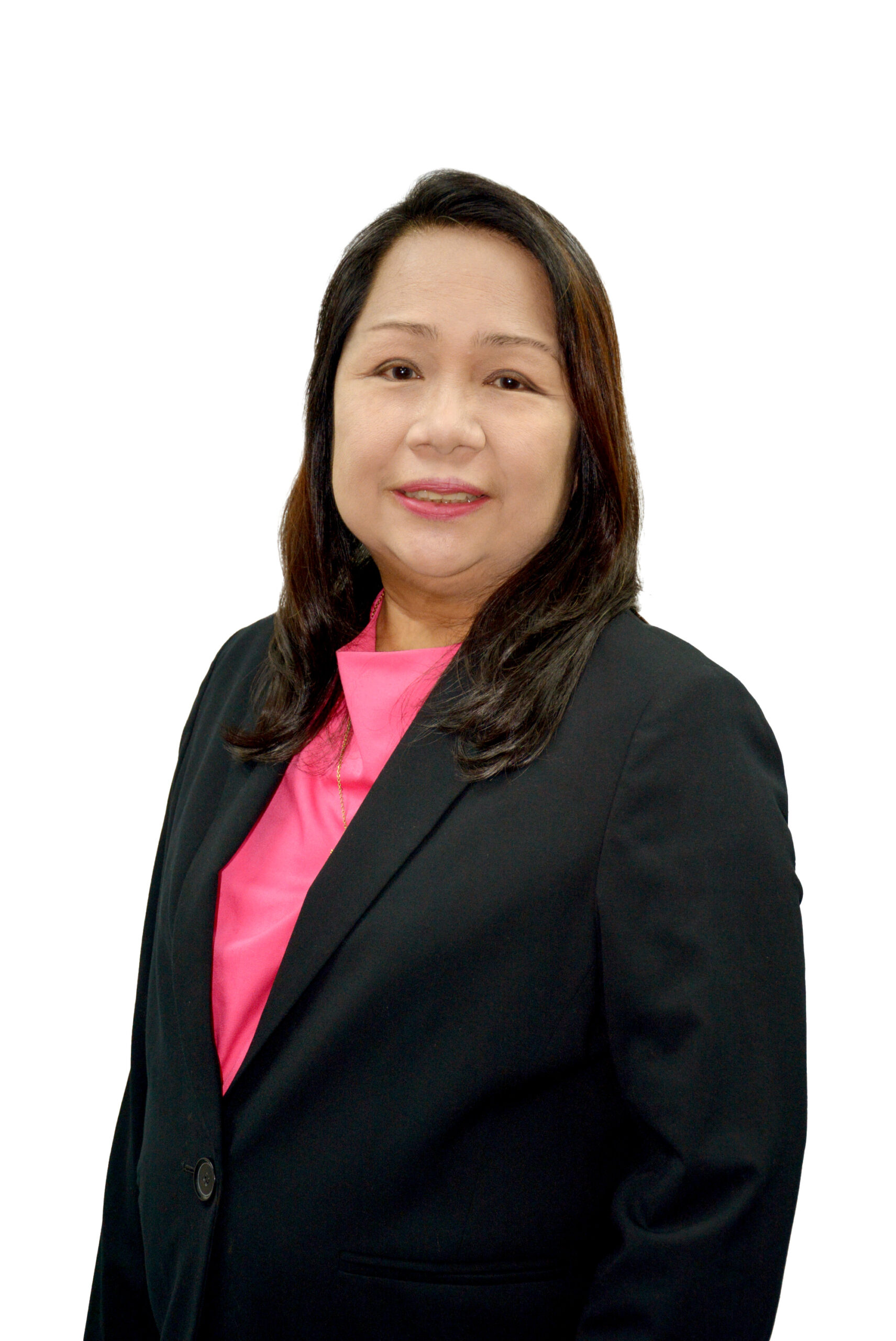
Lynda Catindig-Garcia, M.A
Associate Professor
Master of Arts in Communication, Ateneo de Manila University
Introduction to Communication Media, Gender and Communication, Events Management and Events Communication
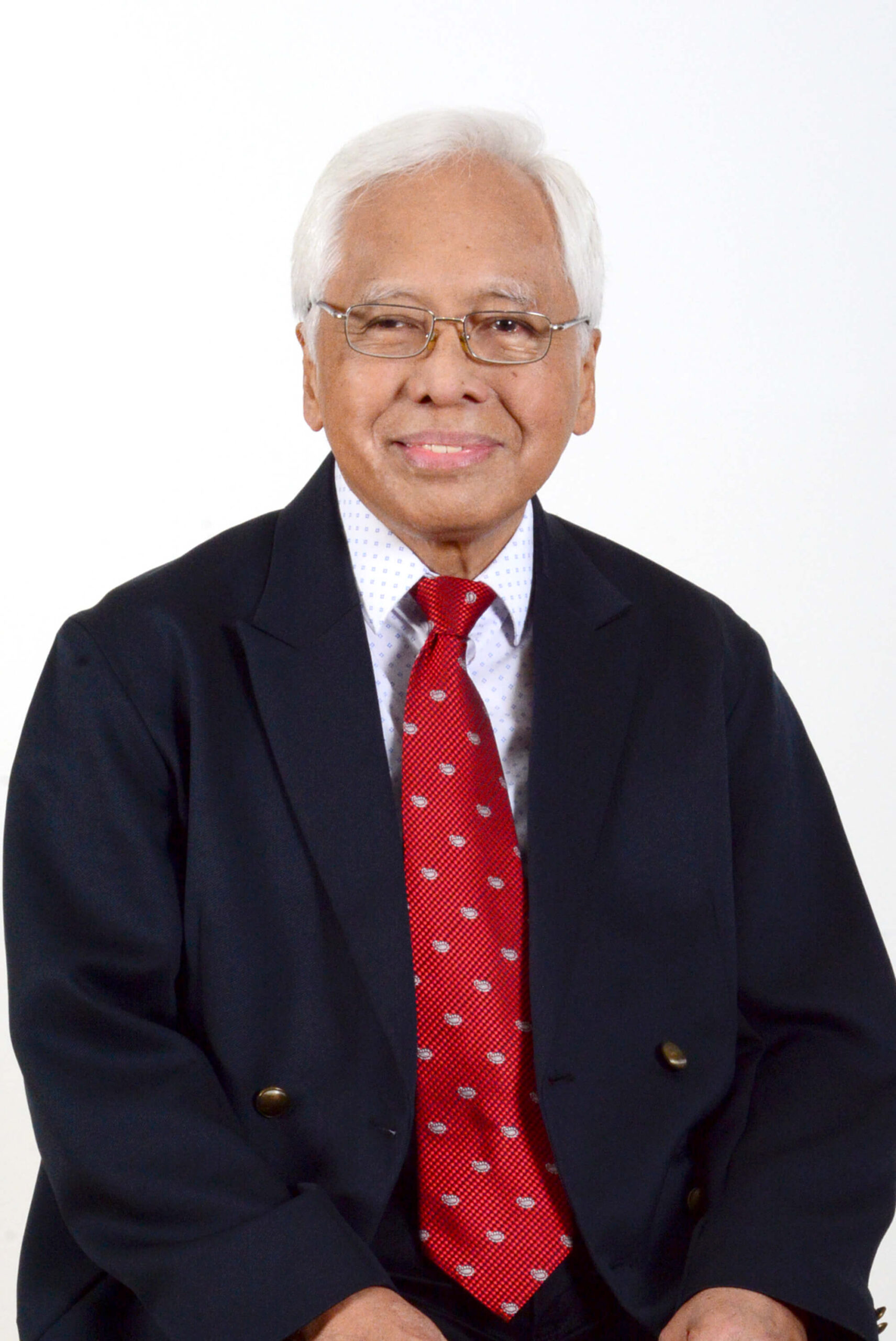
Reynaldo Guioguio, Ph.D.
Chairperson, Department of Communication (Graduate Program)
Ph.D. in Communication, University of Washington
M.A. in Communication Research, University of the Philippines Diliman
Professorial Lecturer
Communication Research
Jethro Joaquin
Lecturer
Bachelor of Arts in Theater Arts, University of the Philippines
Theater Arts and Appreciation, Digital Sound Production

Kristine Mae Oswald, M.A.
Senior Lecturer
Master of Arts in Women and Development Studies, University of the Philippines
Effective Presentation and Multimedia Techniques, Communication for Development
Cristina Belen Princesa
Senior Lecturer
Bachelor of Laws, Far Eastern University
Media Laws and Ethics
Therese Patricia San Diego-Torres, M.A.
Senior Lecturer
Master in Communication Management, Asian Institute of Journalism and Communication
Journalism, Communication Research, Communication for Development, Knowledge Management, Communication Planning
Rosario Sinon, M.A.
Senior Lecturer
Master of Arts in Integrated Marketing Communication, Miriam College
Introduction to Communication Media, Radio Production, Writing for Radio

Rechilda Ulili, M.A.
Senior Lecturer
Master of Arts in Integrated Marketing Communication, Miriam College
Effective Presentation and Multimedia Techniques, Communication for Development, Advertising, Integrated Marketing Communication
Nilo Yacat, M.A.
Senior Lecturer
Master of Arts in Journalism, Asian Institute of Journalism and Communication
Communication Planning, Knowledge Management, Communication Research, Communication for Development
Gilbeys Z. Sardea, LPT, M.A.
Senior Lecturer
Master of Arts in Designing Education, Goldsmiths University of London
Digital Filmmaking, Writing for Television

Marion Nina Nicole G. Goyena, M.A.
Senior Lecturer
Master in Communication, University of Santo Tomas
Events Communication and Events Management, Public Relations
Rosario Fortuno Barrios, M.A.
Senior Lecturer
Master of Arts in English Language and Literature Teaching, Ateneo de Manila University
Journalism