BACHELOR OF SCIENCE IN
Psychology

The Bachelor of Science in Psychology is a comprehensive program dedicated to the scientific study of behavior and mental processes. It equips students to critically examine human experience through a systemic lens, exploring the intricate ways in which biological, relational, and culturally situated factors influence psychological development and community wellness. As both a scientific discipline and a professional practice, Psychology strives to meet the complex needs of society. Graduates are trained to promote optimal functioning and holistic well-being at the individual, systemic, and macro-community levels through applied research, ethical education, and evidence-based interventions.
Program Outcomes

By the end of the program, graduates will be able to:
- Demonstrate the capability to discuss and analyze the major theories and concepts in psychology and situate them with other social sciences.
- Demonstrate and apply the methods of psychological research building knowledge on local culture and context
- Demonstrate capability for self-reflection and independent learning in various professional contexts.
- Demonstrate the ability to conduct psychological assessment and evaluation
- Demonstrate ability in human resource management and organizational analysis (e.g., Systems, application, and products).
- Demonstrate the ability to conduct basic psychosocial services (i.e., psychological first aid, mental health literacy, and group processing).
Key Competencies Developed
At the end of the BS Psychology program, students are expected to have a strong foundation in psychological theories and research, supported by competencies in the natural sciences. They develop advanced skills in psychological assessment, data analysis, and research design, as well as practical abilities in human resource management and psychosocial interventions. Graduates demonstrate critical thinking, ethical practice, and effective communication, enabling them to work in scientific, clinical, and organizational settings. They are self-aware, culturally sensitive, and prepared for lifelong learning and further studies in psychology, medicine, law, or related fields.
These competencies can be assessed through a variety of methods, including:
- 1st Year: Quizzes, written exams, reflection papers, journals, class discussions, group presentations, midterm and final exams
- 2nd Year: Case studies, experimental reports, laboratory exercises, short research projects, oral presentations, concept papers, midterm and final exams
- 3rd Year: field research projects, psychological assessment activities, laboratory experiments, internship evaluation, simulation exercises, role-plays, midterm and final exams.
- 4th Year:Â Group thesis, portfolio assessment, midterm and final exams
Total Program Units
BS Psychology: 141 units
Accreditation
This program has Level IV accreditation from the Philippine Accrediting Association of Schools, Colleges, and Universities (PAASCU). More Information >
Potential Careers

Graduates of the BS Psychology program can pursue careers as licensed psychometricians, human resource specialists, research analysts, or psychology instructors. They are also qualified to work as psychometricians, clinical or laboratory research assistants, organizational development associates, or mental health advocates. With their strong background in both psychology and the natural sciences, they are well-prepared for further studies in psychology, medicine, law, or management, and for careers in healthcare, education, and community service.
CURRICULUM SUMMARY
Courses | Units |
General Education Courses | 30 |
1.     ARTA 1001 (Art Appreciation) 2.     ETHC 1001 (Ethics) 3.     RIZL 1001 (Life and Works of Rizal) 4.     MATH 1001 (Math in the Modern World) 5.     PCOM 1001 (Purposive Communication) 6.     RIPH 1001 (Readings in Philippine History) 7.     STAS 1001 (Science, Technology and Society) 8.     CWOR 1001(The Contemporary World) 9.     SELF 1001 (Understanding the Self) 10. CCLT 1001 (Cross Cultural Literature) | |
General Education Elective Courses | 9 |
1.     GEEC 1001 (Nature, Culture and Spirituality) 2.     GEEC 1002 (Gender-Responsive and Entrepreneurial Mindsets for Innovative Thinking) 3.     GEEC 1003 (Peace and Justice in the Church and Society) | |
National Service Training Program | 6 |
1.     NSTP 1001 2.     NSTP 1002 | |
Physical Activity Towards Health and Fitness Courses | 8 |
1.     PFIT 1001 2.     PFIT 1002 3.     PFIT 1003 4.     PFIT 1004 | |
MC Required Courses | 6 |
2.     MSAA 1002 (Contemporary Moral Issues) | |
Core Courses | 8 |
| |
Professional Courses | 39 |
6.     BPSY 2006 (Cognitive Psychology) 7.     BPSY 2007 (Experimental Psychology) 5 units 8.     BPSY 2008 (Psychological Assessment) 5 units 9.     BPSY 2009 (Cultural Psychology/Sikolohiyang Pilipino) 10. BPSY 2010 (Social Psychology) 11. BPSY 3701 (Field Methods in Psychology) 5 units | |
Elective Courses (choose only two) | 6 |
1.     BPSY 2501 (Strategic Human Resource Management in Psychology) 2.     BPSY 2502 (Introduction to Counselling) 3.     BPSY 2503 (Family Psychology) 4.     BPSY 2504 (Health Psychology) 5.     BPSY 3501 (Seminar in Psychometrics) | |
Required Natural Science Courses | 20 |
1.     NSCI 1001 (General Zoology) 5 units 2.     NSCI 1002 (Human Anatomy) 5 units 3.     NSCI 1003 (Organic Chemistry) 5 units 4.     NSCI 1004 (Cell and Molecular Biology) 5 units | |
Thesis | 6 |
1.     BPSY 4998 (Research in Psychology I) 2.     BPSY 4999 (Research in Psychology II) |  |
Practicum | 3 |
·        BPSY 4801 (Practicum) |  |
Total Number of Units | 141 |
Â
Â
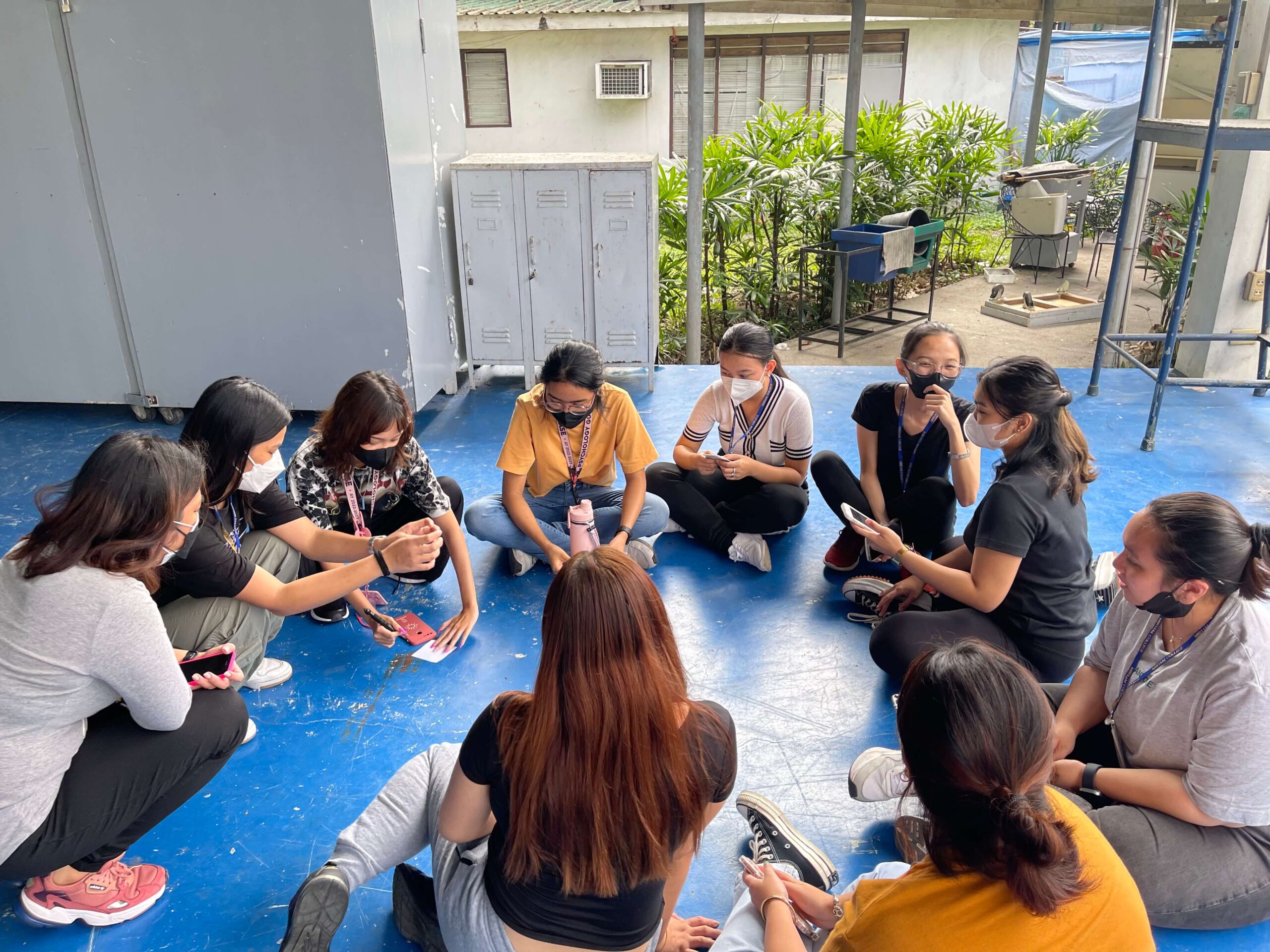
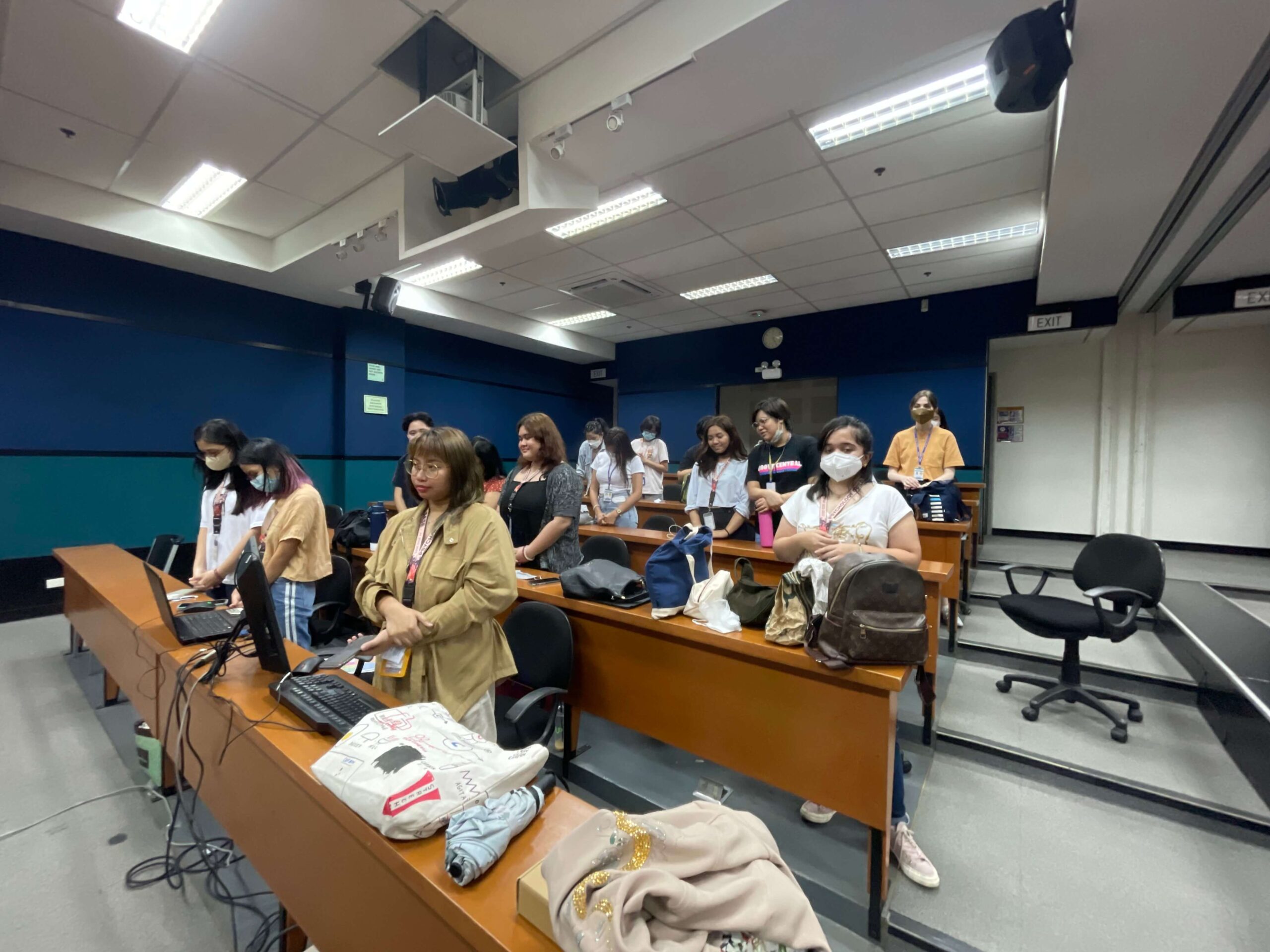
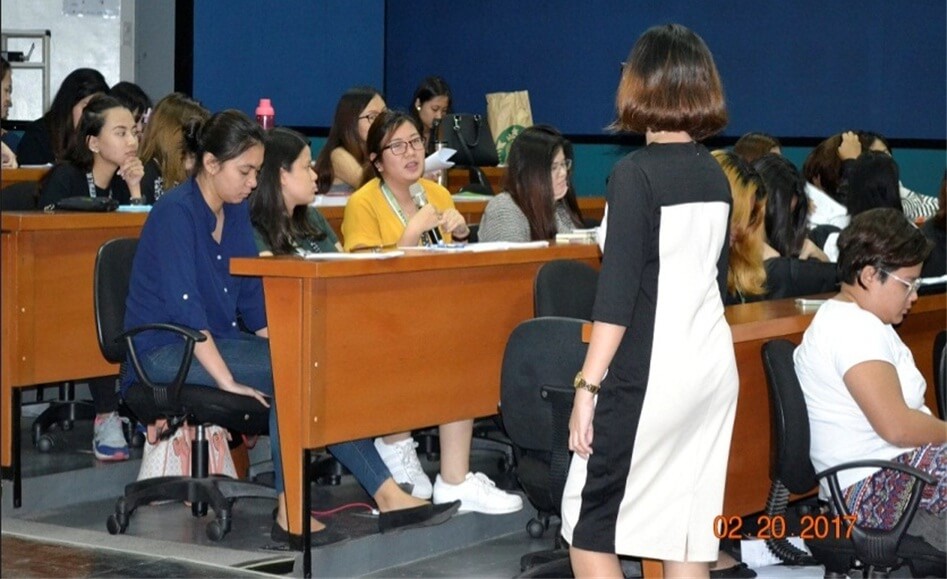
Activities
Meet the Faculty

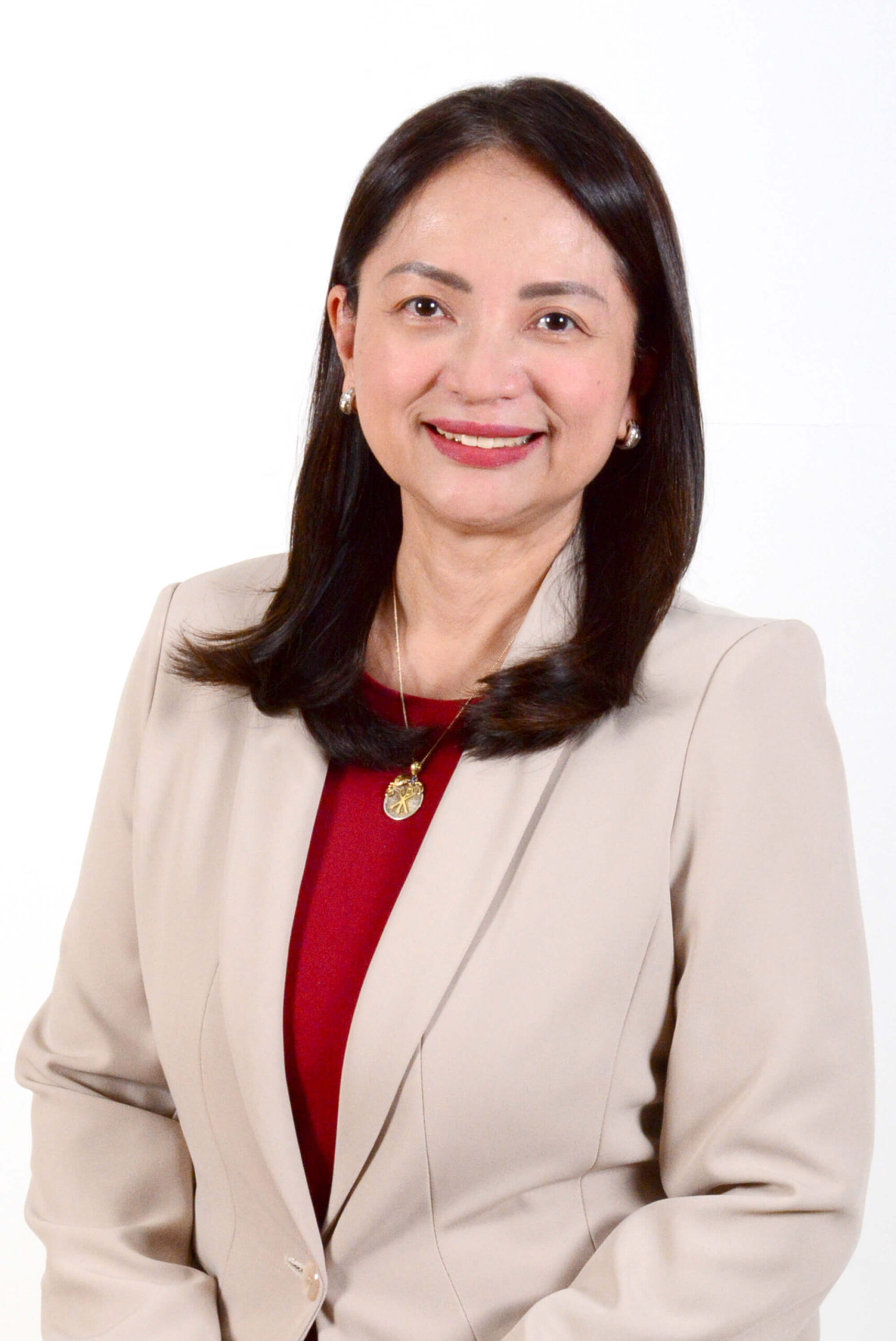
Gail Reyes-Galang, PhD, LPT, RPsy
Associate Professor
Ph.D. in Child and Family Studies, Miriam College
M.A in Counselling Psychology, Ateneo de Manila University
Child and Family Studies
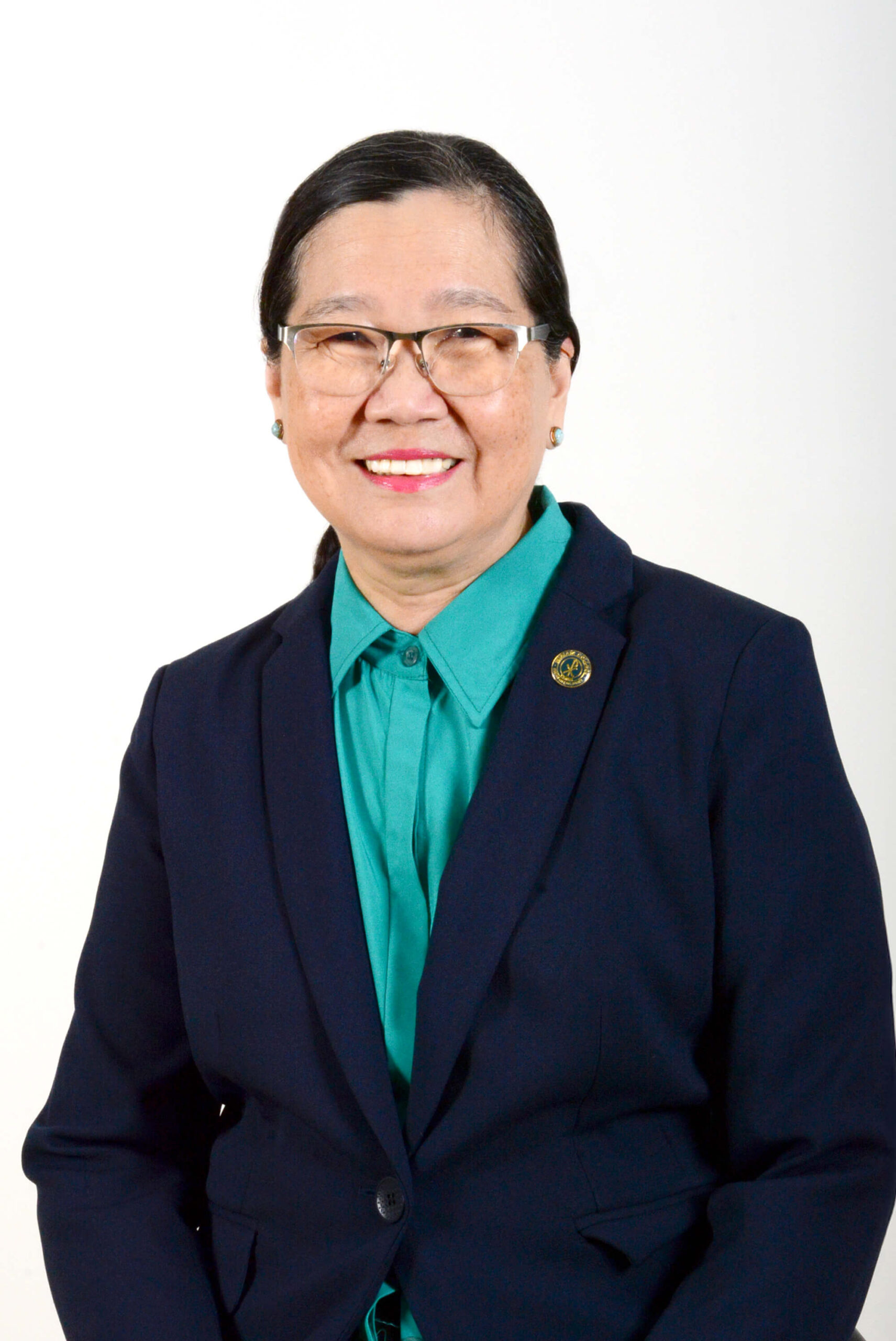
Maria Lourdes Quisumbing-Baybay, PhD
Professor
Ph.D. in Research and Evalution, University of the Philippines
M.A in Family Life, Miriam College
Research and Evaluation
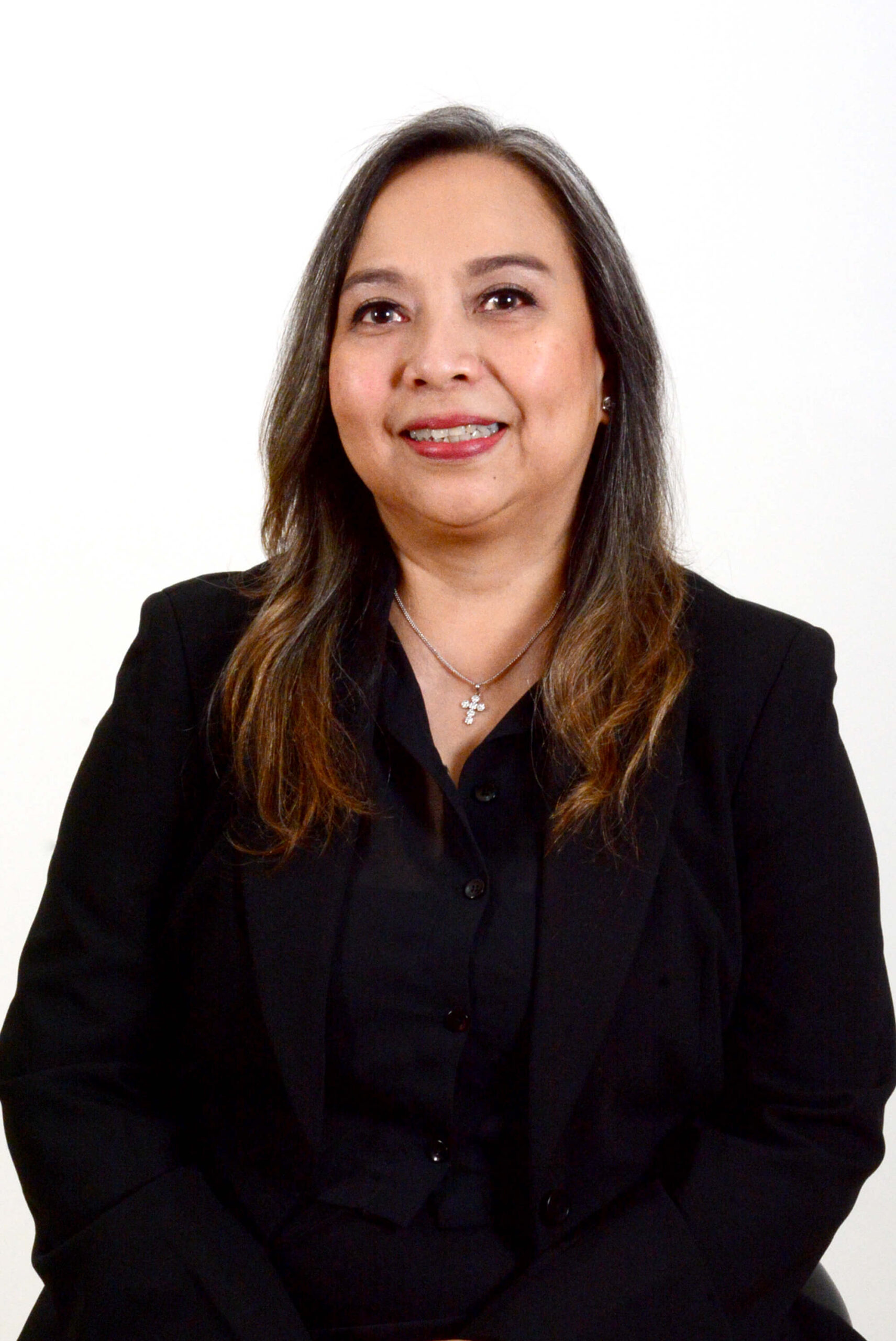
Ma. Paz A Manaligod, RPsy, RGC, LPT, PhD
Professor
Ph.D. in Child and Family Studies, Miriam College
M.S in Educational Measurement and Evaluation, De La Salle University
Child and Family Studies
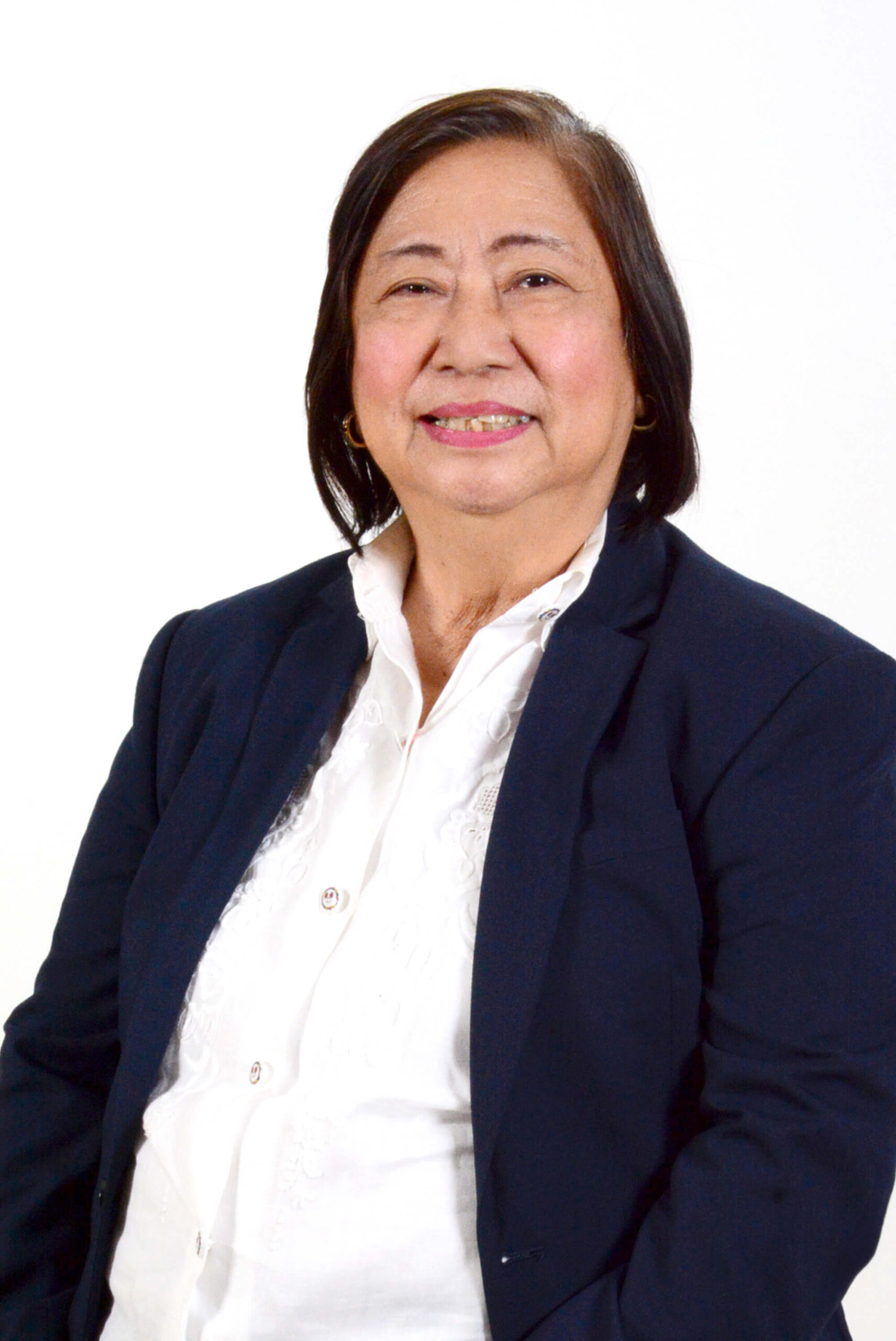
Victoria N. Apuan, Ph.D
Professor
PhD in Philippine Studies, University of the Philippines
MA in Women and Development, University of the Philippines
Society and Culture
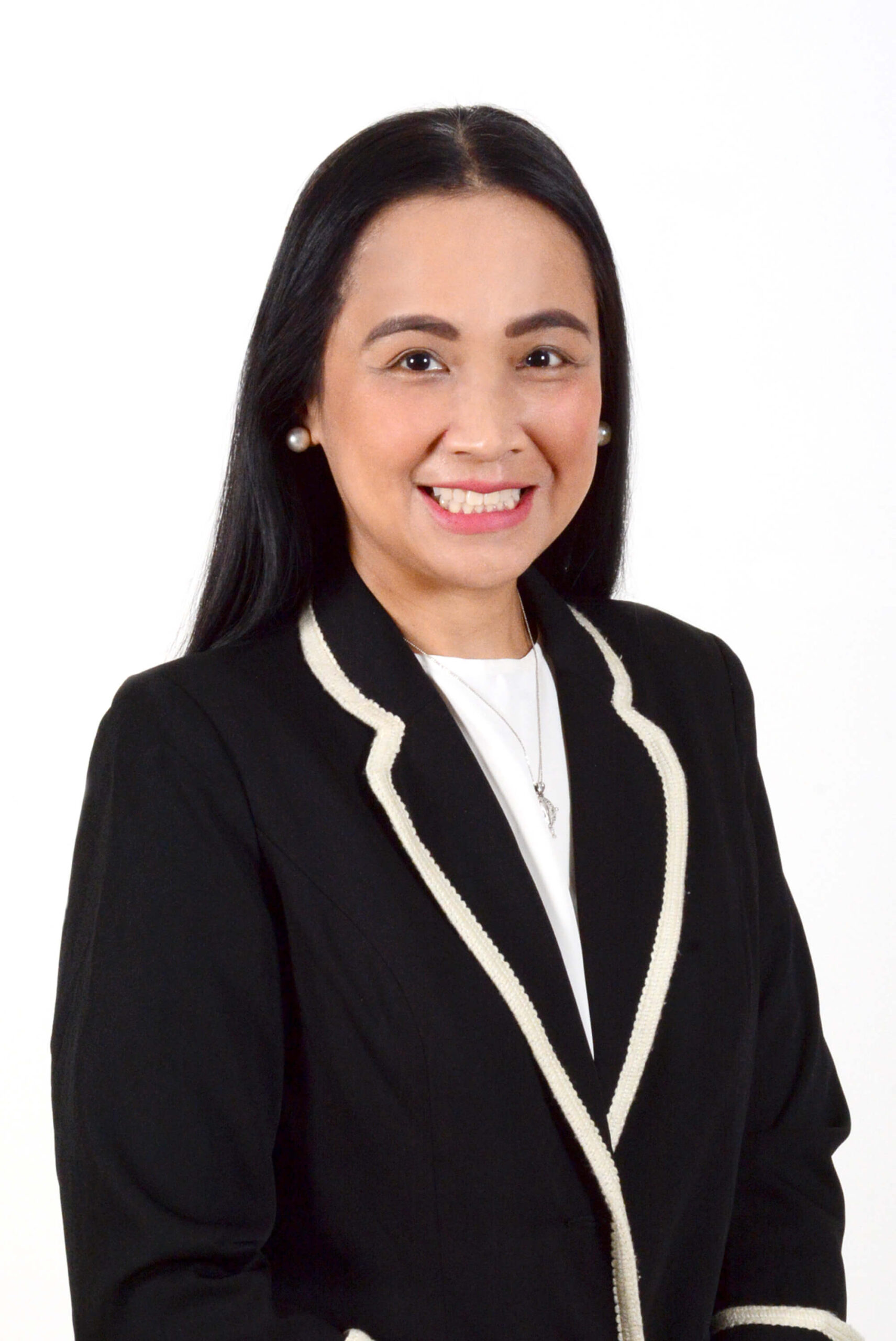
Joanne Salve O. Popanes, Ph.D., RGC, LPT
Professorial Lecturer
MA in Education major in Guidance and Counseling, Universidad de Santa Isabel, Naga City, Philippines
Ph.D. in Clinical Psychology, Ateneo de Manila University
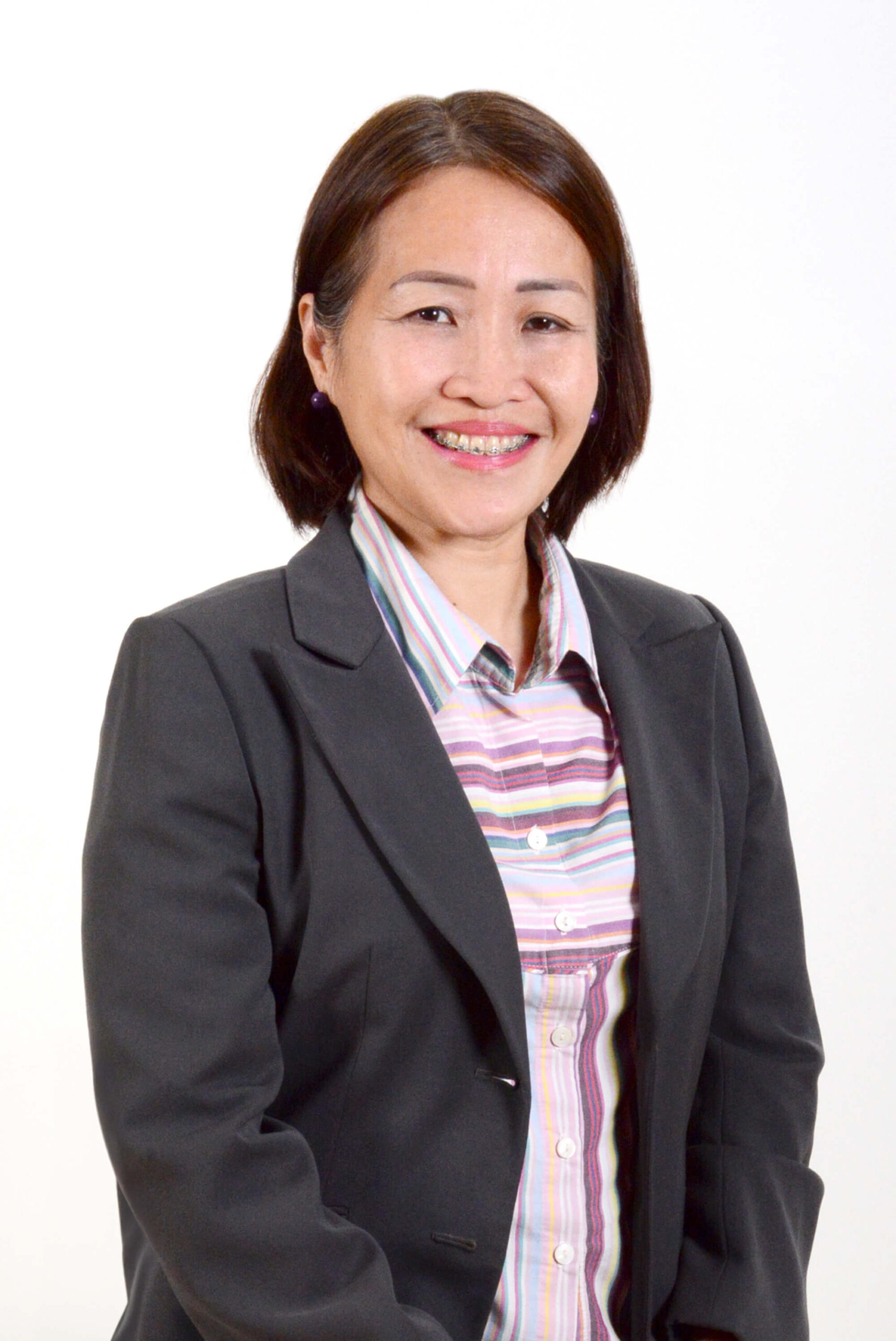
Clarissa Carmelita M. Ligon, Ph.D.
Associate Professor
MA in Special Education, De La Salle University
Ph.D. in Family Studies, Miriam College
Family Studies
Janet Sabandal-Gasis, DBA
Sr. Lecturer
M.A in Industrial Relations major in Human Resource Management, University of the Philippines
DBA in Buisness Management, San Beda University Manila
Business Management
Roselyn G. Dimasuay
Senior Lecturer
MA CE Guidance & Counselling, PACE Graduate School of Christian Education
Ph.D. in Developmental Psychology, Miriam College (Ongoing)
Developmental Psychology
Lissa Antoinette P. Mendoza
Senior Lecturer
MA in Psychology (Comprehensive exams only), Ateneo de Manila University
Straight PhD (ongoing) in Psychology Major in Clinical Psychology Minor in Developmental Psychology, University of the Philippines
Ann Christine Braga
Senior Lecturer
MA Educational Psychology, UP Diliman
PhD in Psychology, Ateneo de Manila University (Ongoing)
Johann Andrew Sagmit
Sr. Lecturer
MA in Psychology Major in Counseling, Ateneo de Manila University
Psychological Statistics
Guadalupe R. Isidro
Assistant Professor
MA in Pastoral Ministry Major in Spirituality and Retreat-Directing, Ateneo de Manila University
Rosalie S. Guerrero, MA
Sr. Lecturer
MA in Psychology major in Developmental Psychology, Miriam College
Developmental Psychology
Julla Katrina Jose
Sr. Lecturer
MA in Developmental Psychology, Miriam College
Veronica V. Ross
Post Graduate Degree in Applied Positive Psychology