Bachelor of
Child and Family Psychology with International Qualification

The Bachelor Child and Family Psychology with International Qualification program is designed to provide students with a comprehensive understanding of the psychological development and well-being of children and families. Through a combination of theoretical coursework, practical training, and research opportunities, students will gain the knowledge and skills necessary to support and promote the mental health of children and families in a community setting. The program covers topics such as child development, family psychology, basic intervention techniques, and ethical considerations in working with children and families. Graduates of this program will be prepared for careers in child and family advocacy, counseling, education, community development, research, and other related fields. Students will graduate with a bachelor’s degree in Child and Family Psychology with an international qualification from Camosun College.
Program Outcomes

By the end of the program, graduates will be able to:
- Demonstrate Miriam College’s core values to seamlessly blend Filipino cultural principles with a global perspective, enabling adept leadership, authentic engagement, and selfless service to diverse communities;
- Demonstrate the capability to discuss and analyze the major theories and concepts in psychology;
- Demonstrate capability for self-reflection and independent learning in various professional contexts;
- Demonstrate the ability to conduct basic psychosocial services (i.e., psychological first aid, basic therapeutic interventions);
- Use principles of social justice as a foundation for practice and to enhance the quality of life of children, youth, adults, and families;
- Work effectively and proactively within groups, systems, and organizations to enhance the quality of services and resources for children, youth, and adults;
- Contribute to the development, implementation, and evaluation of integrated support plans for children, youth, and adults;
- Demonstrate interpersonal competence and establish and maintain positive working relationships with and between individuals, families, community partners, and the systems that support them;
- Use knowledge of human and social development across the lifespan to effectively support children, youth, adults, and families;
- Collaborate with others to support children, youth, and adults with diverse and changing emotional, physical, and health care needs; and
- Practice ethically and responsibly and demonstrate a commitment to personal and professional accountability.
Key Competencies Developed
By the end of the program, graduates will be able to develop the following key competencies:
- Strong understanding of child growth and development, including emotional and psychological changes;
- Knowledge of family dynamics and how different family structures and relationships affect a child’s development and mental health;
- Skills in assessing the psychological well-being of children and families using various evaluation tools and methods;
- Training in basic intervention techniques to promote mental health and well-being in children and families;
- Understanding of important ethical issues and cultural differences to provide respectful and appropriate care; and
- Development of research skills to conduct studies, analyze information, and apply findings to better support children and families.
These competencies can be assessed through a variety of methods, including:
- First-Year Students: reflective journals, group discussions, quizzes and tests, short papers to explore specific aspects of child development;
- Second-Year Students: case study analysis, role-playing exercises, simple research projects, peer reviews to promote collaborative learning and feedback;
- Third-Year Students: field practicum reflections, research proposals, presentations of individual or group output; and
- Fourth-Year Students: capstone projects, portfolio assessments, mentorship evaluations, group or individual research.
Potential Careers
Graduates may work independently and/or as a member of an interdisciplinary team and will be accountable to individuals or community organizations. Community and team environments could include family support services, schools and after school programs, family resource
centers, life skills and recreation programs, youth services, women’s services, employment training programs, community outreach, foster care, and group homes.
CURRICULUM SUMMARY
| Courses | Units | ||||||||||||||||||||||||||||||||||||||||||||||||||||||||||||||||||
|---|---|---|---|---|---|---|---|---|---|---|---|---|---|---|---|---|---|---|---|---|---|---|---|---|---|---|---|---|---|---|---|---|---|---|---|---|---|---|---|---|---|---|---|---|---|---|---|---|---|---|---|---|---|---|---|---|---|---|---|---|---|---|---|---|---|---|---|
| General Education Courses | 21 | ||||||||||||||||||||||||||||||||||||||||||||||||||||||||||||||||||
Miriam College
| |||||||||||||||||||||||||||||||||||||||||||||||||||||||||||||||||||
| Elective Courses (choose only one) | 3 | ||||||||||||||||||||||||||||||||||||||||||||||||||||||||||||||||||
Camosun College
| |||||||||||||||||||||||||||||||||||||||||||||||||||||||||||||||||||
| Miriam College Required Courses | 1 | ||||||||||||||||||||||||||||||||||||||||||||||||||||||||||||||||||
| |||||||||||||||||||||||||||||||||||||||||||||||||||||||||||||||||||
| Core Courses | 21 | ||||||||||||||||||||||||||||||||||||||||||||||||||||||||||||||||||
Miriam College
| |||||||||||||||||||||||||||||||||||||||||||||||||||||||||||||||||||
| Professional Courses | 68 | ||||||||||||||||||||||||||||||||||||||||||||||||||||||||||||||||||
Miriam College
| |||||||||||||||||||||||||||||||||||||||||||||||||||||||||||||||||||
| Practicum | 12 | ||||||||||||||||||||||||||||||||||||||||||||||||||||||||||||||||||
Camosun College
| |||||||||||||||||||||||||||||||||||||||||||||||||||||||||||||||||||
| Total Number of Units | 126 | ||||||||||||||||||||||||||||||||||||||||||||||||||||||||||||||||||
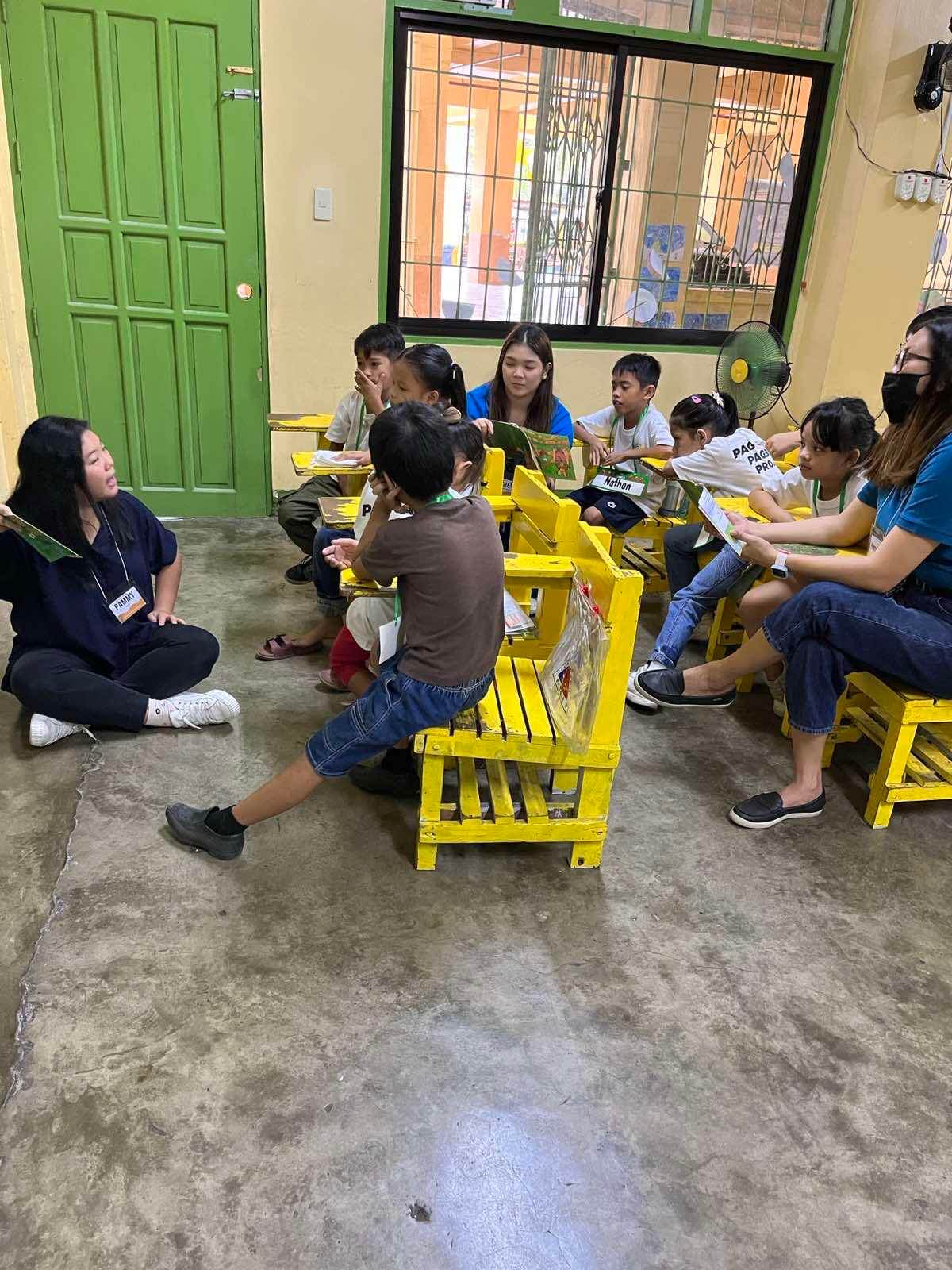
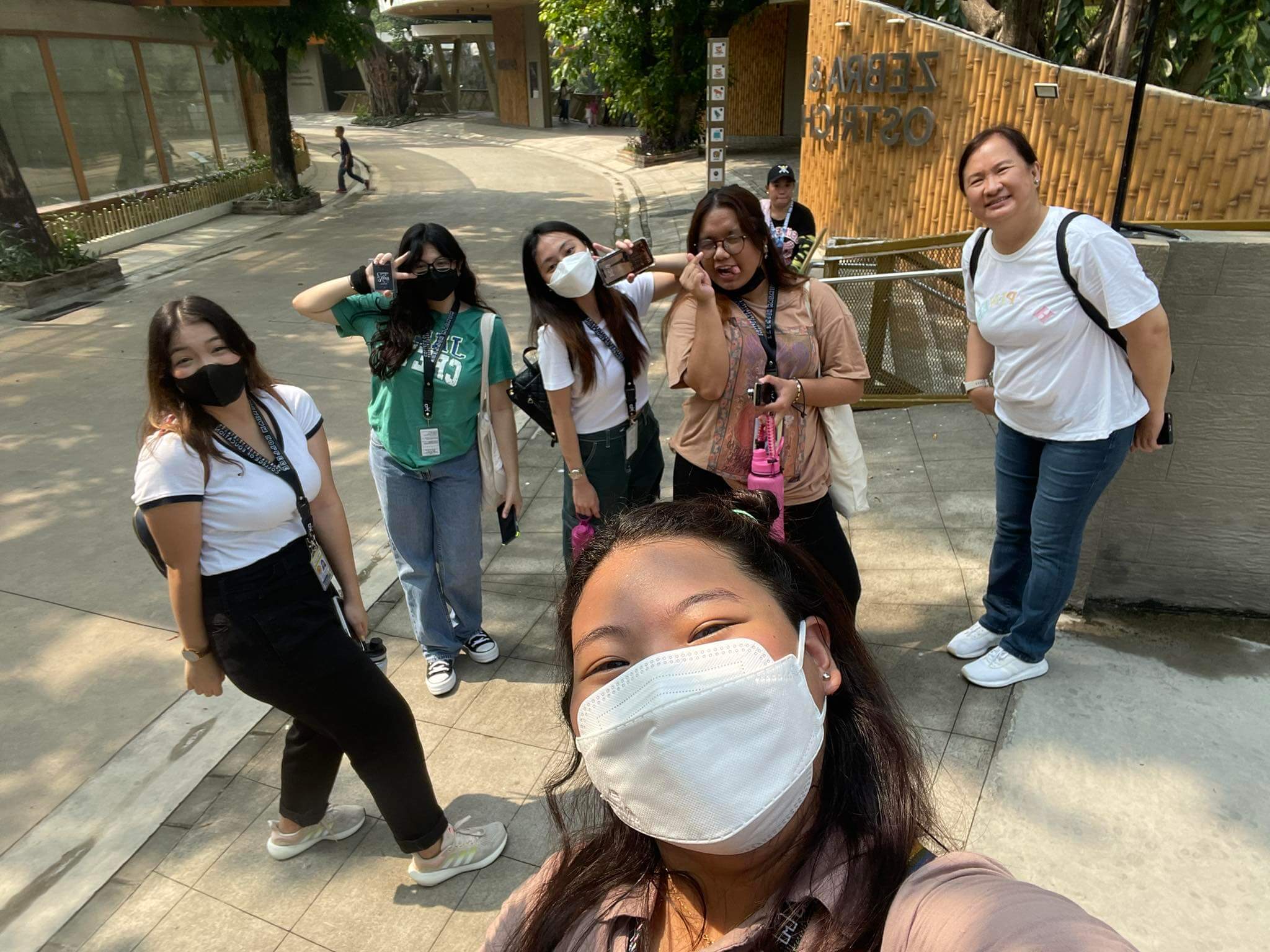
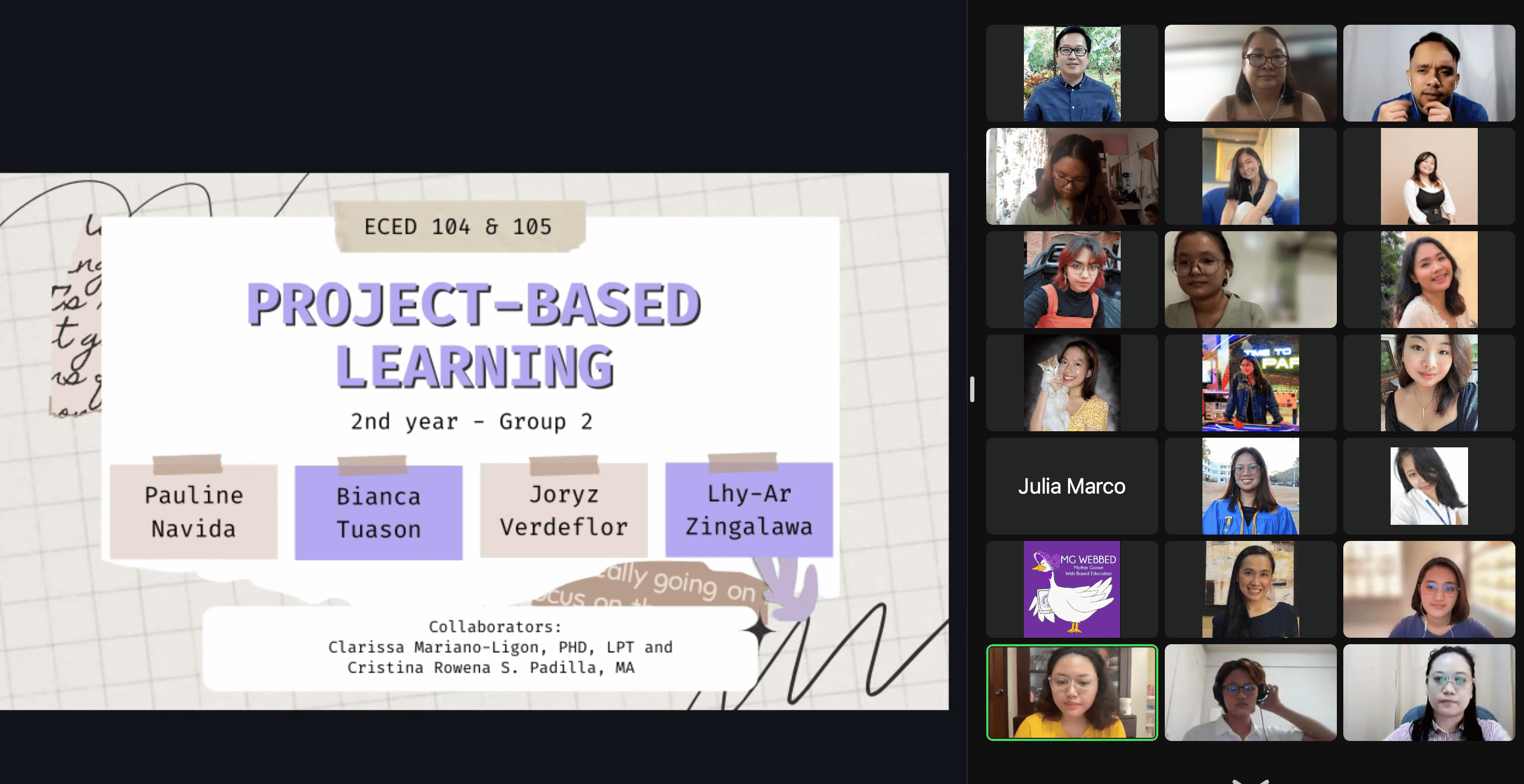
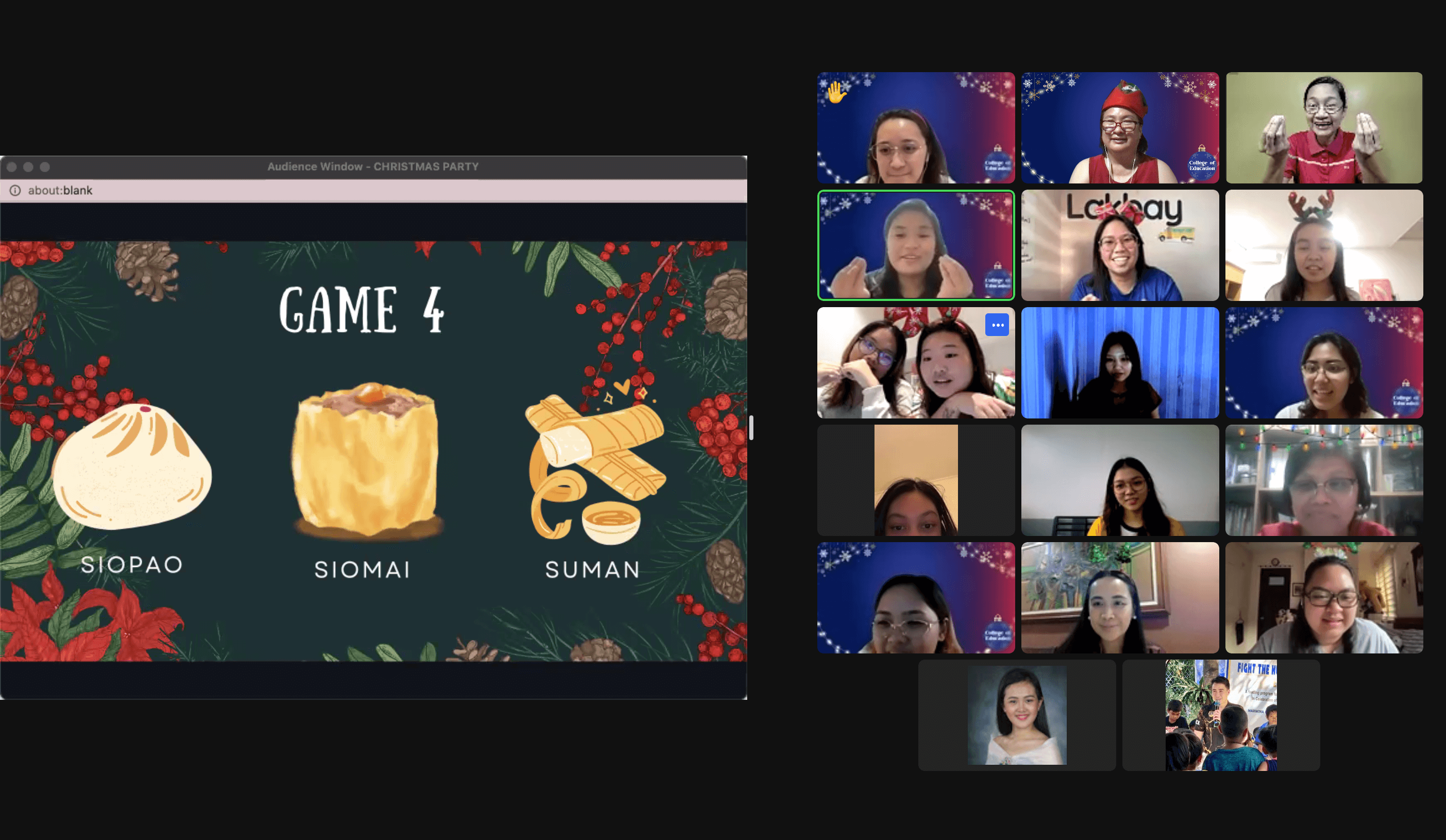
Activities
Meet the Faculty

Marie Rose A. Yuzon, MAEd, LPT, MADE
Associate Professor
MA in Basic Education major in Preschool Ed, Ateneo de Manila University
MA Designing Education, Goldsmiths University of London
Early Childhood Education
April Easter U. Macan, MFLCD
Sr. Lecturer
Master of Family Life and Child Development, UP Diliman
Early Childhood Development, Family Education
Michelle T. Banzon-Godoy, M.Ed.
Master of Education with a major in E-Learning, Miriam College
E-Learning
Joyce T. Bruno, M.Ed, LPT
Sr. Lecturer
Masters in Early Childhood Education, Miriam College
Early Childhood Education
Mark Kenneth S. Camiling, MAEd
Sr. Lecturer
MA Education (Health Education), UP Diliman
Doctor of Philosophy in International Development (Education and Human Resource Development, Nagoya University, (candidate)
Health Education, Research

Evalyn Hizon, Ph.D.
Professorial Lecturer
Masters in Home Economics, UP Diliman
PHD in Philippine Studies Major in Psychology, Anthropology and Social Work, UP Diliman
Early Childhood Education, Family Life and Child Development

Clarissa Carmelita M. Ligon, Ph.D., LPT
Associate Professor
MA in Special Education, De La Salle University Taft
Ph.D in Family Studies, Miriam College
Early Childhood Education, Special Education, Family Studies, Teacher Training

Ryan M. Noleal, LPT, MAEd, MLST
Sr. Lecturer
Master of Arts in Education (Curriculum Studies), University of the Philippines
Master in Learning Sciences and Technology, University of Sydney
Learning Design, Curriculum Studies, Science Teaching

Geraldine C. Oris, MA, RPsy, LPT
Sr. Lecturer
MA Developmental Psychology, Ateneo de Manila University
PhD (Candidate) in Education major in Curriculum Studies, UP Diliman
Early Childhood Education

Cristina Rowena S. Padilla, MA, LPT
Sr. Lecturer
MA in Psychology, Ateneo de Manila University
Ph.D. (ongoing)
Literacy, Special and Inclusive Education
Bettina Ramos-Luciano,
Sr. Lecturer
Master of Education major in Curriculum and Teaching

Katherine Joy N. Santos, MGC, RGC
Sr. Lecturer
Master in Guidance and Counseling, Miriam College
Foundations of Guidance and Early Childhood Guidance and Counseling

Ramona Magdalena F. Victoria, MA Ed
Sr. Lecturer
Master in Education major in Childhood Education, Miriam College
Early Childhood Education

Maria Leonor G. Yap, MA
Sr. Lecturer
Masters of Family Life and Child Development, University of the Philippines, Diliman
Child Development