Master of Education in
Measurement and Evaluation
The Master of Measurement and Evaluation (Professional) is a program that focuses on developing proficiency in the design, implementation, and interpretation of various types of assessments and evaluations. Students in this program learn how to collect data, use statistical tools, apply qualitative and quantitative research methods, and utilize learning analytics to evaluate the outcomes of different interventions or programs.
Quantitative research designs, parametric statistics, empirical methods of data collection and interpretation, and measurement issues in research are examined. Students will conduct analyses using primarily SPSS.
This course provides the technical knowledge necessary for test construction and responsible test use. The main emphasis of the course is the understanding of the theoretical concepts and logic underlying standard test construction and their applications to real data. As part of the course, students will construct a test, refine it, collect data, analyze, and interpret the results.
This course discusses methodologies associated with qualitative research practices, including observations, field notes, interviews, data interpretation and analysis.
This course introduces students to the theory and application of program evaluation, emphasizing a range of evaluation goals and designs. Theories and basic issues of evaluation design, data collection, interpretation, and communication of results of program evaluation are discussed.
This course includes selected topics in educational research and evaluation and in-depth exploration of contemporary problems of measurement and research.
This course focuses on the current practices and issues related to any of the following: student-centered assessment, implementing self and peer assessment, implications of communication and information technology on assessment, developing inclusive assessment practices, and the like.
PROGRAM OUTCOMES
By the end of the program, graduates will be able to   Â
- demonstrate an in-depth understanding of research design, assessment, and evaluation for use in different educational settings;
- analyze and create relevant program designs and evaluation instruments for the community;
- conduct better assessment and evaluation in the field of education;
- design innovative solutions to existing challenges in measurement and evaluation;
- promote ethical and culturally responsive practices in designing and interpreting assessment and evaluation; and
- adapt emerging trends and technology to enhance measurement practices.
Key Competencies Developed:
By the end of the program, graduates will be able to develop the following key competencies:
- Test Construction, Data Interpretation, and Reporting
- Program Assessment and Evaluation
- Contextual Awareness
- Critical Thinking and Problem Solving
- Technology Integration
- Ethics and Professional Standards
Â
These competencies can be assessed through a variety of methods, including the following:
- First Semester: Designing an evaluation framework
- Second Semester: Proposing a project that is an innovation to the existing programs in their profession
- Midyear (Final Term): Implementing the project and completion of the final paper
Potential Careers
Graduates of this program may venture on the following careers:
- Teacher or School Administrator
- Education Assessment Specialist
- Data Analyst or Researcher
- Monitoring and Evaluation Specialist or Consultant
- Program Manager or Coordinator
- Public Policy Analyst
- Impact Evaluation Specialist
- Quality Assurance Specialist
CURRICULUM SUMMARY
Courses | Units |
MC Required Courses | 1 |
 | |
Core Courses | 15 |
 | |
Professional Courses | 9 |
 | |
Capstone Course | 6 |
 | |
Total Number of Units | 31 |
Scholarship
Scholarship is available to eligible applicants for the 2nd Semester, SY 2019-2020. The scholarship will cover tuition, basic and miscellaneous fees for the entire duration of the program (January 2020 – May 2021). This is in partnership with the Center for Educational Measurement, Inc.
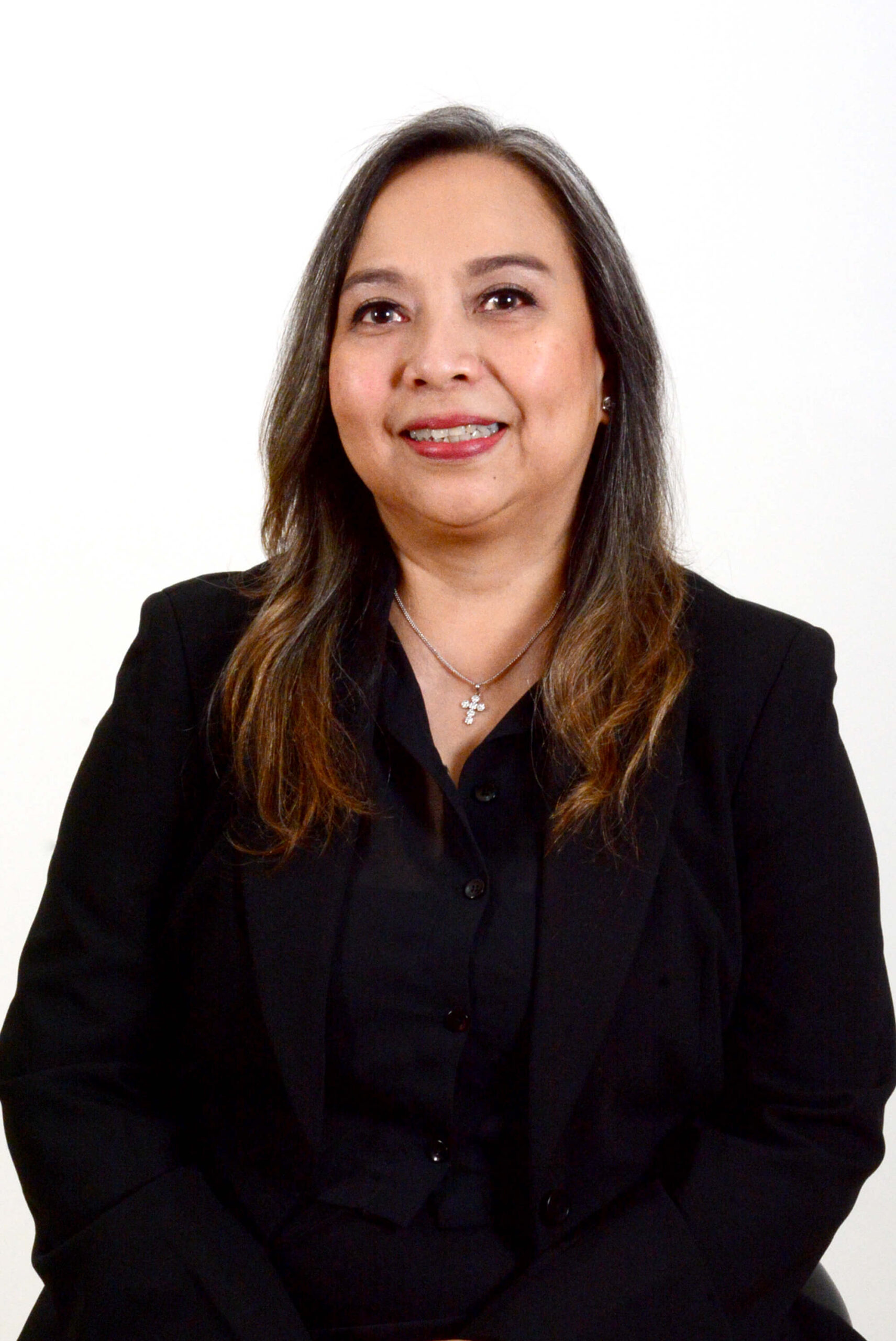
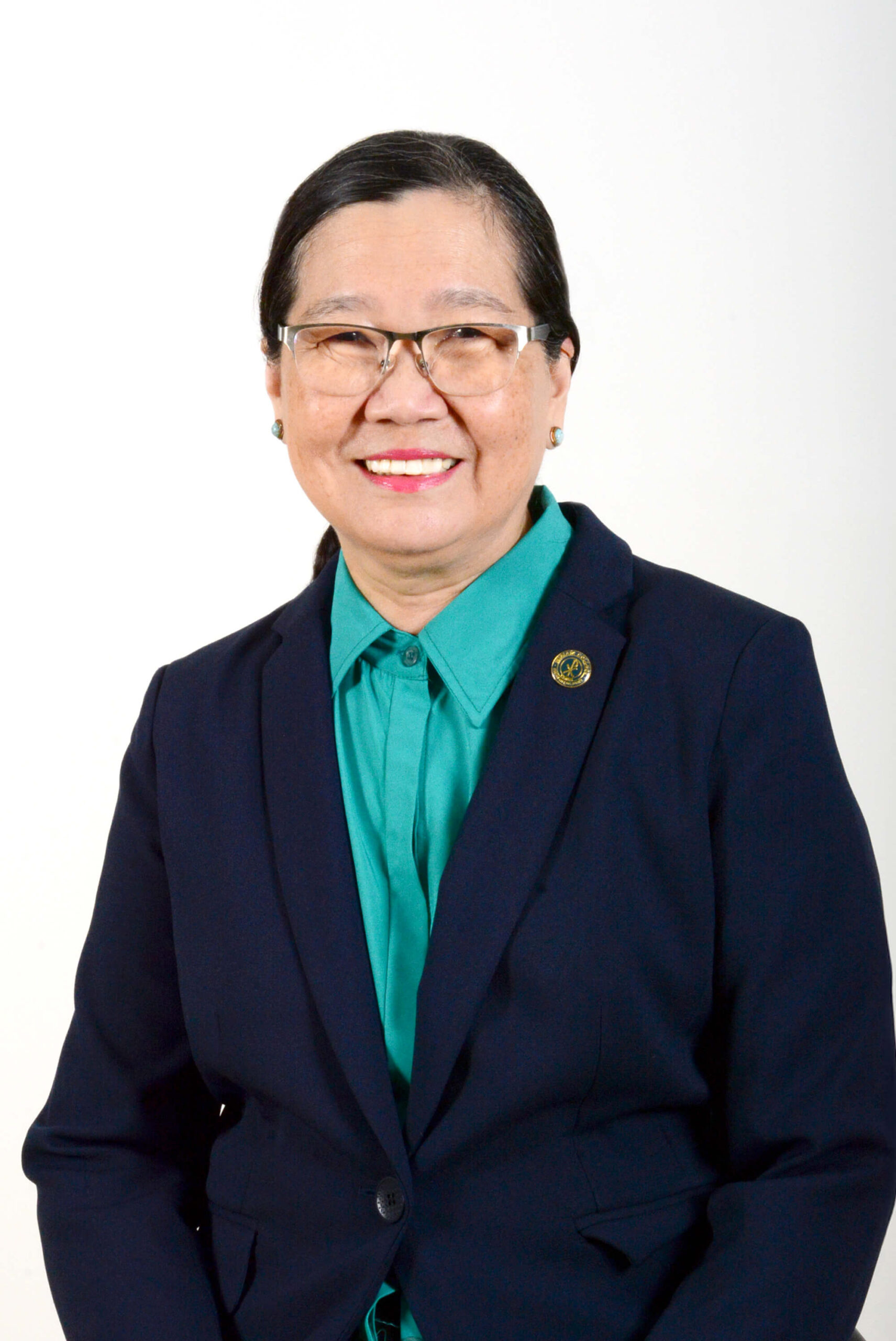
Meet the Faculty

Ma. Paz Manaligod
Faculty

Maria Lourdes Baybay
Faculty

Clarisse Ligon
Faculty
Susan Morillo
Faculty