Skip to content
Facebook Twitter Linkedin Instagram Youtube
  • Music Center
  • Advocacy & Mission
    • Maryknoll-Miriam Identity, Spirituality, and Mission Office
    • Center for Peace Education
    • Environmental Studies Institute
    • Women and Gender Institute
    • Child Rights Advocacy Center
      • Makabata Helpline
    • MC-Henry Sy Sr., Innovation Center
      • President’s Challenge
    • Integrative Lifestyle and Well-being (ILAW)
    • Growth Upgrading and Resource Office (GURO)
  • Alumni
  • Careers at MC
  • Faculty & Staff
    • Human Resource Information System
    • Performance Management System
    • MC Flexible Benefits
    • Karanasang MC
    • Marketing and Communications Office
    • Safe Spaces
  • Music Center
  • Advocacy & Mission
    • Maryknoll-Miriam Identity, Spirituality, and Mission Office
    • Center for Peace Education
    • Environmental Studies Institute
    • Women and Gender Institute
    • Child Rights Advocacy Center
      • Makabata Helpline
    • MC-Henry Sy Sr., Innovation Center
      • President’s Challenge
    • Integrative Lifestyle and Well-being (ILAW)
    • Growth Upgrading and Resource Office (GURO)
  • Alumni
  • Careers at MC
  • Faculty & Staff
    • Human Resource Information System
    • Performance Management System
    • MC Flexible Benefits
    • Karanasang MC
    • Marketing and Communications Office
    • Safe Spaces
Donate

Address

Katipunan Avenue, Loyola Heights, Quezon City

Email Us

assist@mc.edu.ph

Call Us

(+632) 8930-6272

Main Menu

  • Home
  • About MC
    • History and Heritage
    • Vision, Mission, Core Values, & Educational Quality Policy
    • School Name, Seal, and Hymn
    • Sustainable MC
    • Office of the President
      • Board of Trustees
      • President’s Council
    • Office of the Vice President for Academic Affairs
    • Accreditation & Certification
    • Affiliation & Linkages
  • Our Campuses
    • Miriam College Nuvali
    • Miriam College Alviera
  • Academics
    • Basic Education Unit
      • Preschool
      • Grade School
      • Junior High School
      • Senior High School
    • Higher Education Unit
      • Undergraduate Programs
      • Graduate Programs
    • Skills Development and Technical Education Center (SDTEC)
    • Online Distance Learning
      • Miriam College – COTEACH
    • Student Journal
  • Admissions
    • Admission Procedures
      • Basic Education
        • Preschool
        • Grade School to Senior High School
        • BEU FAQs
      • Higher Education
        • Undergraduate
        • Graduate
        • Postgraduate Certificate and Diploma Programs
        • HEU FAQs
      • SDTEC
      • MC-COTEACH
    • Scholarships
      • Basic Education Unit Scholarships
      • Higher Education Unit Scholarships
  • INTERNATIONAL
  • Student Life
    • Safe Spaces
    • Makabata Helpline
    • International Student Experience
    • Integrative Lifestyle and Well-being (ILAW)
    • Clubs and Organizations
    • Campus Facilities
    • Residence Hall
    • Career Opportunities
  • News
  • Contact Us
  • Home
  • About MC
    • History and Heritage
    • Vision, Mission, Core Values, & Educational Quality Policy
    • School Name, Seal, and Hymn
    • Sustainable MC
    • Office of the President
      • Board of Trustees
      • President’s Council
    • Office of the Vice President for Academic Affairs
    • Accreditation & Certification
    • Affiliation & Linkages
  • Our Campuses
    • Miriam College Nuvali
    • Miriam College Alviera
  • Academics
    • Basic Education Unit
      • Preschool
      • Grade School
      • Junior High School
      • Senior High School
    • Higher Education Unit
      • Undergraduate Programs
      • Graduate Programs
    • Skills Development and Technical Education Center (SDTEC)
    • Online Distance Learning
      • Miriam College – COTEACH
    • Student Journal
  • Admissions
    • Admission Procedures
      • Basic Education
        • Preschool
        • Grade School to Senior High School
        • BEU FAQs
      • Higher Education
        • Undergraduate
        • Graduate
        • Postgraduate Certificate and Diploma Programs
        • HEU FAQs
      • SDTEC
      • MC-COTEACH
    • Scholarships
      • Basic Education Unit Scholarships
      • Higher Education Unit Scholarships
  • INTERNATIONAL
  • Student Life
    • Safe Spaces
    • Makabata Helpline
    • International Student Experience
    • Integrative Lifestyle and Well-being (ILAW)
    • Clubs and Organizations
    • Campus Facilities
    • Residence Hall
    • Career Opportunities
  • News
  • Contact Us
Donate

Master of Arts in Developmental Psychology

Home » Higher Education Unit » Graduate Programs » Master of Arts in Developmental Psychology

MASTER OF ARTS IN

Developmental Psychology

The Master of Arts in Developmental Psychology (MADP) is a graduate thesis-track program specifically designed for students who aim to build careers in academia, advanced scientific research, and doctoral studies in developmental psychology. The program emphasizes the deep critique of developmental theories, advanced research methodologies, and the production of original empirical knowledge regarding human life-span development across diverse socio-cultural contexts

Apply
Inquire

Program Outcomes

Graduates of this program are expected to     

  1. Evaluate and synthesize  classical, contemporary, and emerging theoretical frameworks, historical trends, and empirical findings in human lifespan development
  2. Formulate, execute, and defend independent empirical research, packaging findings into scholarly, publication-ready formats to contribute original data to the discipline
  3. Critically analyze the impact of macro-systemic and contextual factors—such as institutional policies, family dynamics, cultural continuity, and socio-economic realities—to inform assessment protocols, well-being interventions, as well as advocacy and program evaluations
  4. Collaborate with multidisciplinary teams, academic peers, and community stakeholders to co-design, implement, and review research-driven initiatives and institutional policies that support optimal human development
  5. Apply the highest standards of professional and research ethics in accordance with national and international codes, demonstrating integrity in human participant protection, data management, and academic practice

Key Competencies Developed

By the end of the program, graduates will be able to develop the following key competencies:

  • Theoretical Critique and Analytical Synthesis: Critique classical, contemporary, and emerging human lifespan developmental theories to inform localized, context-sensitive developmental models 
  • Scholarly Communication and Dissemination: Present ethically sound, scholarly,  publication-ready research outputs that contribute significantly to the discipline
  • Assessment and Well-being Intervention Design: Apply developmental assessment tools and well-being interventions to optimize life cycle trajectories across diverse population segments
  • Reflective and Ethical Practice: Adhere to national and international ethical codes across all research operations and professional activities

Final Culminating Requirements: 

  • Comprehensive Exam: Validates the student’s high-level conceptual depth, analytical synthesis, and integrated theoretical mastery in advanced lifespan developmental science before thesis candidacy.
  • Field Practicum: Consists of 500 hours of supervised graduate field residency within academic institutions, research laboratories, policy institutes, or specialized diagnostic environments. Training experiences focus on the practical integration of lifespan developmental models, clinical-developmental assessment, and the design of targeted therapeutic interventions addressing atypical developmental trajectories. Competency is validated through systematic case formulations, diagnostic profiling, and a reflective field portfolio.
  • Thesis and Oral Defense: The definitive summative assessment of independent knowledge production, in which students must execute and orally defend an original empirical research project produced to a publication-ready standard.

*The framework also embeds an institutional expectation for graduate students to successfully pass the PRC Licensure Examination for Psychologists (RPsy).

What Will I Study?

Below are some of the topics and core courses that you will take:

Development of Psychological Thought

Prerequisite: None

Description: This course explores major developments and ideas in the history of psychology as an academic discipline. The historical progression of philosophical and empirical roots of the major systems in the field will be examined.

Advanced Statistics 1

Prerequisite: Undergraduate Psychological Statistics

Description: This is an advanced course in statistics that aims to familiarize Psychology graduate students with quantitative methods used to evaluate and analyze contemporary social science questions. The course will cover basic univariate, bivariate, and multivariate statistical procedures, with emphasis on the Analysis of Variance (ANOVA), Regression, and an introduction to Factor Analysis.

Advanced Research Methods 1 – Quantitative Research for the Behavioral Sciences

Prerequisite: Advanced Statistics 1

Description: This course provides scientific methods of psychological investigation, focusing on the techniques of problem identification, hypothesis formulation, and the construction of a research design and data gathering instrument(s). This includes a research proposal.

Advanced Research Methods 2 – Qualitative Research for the Behavioral Sciences - Optional

Prerequisite: Development of Psychological Thought

Description: A comprehensive review of qualitative research methods – the qualitative paradigm, case study, qualitative interviews, focus groups, field observation, and ethnography; the analysis of qualitative data. This course may include feminist research practices, Grounded Theory, Interpretative Phenomenology, Discursive Psychology, Narrative and Foucauldian analytical techniques, as well as the scientific practices used to elucidate and analyze qualitative data.

MC Ethics and Values

Prerequisite: None

Description: This is a one-unit course that introduces students to Miriam College’s institutional core values of truth, justice, peace, and the integrity of creation. The course deals with the process and strategies of peace education and gender-fair education as integral components of a rights and value-based approach to education for social change and development. It also seeks to increase the students’ knowledge and appreciation of their role as stewards of the environment.

Advanced Theories of Personality

Prerequisite: Undergraduate Theories of Personality 

Description: This course allows the students to explore in depth the major theoretical perspectives of personality. As a graduate course, it tackles new research findings and new developments in the field through clinical case study presentations and analyses. Covered topics include psychoanalytic theory, humanistic or existential theory, dispositional or trait theory, learning theory, and biological theory. A topic on Filipino personality will also be discussed.

Advanced Psychological Assessment I

Prerequisite: Undergraduate Psychological Statistics, Advanced Theories of Personality, Advanced Abnormal Psychology, Advanced Developmental Psychology

Description: This course provides training on psychological assessment with a focus on socio-emotional and personality domains of individuals. It also provides ethical standards in the practice of assessments and is able to think critically about the ethical dilemmas commonly faced in the practice of psychological assessment in the Philippines.

Advanced Psychological Assessment II

Prerequisite: Advanced Psychological Assessment I 

Description: This course provides training on psychological assessment with a focus on

cognitive, academic, and adaptive domains of individuals. It also provides ethical standards in the practice of assessment within a clinical setting.

Counseling Psychology and Psychotherapy

Prerequisite: Advanced Theories of Personality

Description: This course gives an overview and an in-depth study of the concepts and the application of the principles of psychotherapy. It focuses on the Western, as well as theoretical approaches appropriate for the Filipino, an understanding of the psychotherapeutic process, an application of the skills and techniques to specific situations, and a discussion on issues, as well as the latest research in counseling and clinical psychology that may affect the psychotherapeutic process.    

Advanced Abnormal Psychology

Prerequisite: Undergraduate Abnormal Psychology

Description: This course covers the different major categories of abnormal behavior, focusing on diagnosis, causation, and therapy. Current issues, research, and the clinical aspects are also examined as each type of disorder is studied, with emphasis on individual and relationship disorders. The use of the DSM-5 and ICD-11 and other tools and measures necessary for assessment and diagnosis are also given emphasis in this course.

Advanced Developmental Psychology

Prerequisite: Undergraduate Developmental Psychology

Description: This course examines advanced  and recent theories in developmental psychology. Issues such as attachment, gender identity, cognition, and emotion, using a multidisciplinary approach, will be discussed to understand the developmental changes across the life span of an individual. It likewise examines the various factors that contribute to those changes in each stage of the life cycle and the way these changes influence human behavior.

Socio-emotional and Personality Development

Prerequisite:  Undergraduate Developmental Psychology

Description: This course examines the concepts and theories in development, particularly the socio-emotional and personality aspects of human development. This includes social relationships, emotions, social behaviors, family, sexuality, moral, and spiritual development, among others. These are examined across the settings. 

Cognitive Development

Prerequisite:  Undergraduate Developmental Psychology

Description: This course examines the concepts and theories in development, particularly the physical and cognitive aspects of human development. The scientific approach to understanding these factors, including intelligence and how the physical and cognitive contribute to the changes seen across the life span, will be discussed.

Seminar in Developmental Psychology

Prerequisite:  Undergraduate Developmental Psychology

Description: This course is designed to provide students with a comprehensive analysis of a selected contemporary issue in developmental psychology.

Infancy and Childhood

Prerequisite: Advanced Developmental Psychology

Description: This course focuses on concepts and theories during infancy and childhood, including major milestones and the development of perception, which occur during these first two stages. Topics such as child rearing, reward and punishment, bullying, and gender orientation will be discussed.

Adolescence

Prerequisite: Advanced Developmental Psychology

Description: This course covers issues based on recent empirical research and practice the development of the adolescent. It also considers the gender, ethnic, and socioeconomic differences found in such development and focuses on topics such as pubertal development, teenage pregnancy, parent-adolescent relations, identity development, peer relations, the transition to adulthood, and adolescent psychopathology (suicide, depression, eating disorders).

Adulthood

Prerequisite: Advanced Developmental Psychology

Description: This course focuses on concepts and theories in normative developmental psychology associated with before adulthood (adolescence), emerging adulthood, young adulthood, and late adulthood. Topics such as physical health and aging, coping, death and dying, major theories on the development of the self, and social and career development will be discussed.

Program Development for Children and Adolescents

Prerequisite: Advanced Developmental Psychology

Description: This course focuses on developing programs for children and adolescents, including their relevance to practical settings such as schools, day care centers, and juvenile centers.

Program Development for Adults (Early to Late Adulthood)

Prerequisite: Advanced Developmental Psychology

Description: This course focuses on developing programs for the elderly, including their      relevance to practical settings such as special homes, mental institutions, school settings, and wellness centers.

Advanced Cross-Cultural Studies in Developmental Psychology

Prerequisite: Advanced Developmental Psychology

Description: The course will comprehensively review important landmarks in cross-cultural research, showing how culture impacts people and human development. It will emphasize empirical approaches to cross-cultural study and explain the importance of culture in human cognition, language, parenting, and child development. Students will gain an understanding of interconnectedness, differences, and diversity in a global society. This course will also examine sociocultural variation in children’s development and its implications for working with children and families in educational and other applied settings.

Developmental Psychopathology (Children and Adolescents)

Prerequisites: Advanced Developmental Psychology and Advanced Abnormal Psychology

Description: This course aims to equip students with the theoretical and clinical knowledge to understand developmental disorders from a holistic perspective that highlights the dynamic interplay of psychobiological and contextual forces. It begins with a review of theory and relevant scientific research regarding the complex interactions among multiple factors that underlie healthy development and atypical functioning. Vulnerabilities and risk factors for psychopathology will be explored with an emphasis on early brain development and how the child’s caregiving relationships impact the developing brain and the child’s developmental trajectory. The second half of the semester will focus on studying the major types of developmental psychopathologies in children and adolescents.  Students will also be introduced to current approaches in developmental assessment and intervention.

Technical Writing in Psychology

Prerequisite: None

Description: The course aims to increase competency in written communication necessary for practice in the field of Psychology. The first part of the course is an intensive skills-building on syntax construction for academic papers (e.g., grammar, organization, etc.). The second part is an intensive competency building on technical writing using the latest APA standards and technical reading of journal articles in Psychology.

Special Topics in Psychology

Prerequisite: Development of Psychological Thought

Description: This course is designed to provide students with a comprehensive analysis of a selected contemporary issue in psychology.

Advanced Health Psychology

Prerequisite: Advanced Developmental Psychology

Description: This course introduces the students to the various theoretical perspectives of health psychology, which attempt to examine the complex interactions of behavior, emotions, attitudes, traits, social norms, and human physiology in disease prevention and health promotion.  Application of psychological theory and research to specific health issues is also provided.

Advanced Positive Psychology

Prerequisite: Development of Psychological Thought

Description: This course dwells on the scientific study related to heartfelt positivity and human flourishing.  It focuses on the positive, the adaptive, the creative, and the emotionally fulfilling characteristics of optimally functioning human individuals, groups, and institutions, based on the character strengths and virtues identified in positive psychology.  As an advanced course in positive psychology, this subject highlights recent research findings and theoretical advances in the field, especially its role in the promotion of human flourishing in work, health, education, and everyday life.
Marriage and Family Therapy

Prerequisite: Counseling Psychology and Psychotherapy

Description: This course introduces the student to the historical roots of family therapy, common elements in family therapy, and different schools of thought in family therapy. It includes an overview and assessment of various theoretical approaches to marriage and family therapy.

Group Psychotherapy

Prerequisite: Counseling Psychology and Psychotherapy

Description: This course introduces the student to the different theories of group processes, assists and trains students in applying group theory through practice, provides      an experience of group therapy from the perspective of a member, and learns the importance of      participation in the group process.

Play Therapy

Prerequisite: Counseling Psychology and Psychotherapy

Description: This course offers an overview of the essential elements and principles of play therapy, including a review of the history of play therapy and the profession, the role of the play therapist in a variety of settings, the stages of the play therapy relationship, problems of children coming for therapy, and the development of play therapy skills and theories associated with play therapy, including child-centered play therapy.

Therapeutic Intervention for Children and Adolescents

Prerequisite: Advanced Developmental Psychology

Description: This course will cover issues on children and adolescent psychotherapeutic intervention, particularly for cases commonly seen in children and adolescents, such as depression, eating disorders, and personality disorders. Discussions will be anchored on theories previously discussed in developmental psychology, psychotherapy, and adolescent psychology.

Trauma Assessment and Recovery

Prerequisite: Counseling Psychology and Psychotherapy

Description: The course aims to equip students to assess if someone is traumatized. It also discusses the effect of trauma on the person’s life, the different forms it takes, and how it changes through time. Trauma prevention, the process of recovery, and the ways to equip oneself with knowledge to facilitate recovery will also be discussed.

Sikolohiyang Pilipino

Prerequisite: Development of Psychological Thought

Description: This course includes a study of the development perspective and directions of Filipino psychology with emphasis on contemporary views or issues and indigenous methods and application of research. Interrelated aspects of Philippine culture, such as Filipino personality, Filipino family, dominant and popular culture, and socio-economic and political structures, are examined. This course focuses mainly on the application of indigenous research methods.

Biology of Aging

Prerequisite: Advanced Developmental Psychology

Description: This course presents a basic understanding of how the human body ages from a      biological standpoint. The student will gain an understanding of biological and physiological changes associated with aging in various organ systems. Discussions of potential intervention strategies and ways to manage common illnesses and extend the quality of life during aging will be presented.

Spirituality of Midlife and Aging

Prerequisite: Advanced Developmental Psychology

Description: The course examines the different approaches to the study of spirituality and aging. Using psychological and theological resources, it seeks to provide explanations and guidelines to traverse the late adult transition more proactively and with equanimity.  For those married, it will explore the dynamics of mid-life and older marriages.  For the single and religious, it confronts the emerging challenges of life at this age.

Foundations of Expressive Arts in Mental Health

Prerequisite: Advanced Developmental Psychology

Description: This course is an introduction to the use of expressive or creative arts, with a focus on the visual arts modalities, in psychosocial interventions. It provides the fundamentals of the key elements, theoretical bases, and applications of expressive or creative arts in mental health practices.

Comprehensive Exams

Prerequisite: Academic work should have been completed

Description: This is the culmination of the coursework. It covers courses in core and methods, the psychologist board exam, areas of advanced developmental psychology, and cognates.

Field Practicum

Prerequisite: Comprehensive examinations should have been passed.

Description: The practicum requires a minimum of 500 hours. It may involve the conduct of applied research or diagnosis, development and implementation of interventions or treatments, the development of materials or systems, or the evaluation of a program. A report needs to be submitted for completion of the practicum.

Thesis Writing

Prerequisites: Comprehensive Examinations and      Field Practicum hours should have been completed.

Description: This is Part I of the culmination of the degree program. This includes writing and defending the research proposal.

Oral Defense of Thesis

Prerequisite: PY 230-1 Thesis Writing

Description: This is Part II of the culmination of the degree program. This includes data gathering, writing, and oral defense of the research. The final output illustrates the students’ mastery of research skills in contributing to knowledge in Psychology. It also reflects the students’ ability to conduct research and write the research report in a scholarly manner worthy of publication.

Total Program Units: 37units


Accreditation

This program has Level IV accreditation from the Philippine Accrediting Association of Schools, Colleges, and Universities (PAASCU). More Information >

The following Sustainable Development Goals (SDGs) are addressed by this program:

Potential Careers

Graduates of this program may pursue the following careers:

  • University Psychology Professor
  • Social Policy Consultant/Analyst

Licensed Psychologist & Psychotherapist

  • Clinical Family Psychologist/Child & Adolescent Psychologist
  • Marriage & Family Therapist
  • Developmental Guidance Specialist
  • Developmental Scientist/Lead Researcher
  • Developmental Assessment & Well Being Specialist

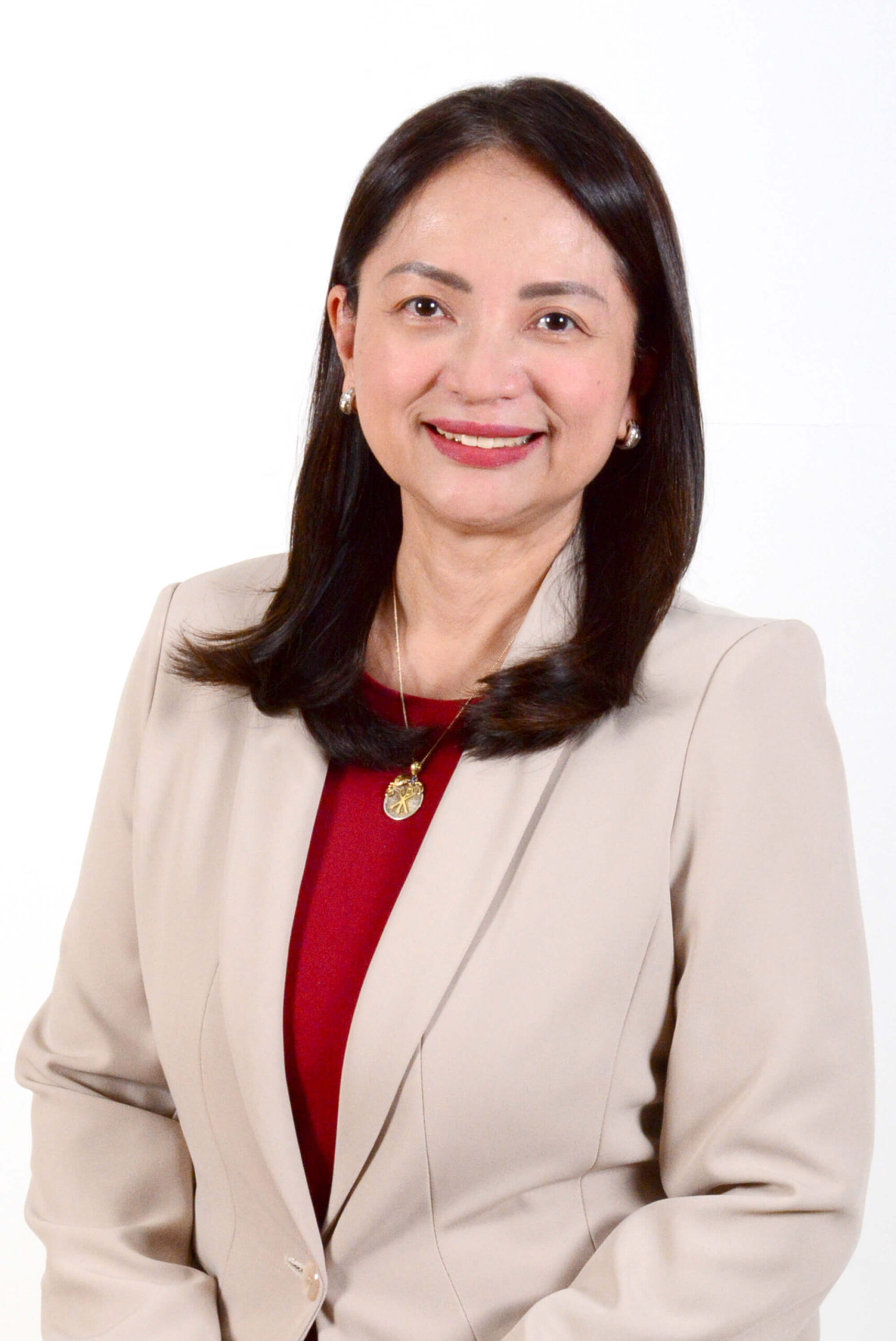
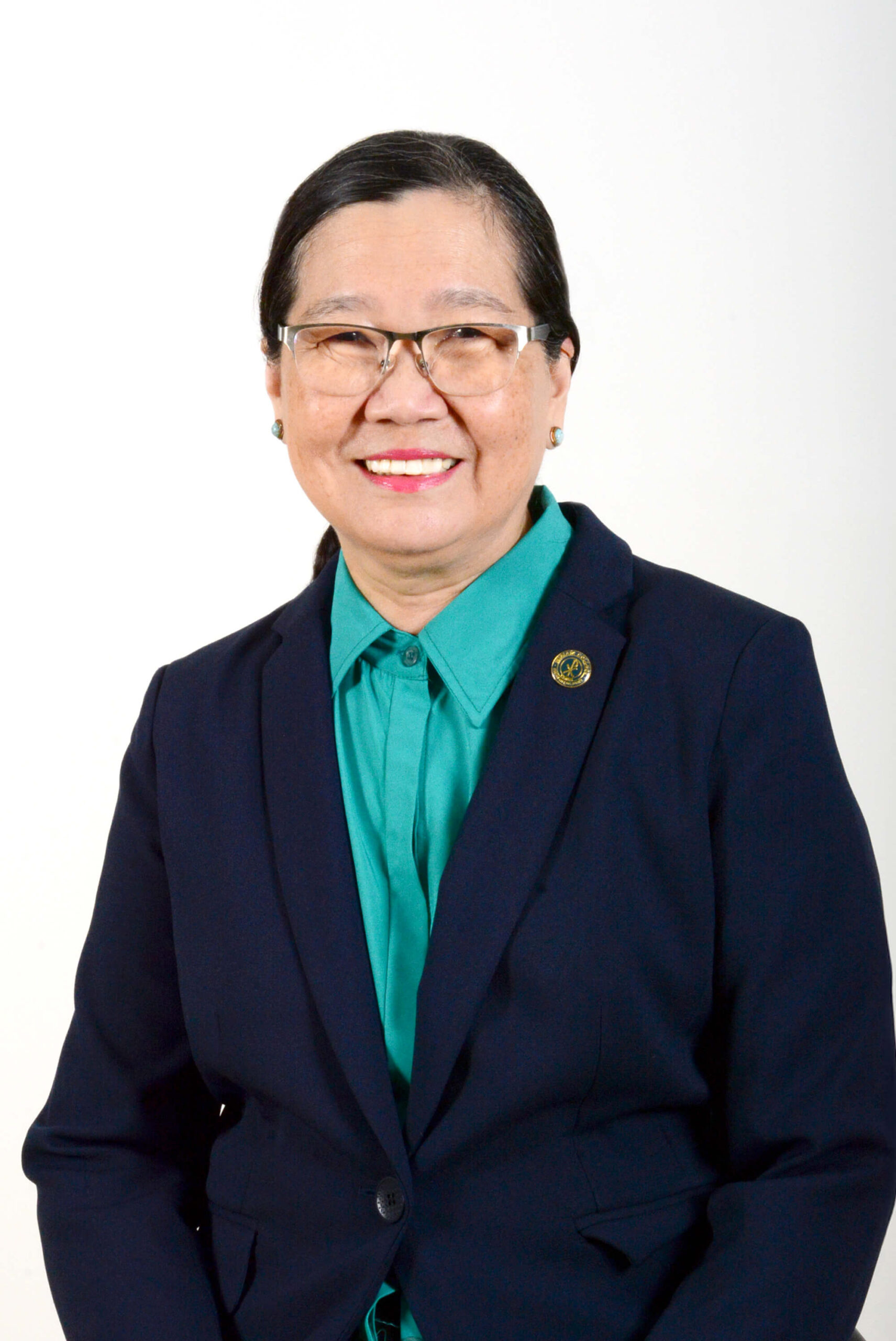
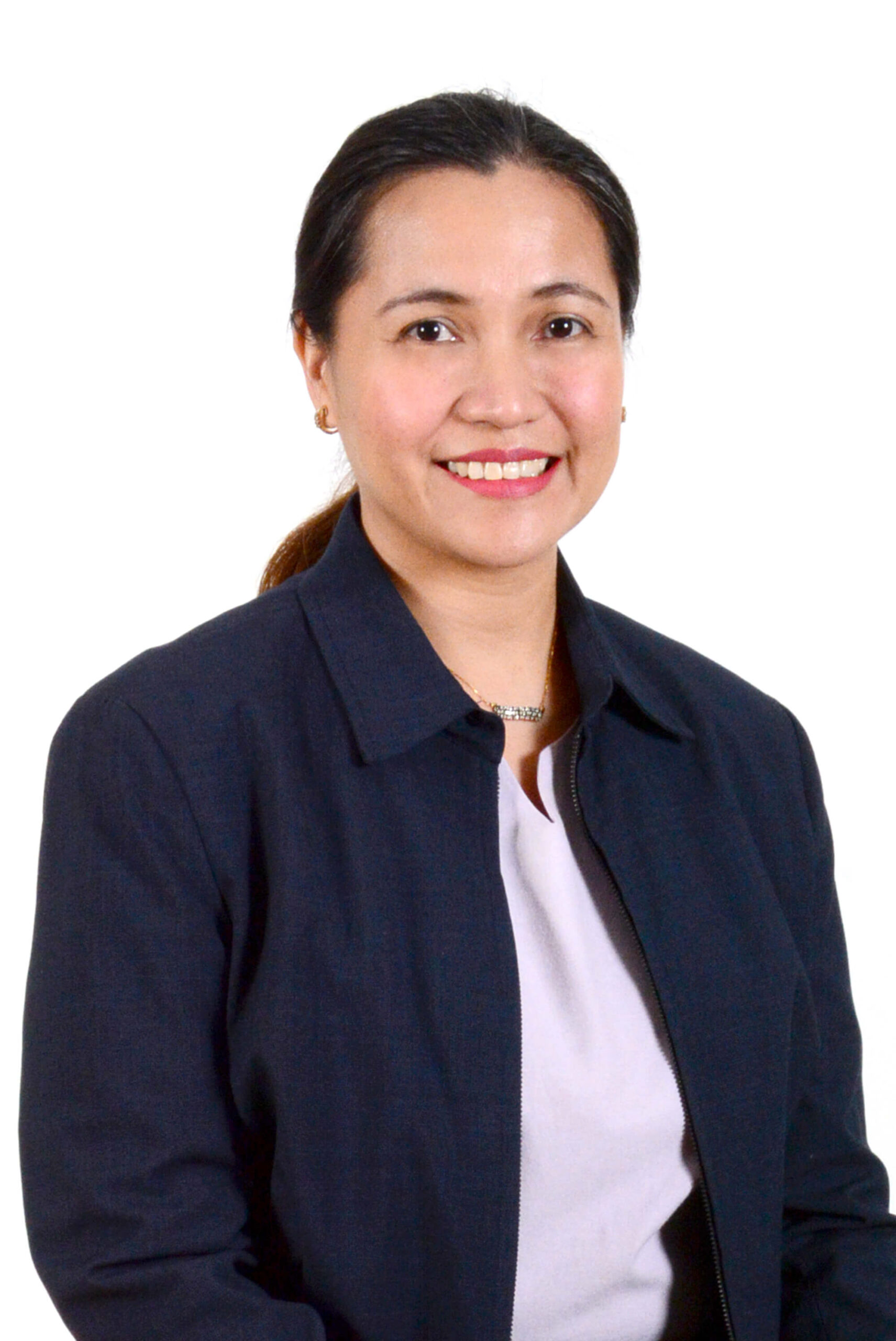
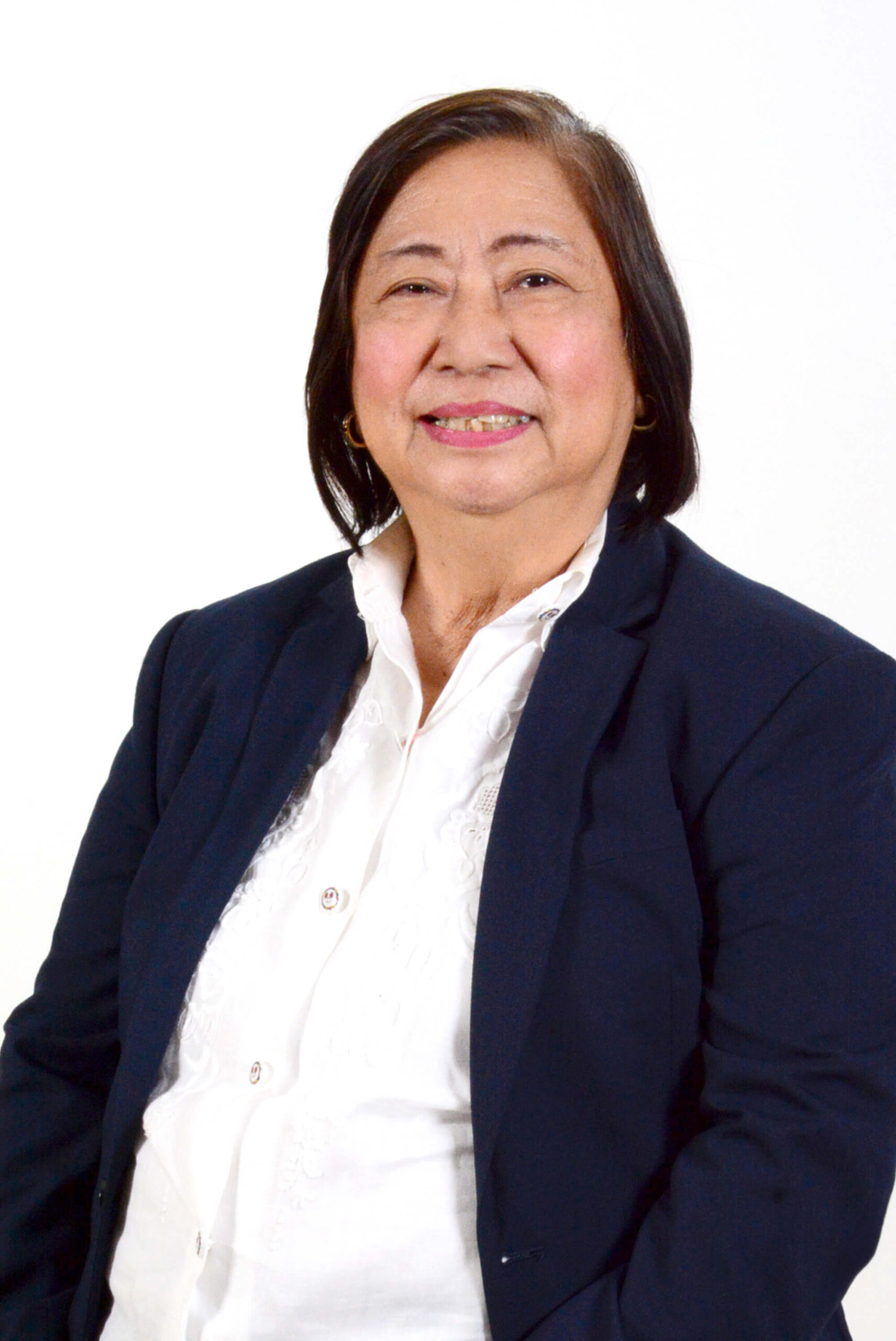
Meet the Faculty

placeholder

Kristine Faith Moral

Faculty
placeholder

Lissa Antoinette Mendoza

Faculty
placeholder

Melissa Paulita Mariano

Faculty
RMC_1745_MANALIGOD, Ma. Paz--

Ma. Paz Manaligod

Faculty
RMC_1669_JURISPRUDENCIA, Jerry--

Jerry Jurisprudencia

Faculty
RMC_2071_GALANG, Gail

Gail Galang

Faculty
placeholder

Olivia Carandang

Faculty
RMC_1628_BAYBAY, Ma. Lourdes--

Maria Lourdes Baybay

Faculty
placeholder

Michele Alignay

Faculty
RMC_2648_BRILLANTES-EVANGELISTA, Grace--

Grace Brillantes-Evangelista

Faculty
RMC_2017_APUAN, Victoria--

Victoria Narciso Apuan

Faculty
placeholder

Rheo M. Paguibitan

Faculty
RMC_1837_MATIAS, Celeste--

Celeste Joy O. Matias

Faculty
placeholder

Cristina Nieves Aligada Halal

Faculty
placeholder

Kornellie L. Raquitico

Faculty
RMC_2007_GASIS, Janet--

Janet S. Gasis

Faculty
placeholder

Ma. Melissa Lamug

Faculty
placeholder

Monica Walet

Faculty
placeholder

Johann Andrew Sagmit

Faculty
RMC_3095_MOTILLA, Ronaldo--

Ronaldo Motilla

Faculty

CURRICULUM SUMMARY


MC Required Course

1

MSAA 6000 Miriam Spirituality and Advocacy (1 unit)

Core Courses

6

MPSY 6001 Advanced Statistics and Data Modeling (3 units)

MPSY 6002 Advanced Research Methods in Psychology (3 units)

Major / Specialization Courses

12

MPSY 7301 Life Span Developmental Science  (3 units)

MPSY 7302 Infancy & Childhood Development (3 units)

MPSY 7303 Adolescence & Adulthood Development (3 units)

MPSY 7304 Developmental Psychopathology (3 units)

Required Courses for Licensure Examination

12

MPSY 7001 Advanced Theories of Personality (3 units)

MPSY 7002 Advanced Abnormal Psychology (3 units)

MPSY 7003 Advanced Psychological Assessment ( 3 units)

MPSY 7004 Counseling Psychology and Psychotherapy (3 units)

Elective Courses (optional courses)

–

MPSY 7501 Special Topics in Culture and Crisis (3 units)

MPDP 7501 Cognitive and Socioemotional Trajectories in Youth (3 units)

MPDP 7502 Gerontological Development and Lifecourse Systems (3 units)

MPDP 7503 Foundations of Expressive Arts in Mental Health  (3 units)

Comprehensive Examination

0

MPSY 7900 Comprehensive Exams

Internship/Field Practicum

3

MPDP 7801 Field Practicum (3 units)

Culminating Requirement

3

MPDP 7999 Thesis Writing and Defense (3 units)

Total Number of Units

37

MIRIAM COLLEGE

  • Katipunan Avenue, Loyola Heights,
    Quezon City 1108 Philippines
  • assist@mc.edu.ph
  • (+632) 8930-6272

INFORMATION

  • Office of the President
  • Alumni
  • Academics
  • Admissions
  • Registrar
  • Careers at MC
  • News
  • Directory

STUDENT SERVICES

  • MCGS Library Media Center
  • MCHS Library Media Center
  • HEU Library Media Center
  • HEU Guidance and Counseling Office

FOLLOW US

  • Facebook
  • Twitter
  • LinkedIn
  • Instagram
  • Youtube
  • TikTok

SEND US A MESSAGE

"*" indicates required fields

This field is for validation purposes and should be left unchanged.

a

  • Copyright 2025 by Miriam College
  • Privacy Statement
Website by Web Design Philippines
MC_Logo_SEAL FA trans-blue

MIRIAM COLLEGE

MAIN MENU

  • Home
  • About MC
    • History and Heritage
    • Vision, Mission, Core Values, & Educational Quality Policy
    • School Name, Seal, and Hymn
    • Sustainable MC
    • Office of the President
      • Board of Trustees
      • President’s Council
    • Office of the Vice President for Academic Affairs
    • Accreditation & Certification
    • Affiliation & Linkages
  • Our Campuses
    • Miriam College Nuvali
    • Miriam College Alviera
  • Academics
    • Basic Education Unit
      • Preschool
      • Grade School
      • Junior High School
      • Senior High School
    • Higher Education Unit
      • Undergraduate Programs
      • Graduate Programs
    • Skills Development and Technical Education Center (SDTEC)
    • Online Distance Learning
      • Miriam College – COTEACH
    • Student Journal
  • Admissions
    • Admission Procedures
      • Basic Education
        • Preschool
        • Grade School to Senior High School
        • BEU FAQs
      • Higher Education
        • Undergraduate
        • Graduate
        • Postgraduate Certificate and Diploma Programs
        • HEU FAQs
      • SDTEC
      • MC-COTEACH
    • Scholarships
      • Basic Education Unit Scholarships
      • Higher Education Unit Scholarships
  • INTERNATIONAL
  • Student Life
    • Safe Spaces
    • Makabata Helpline
    • International Student Experience
    • Integrative Lifestyle and Well-being (ILAW)
    • Clubs and Organizations
    • Campus Facilities
    • Residence Hall
    • Career Opportunities
  • News
  • Contact Us
Donate

Follow us

Facebook Twitter Linkedin Instagram Youtube

Quick links

  • Music Center
  • Advocacy & Mission
    • Maryknoll-Miriam Identity, Spirituality, and Mission Office
    • Center for Peace Education
    • Environmental Studies Institute
    • Women and Gender Institute
    • Child Rights Advocacy Center
      • Makabata Helpline
    • MC-Henry Sy Sr., Innovation Center
      • President’s Challenge
    • Integrative Lifestyle and Well-being (ILAW)
    • Growth Upgrading and Resource Office (GURO)
  • Alumni
  • Careers at MC
  • Faculty & Staff
    • Human Resource Information System
    • Performance Management System
    • MC Flexible Benefits
    • Karanasang MC
    • Marketing and Communications Office
    • Safe Spaces

Apply Now

Miriam College Loyola Heights

Quezon City, NCR

  • Preschool to Senior High School
  • Undergraduate
  • Graduate
  • Postgraduate Certificate / Dimploma Programs
  • SDTEC
  • MC Co Teach
Contact Us