BACHELOR OF SCIENCE IN
Sustainability and Environment

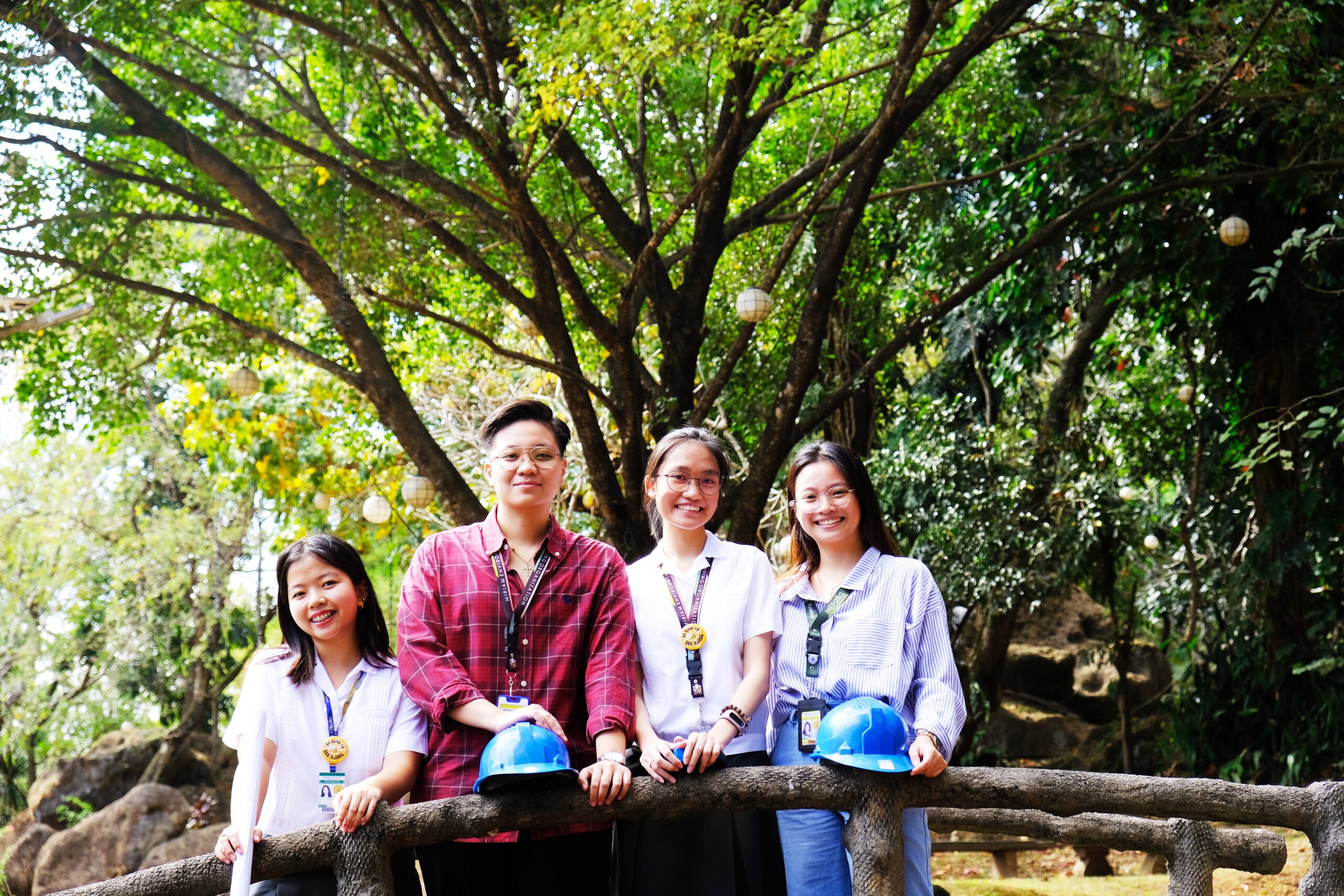
The Bachelor of Science in Sustainability and Environment is focused on preserving the balance between human development and the environment and is very challenging. Future proofing will require everyone to work on sustainable solutions to issues including increasing biodiversity loss, environmental degradation, urbanization, and climate change.
Sustainability impacts all aspects of global business, politics, economics, and society, creating a need for leaders who have the skills and knowledge to address issues such as climate change, reliance on traditional energy sources, water issues, and the demand for socially and environmentally responsible products and services, and who are stewards of environmental sustainability and protection.
The Bachelor of Science in Sustainability and Environment is a contemporary and multidisciplinary degree, covering ecological and social research, allowing students to address the complex issues and challenges of sustainability by giving a broader education in natural and built environment, citizen science, and social sciences.
This course aims to connect and integrate perspectives from the natural and social sciences and their impacts on the community with their applications in the students’ chosen major and minor.
Program Outcomes

By the end of the program, graduates will be able to:
- PO1 – critically evaluate the biophysical aspects of current environmental problems;
- PO2 – apply quantitative methods to analyze and propose solutions to environmental issues and challenges, foremost among them is climate change;
- PO3 – integrate the perspectives of multiple disciplines in proposing sustainable solutions;
- PO4 show awareness, understanding, and appreciation of professional, social, and ethical responsibility of a sustainability expert;
- PO5 – demonstrate knowledge pertaining to sound environmental stewardship , sustainable environmental design, sustainable development, conservation, and management;
- PO6 – conduct research in the areas of sustainability and the environment;
- PO7 – assist collaborate, co-prepare, and implement sustainability plans for the natural and built environments;
- PO8 – a nalyze sustainability and environmental issues and problems in the community, local, regional, and global contexts and possess adequate knowledge of the history and theories of environmental sustainability; and
- PO9 – practice professionally with utmost integrity, fairness, respecting diversity, equity, and inclusion, likewise upholding the values of MC environmental education and adhering to its vision and mission.
Key Competencies Developed
The key competencies in BS Sustainability and Environment are essential for students to develop and implement solutions to real-world sustainability problems. These competencies include the following:
- systems-thinking
- futures-thinking
- Values-thinking and
- strategies-thinking.
These enable crafting sustainability action plans that yield sustainability outcomes if successfully implemented.
As the graduates will become future environmental planners, other competencies should include the ability to do the following:
- analyze and resolve environmental problems;
- critique and formulate environmental and planning policies; and
- adapt to evolving technology.
Assessment of these competencies can be done through formative assessments that measure students’ competencies for sustainability and environment. These assessments should be structured and validated across disciplines to ensure comprehensive evaluation.
These competencies can be assessed through the yearly progression of learning in a variety of methods, including the following:
Assessment Method | Year L evel | |||
1st | 2nd | 3rd | 4th | |
Coursework | / | / | / | / |
Research | / | / | / | / |
Case Studies | / | / | ||
Immersion | / | / | / | / |
Summative exams | / | / | / | / |
Experiments | / | / | / | |
Surveys and testing (soil, water, air, etc.) | / | / | / | / |
Topic discussion by students in class | / | / | / | / |
Internship | / | / | ||
Group projects | / | / | / | / |
Mini- workshops | / | / | / | |
Site analysis through site visits | / | / | ||
Community-basedproject | / | / | ||
Capstone project | / | |||
Potential Careers

Graduates of this program may venture on the following careers:
Public Sector
- Environmental Policy Analyst:
Develops and analyzes environmental policies and regulations to ensure they align with environmental goals and objectives.
- Environmental Scientist:
Conducts research to assess environmental conditions, identify pollution sources, and develop solutions to environmental problems.
- Sustainability Manager:
Oversees and directs sustainability initiatives within government agencies, ensuring they operate in an environmentally responsible manner.
- Environmental Educator:
Develops and delivers educational programs to raise public awareness about environmental issues and promote sustainable practices.
Private Sector
- Sustainability Consultant:
Provides consulting services to businesses and organizations on sustainable practices, including energy efficiency, waste reduction, and resource conservation.
- Environmental Engineer:
Designs and implements solutions to environmental problems, such as pollution control and waste management systems.
- Sustainability Project Manager:
Manages sustainability projects, ensuring they are completed on time, within budget, and to the required standards.
- Sustainability Coordinator:
Oversees and coordinates sustainability initiatives within businesses and organizations, implementing policies and practices that reduce environmental impact.
- Environmental Compliance Officer:
Ensures that businesses and organizations comply with environmental laws and regulations.
CURRICULUM SUMMARY
| Courses | Units |
| General Education Courses | 27 |
| |
| General Education Elective Courses | 9 |
| |
| National Service Training Program | 6 |
| |
| Physical Activity Towards Health and Fitness Courses | 8 |
| |
| MC Required Courses | 6 |
| |
| Core Courses | 19 |
| |
| Professional Courses | 70 |
| |
| Elective Courses | 16 |
| |
| Capstone Course/Thesis/Dissertation | 6 |
● BSSE-23 Capstone 1- Research on Community-Based Projects on Sustainability ● BSSE 28 Capstone Project 2 (Project Implementation and Evaluation) | |
| Practicum | 4 |
| ● BSSE-22 Practicum (Individual) | |
| Total Number of Units | 171 |
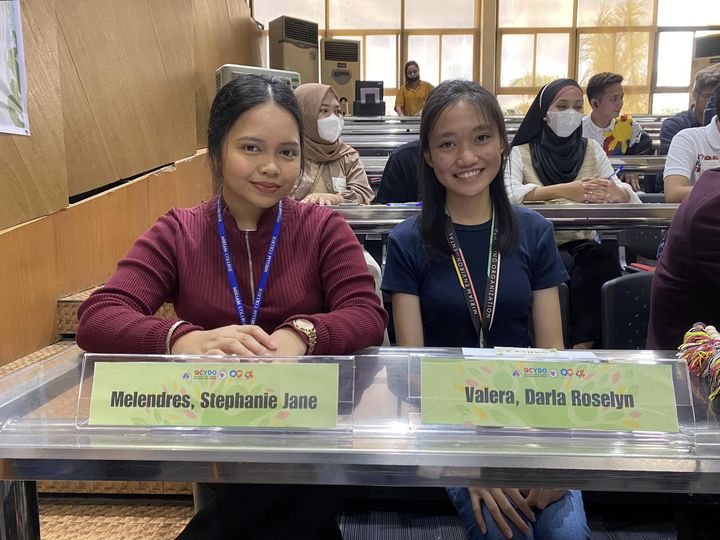
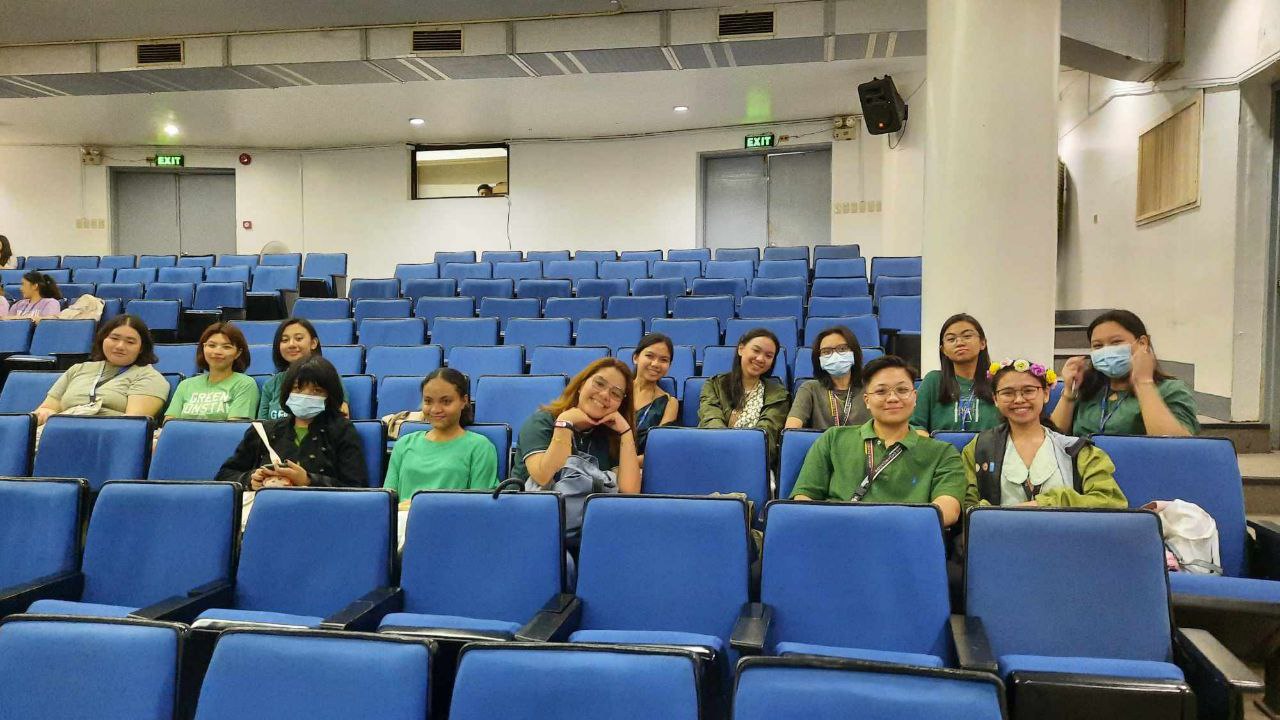
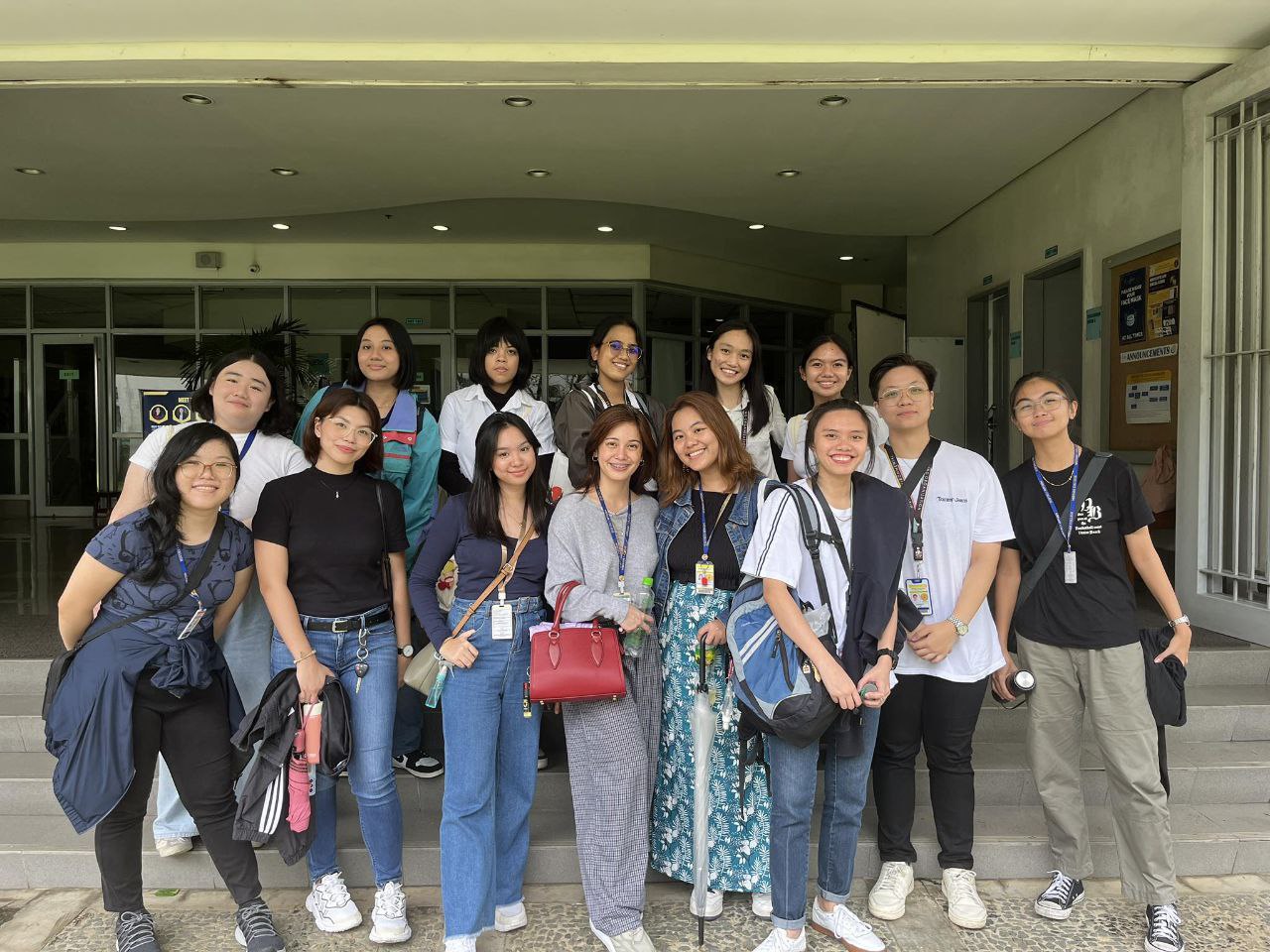
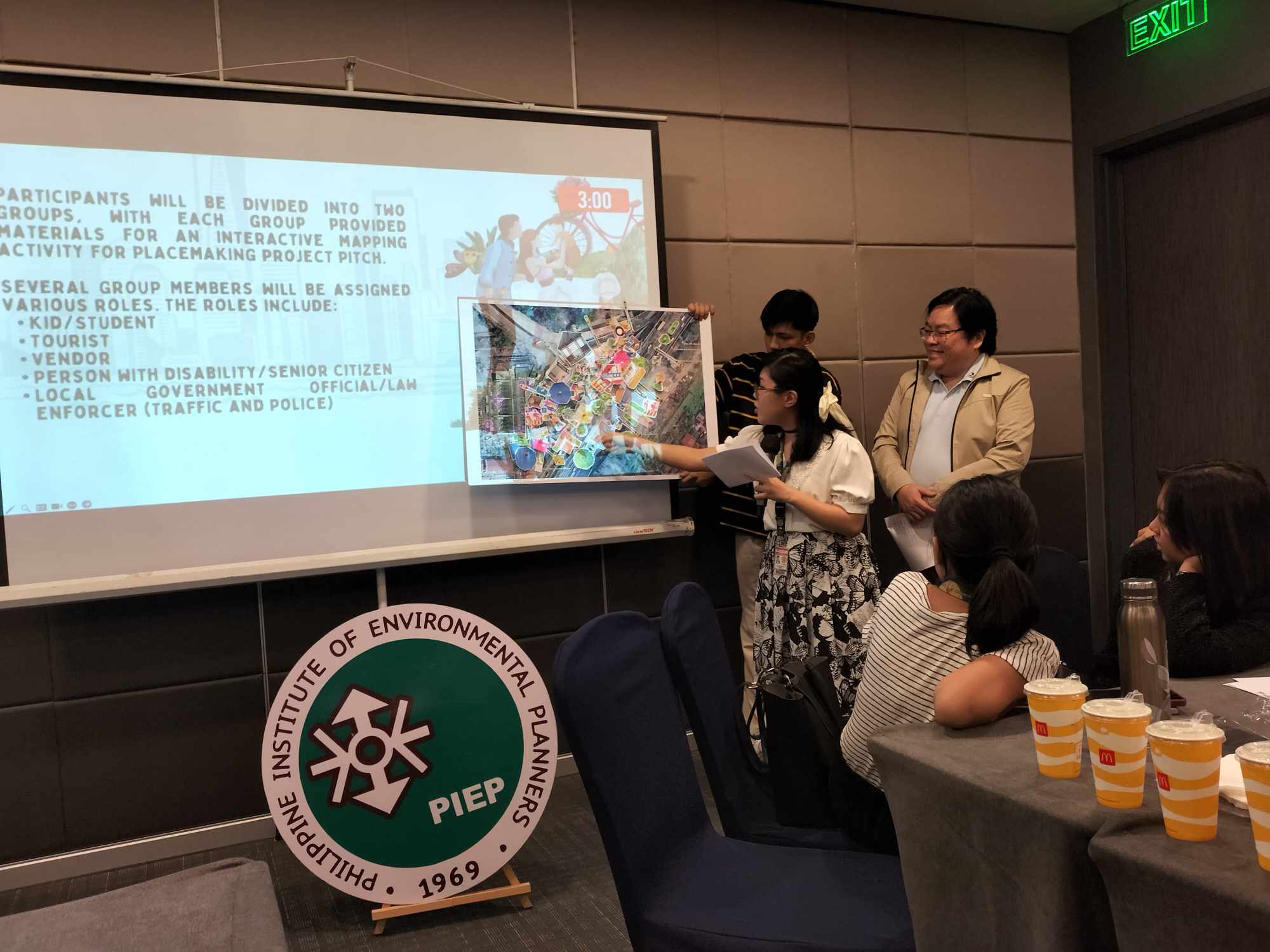
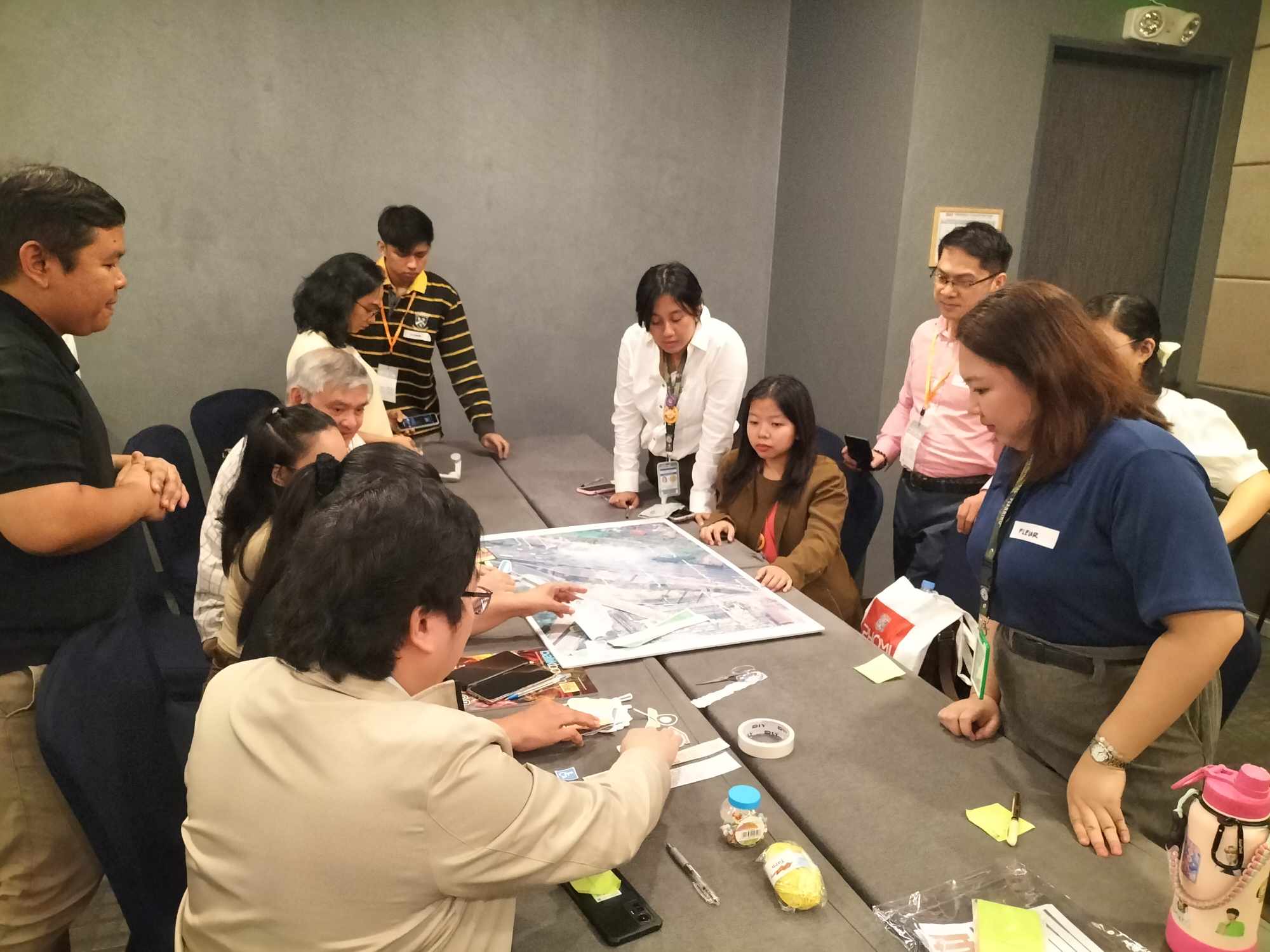
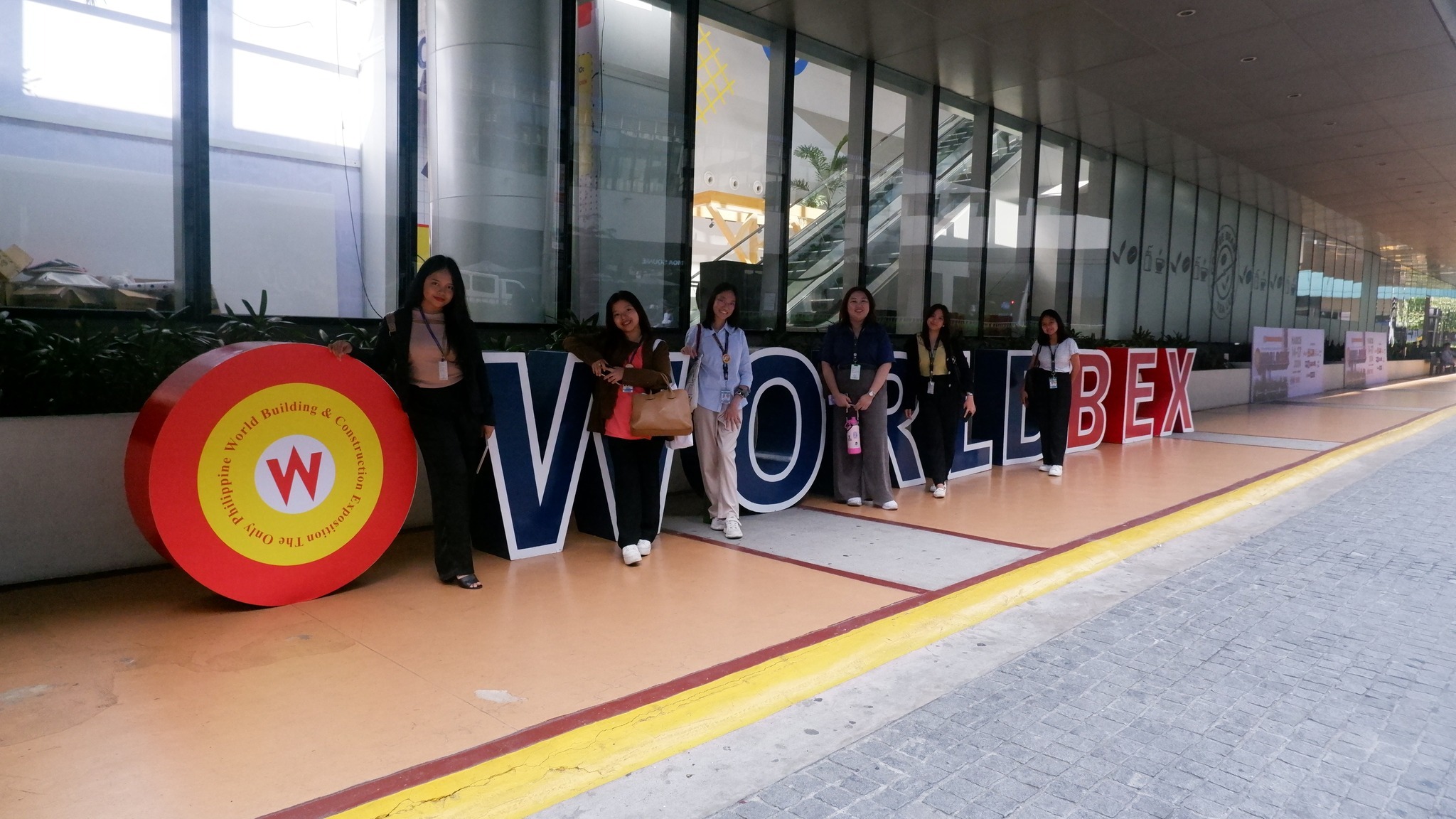
Activities
Meet the Faculty

Leah P. Dela Rosa, Ph.D
Professiorial Lecturer
Ph.D. in Environmental Studies, Miriam College
Masters in Community Architecture, University of the Philippines Diliman
Site and Land Use Planning / Sustainability Studies
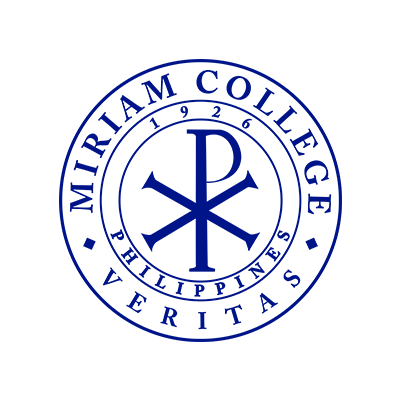
Sylvia D. Clemente, EnP
Sr. Lecturer
MS in Urban Planning, Columbia University, N.Y., USA
Urban and Regional Planning/Environmental Planning, Land Use Planning, Urban Design, Mapping/GIS
Annabelle A. Dalangin, MBio
Master of Biology, Ateneo De Manila University
General Science, Biology
Sarah E. Fortez
Sr. Lecturer
Master of Arts in Urban & Regional Planning,
Casanova, Lilia

Jeanette Isabelle V. Loanzon, Ph.D.
Professorial Lecturer
Ph.D. in Economics, Philipps Universitat-Marburg, Germany
MBA and Masters in Economics Education, University of Asia and the Pacific (UA&P)
International Economic Relations and Humanitarian Issues, International Business and Trade, Principles of Economics
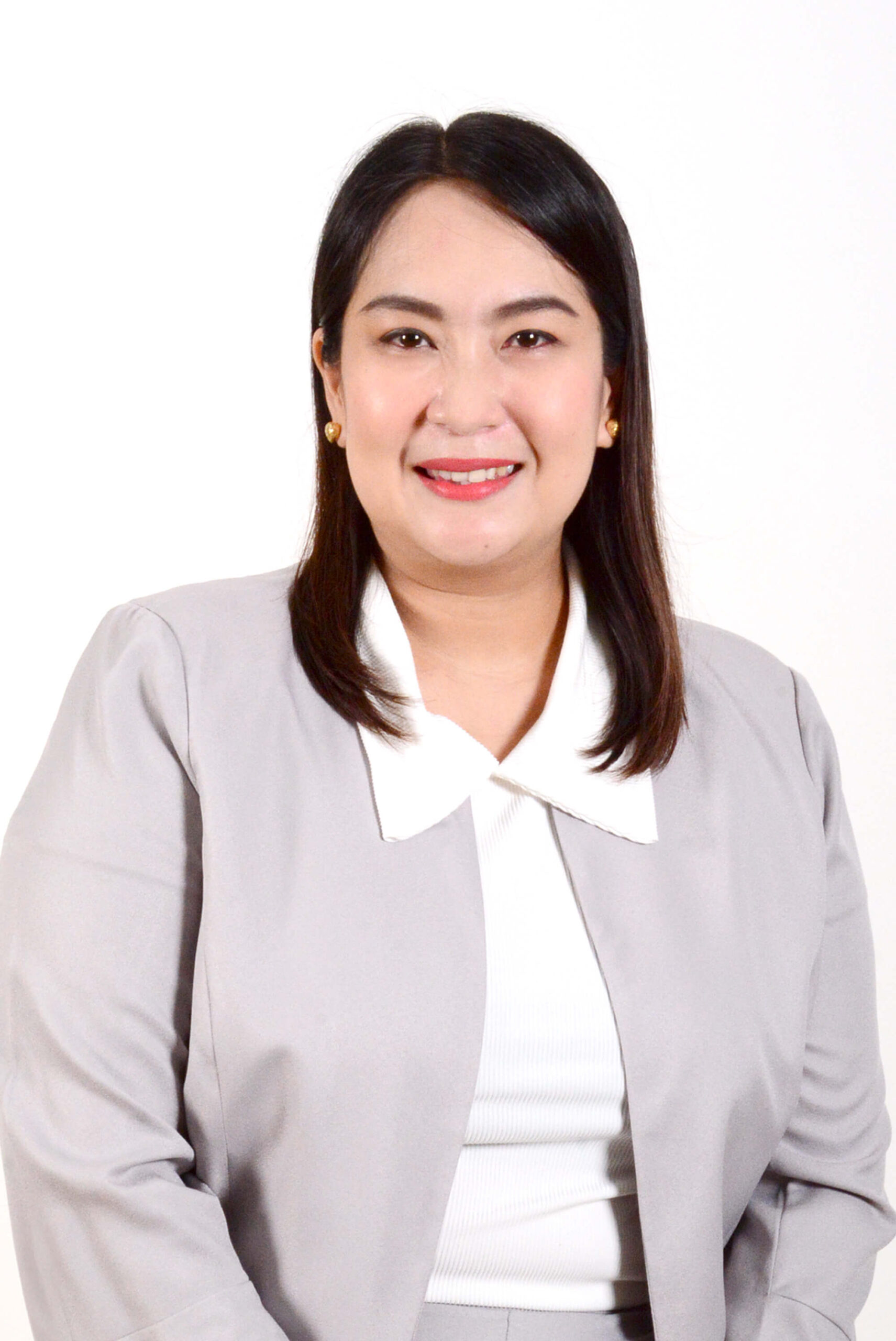
Kristine Ann M. Luna, Ph.D
Professorial Lecturer
Ph.D in Environmental Studies, Miriam College
MS in Environmental Science and Ecosystem Management, De La Salle Manila
Environmental Impact Assessment, Environmental Planning/Urban Planning, Water Quality Studies,
Project Management, Social Studies, Gender and Development Studies, Right-of-Way Action Plan Studies,
Aquatic Ecology Studies
Jerome L. Montemayor, Ph.D
Professorial Lecturer
Ph.D in Environmental Studies, Miriam College
MS in Environmental Studies, Miriam College
Peatlands Ecosystem, Wetlands Ecosystem, Mangrove Ecosystem, Landscape Governance, Protected Area Management
Local Conservation Area Management, OECMs (Other Effective Area-Based Management Strategies),
Natural Resources Management, Climate Change Adaptation and Mitigation, Renewable Energy, Disaster Risk Reduction
and Management, Environmental Education, Communication, Capacity Building, Education, Participation and Awareness
(CEPA), Youth Engagement, Ecotourism, Conservation Finance,Resource Mobilization, Biodiversity-Friendly Enterprises
Honorio T. Palarca
Sr. Lecturer
Master in Tropical Landscape Architecture, University of the Philippines Diliman
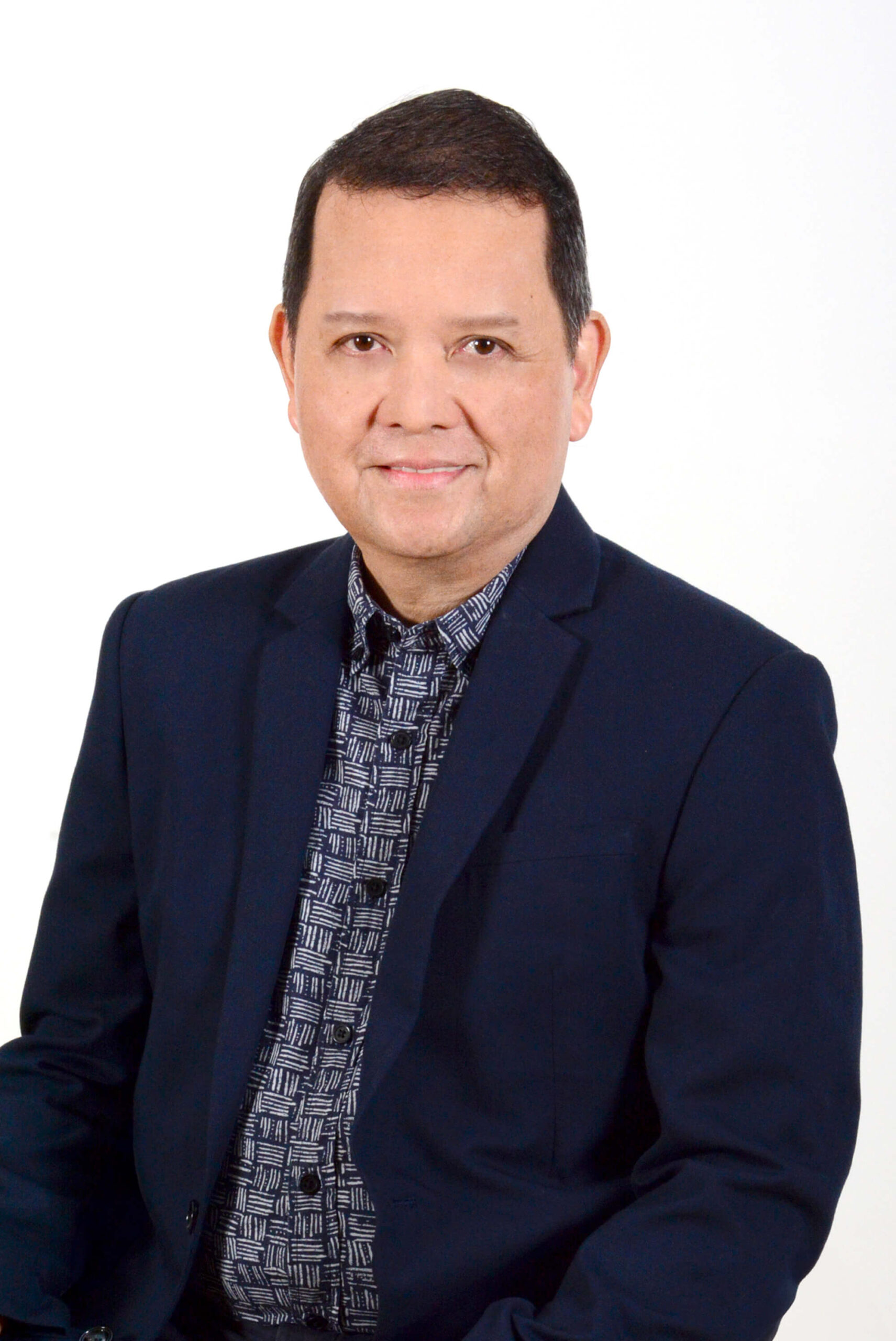
Phares P. Parayno, Ph.D
Professor
Ph.D in Energy Management and Environment Policy, University of Pennsylvania
MS in Industrial Engineering and Management, Asian Institute of Technology Bangkok Thailand
System Dynamics Modeling, Data Analytics Using Tableau and R., Machine Learning, Systems Thinking
Gabino E. Santos, MBio
Sr. Lecturer
MS in Biology, Pampanga State Agricultural University
Certificate in Professional Teaching, Don Honorio Ventura State University
Microbiology, Secondary-Biological Science
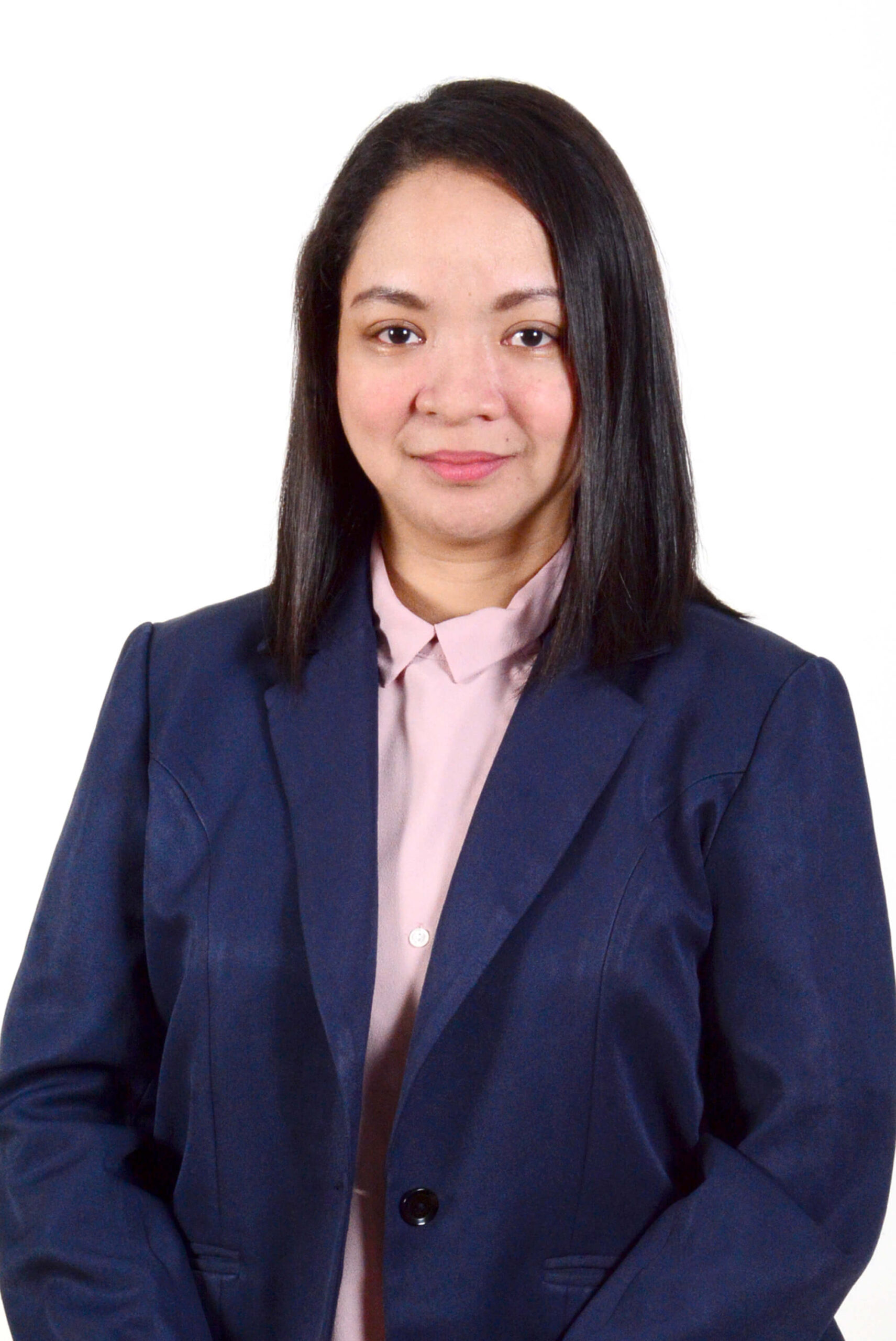
Kristine April S. Suin, Ph.D.
Professorial Lecturer
Ph.D Economics, University of Santo Tomas
MBA, University of Santo Tomas
Theories of Political Economy, International Political Economy
Donna P. Reyes, Ph.D
Professor
PhD in Environmental Studies, Royal Melbourne Institute of Technology University, Australia
MBA, Ateneo Graduate School of Business, Horacio de la Costa St. Makati City
Ecology and Ecosystems, Zoology, Biology, Natural Resources Conservation and Management, Ecotourism, Protected
Area Management, Environmental Education, Environmental Values, Project Management, Environmental Studies,
Environmental Planning and Management